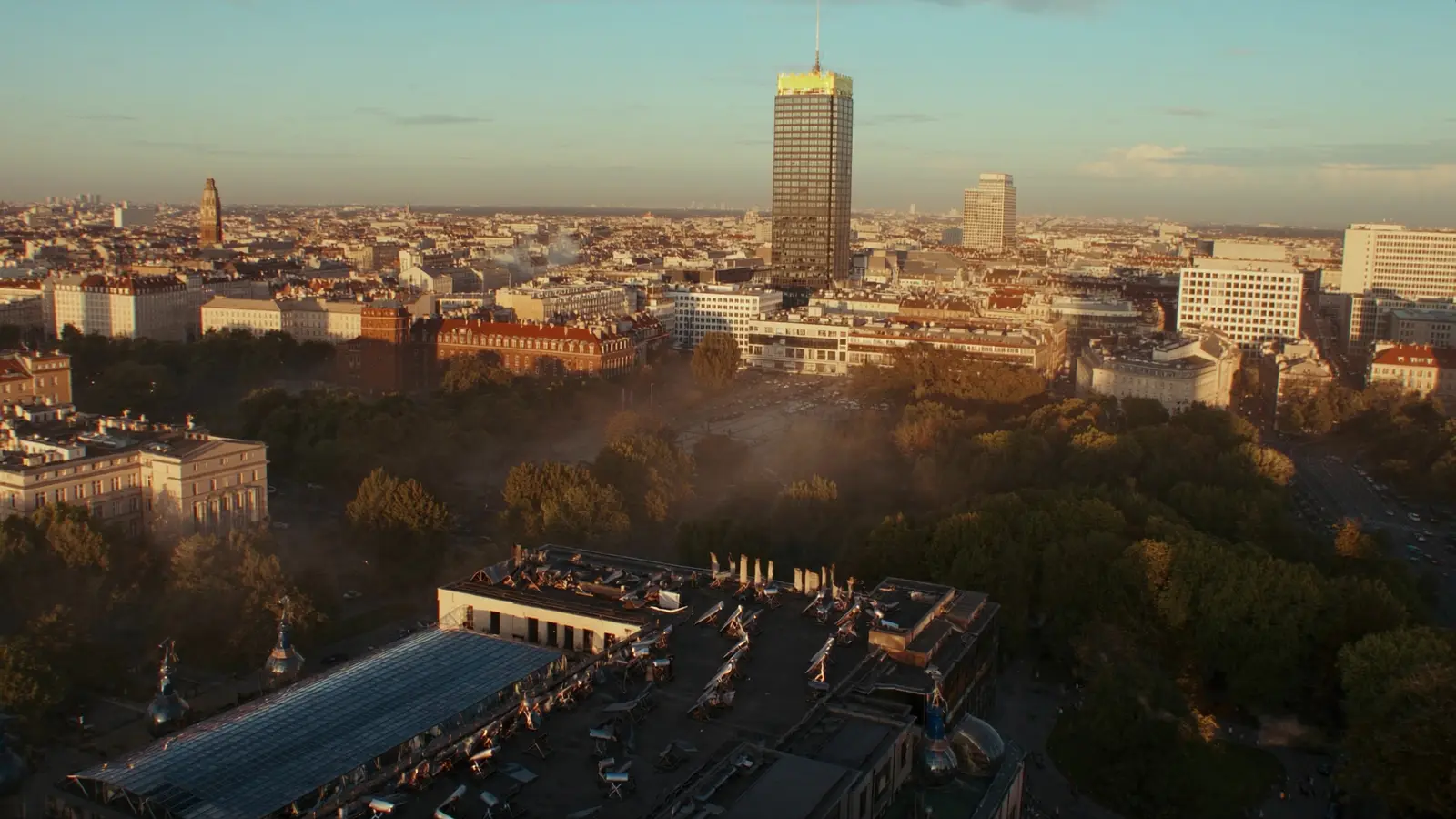
Luxury Hotels in Warsaw,
perfectly yours.
Resilient beauty and vibrant modern energy. AI-matched stays near the Old Town.
Warsaw rebuilds itself in front of you, and that is precisely its power. You walk into a Market Square that looks four centuries old and learn it rose from rubble after 1945, brick by brick, guided by old paintings and memory. The city wears its history openly, pairing gothic spires with glass towers, and it rewards travelers who slow down enough to notice the seams.
Come in late spring or early autumn and you will catch Warsaw at its best, chestnut trees along the boulevards, terraces open late into warm evenings, boats drifting past on the Vistula. Winters turn sharp and snowy, perfect for mulled wine near the Old Town, while summer pulls the whole city outdoors, from a converted vodka factory in Praga to riverside beaches beneath the bridges.
Matched to the Warsaw you actually want to experience.
ProAI Hotels reads Warsaw the way a local would: as a city split by the Vistula River into a historic left bank and a grittier, fast-changing right bank. If your priority is walking straight out the door into the Old Town's cobblestones, we weight stays along Krakowskie Przedmiescie and the Royal Route over anything requiring a tram transfer. If you would rather anchor near the metro for quick hops to Lazienki Park or the business towers of Srodmiescie, we shift the match accordingly.
Proximity changes the trip here more than in most capitals. A stay near the Palace of Culture puts you beside Warszawa Centralna for airport trains and day trips, but blocks from the quieter charm of Muranow, where the POLIN Museum sits inside the old Jewish quarter's rebuilt streets. We favor that northern pocket for travelers who want cultural depth and an easy walk into the Old Town without paying for a room inside the tourist core, and we route those chasing green space and quiet mornings toward the embassy streets edging Lazienki Park instead. That is the difference between a stay that merely faces a landmark and one that puts its neighborhood's rhythm on your side.
Hotels near Warsaw's iconic landmarks
These are the places that define Warsaw. Here is how ProAI helps you experience them beautifully.
Old Town
Warsaw's Old Town is not an ancient survivor but a postwar act of will, leveled in 1944 and rebuilt from photographs, paintings, and rubble into the UNESCO listed square you see today. Base yourself right on or just off the Market Square for cobblestone mornings before the tour groups arrive, though rooms here trade modern scale for atmosphere. Visit at dawn or after dinner, when the square empties out and actually feels like the centuries old town it was rebuilt to resemble.
Royal Castle
Sitting at the entrance to the Old Town on Castle Square, the Royal Castle was the seat of Polish kings before its own wartime destruction and painstaking reconstruction, and its period interiors now form a museum. Choose a hotel a few minutes south along Krakowskie Przedmiescie, the start of the Royal Route, for castle views without booking into the deepest, priciest heart of the tourist core. Early morning is best for photographing the square before coach tours fill it.
Łazienki Park
Lazienki Park is Warsaw's largest green space, an eighteenth century royal retreat centered on the Palace on the Isle, with peacocks on the paths and free Chopin piano recitals by his monument on summer Sunday afternoons. Properties along the leafy, embassy lined streets of southern Srodmiescie or Ujazdow put you within an easy walk or short tram ride of the park's gates. Visit on a weekday morning if you want the paths quiet, or a Sunday afternoon in season for the concert.
POLIN Museum
POLIN traces a thousand years of Polish Jewish history through an award winning building set inside Muranow, the district built directly over the ruins of the former Jewish quarter and ghetto. Staying in this quieter, largely residential pocket north of the Old Town suits travelers who want cultural weight over nightlife, with a fifteen to twenty minute walk into the Old Town itself. Give the core exhibition at least half a day and pair it with the nearby Warsaw Ghetto Uprising Monument.
Palace of Culture
The Palace of Culture and Science, a towering Stalinist era gift from the Soviet Union, still dominates the skyline and houses an observation deck above the city's busiest transit hub, Warszawa Centralna. Hotels clustered around its base suit business travelers and anyone prioritizing convenience, with direct rail links to Chopin Airport and easy access to the glass towers and shopping of central Srodmiescie. It is less charming than the Old Town but unmatched for logistics, especially on short, layover style visits.
Where to stay in Warsaw: best neighborhoods
Srodmiescie
Srodmiescie is Warsaw's central business and commercial district, where prewar tenements sit beneath glass office towers and the Palace of Culture anchors the skyline. Nowy Swiat and Marszalkowska Street carry the shopping and restaurant energy, and the district connects easily to nearly everywhere else by metro and tram. It suits business travelers, first time visitors who want one central base, and anyone who prioritizes convenience over quiet.
Praga
Praga, on the Vistula's right bank, was largely spared the wartime destruction that leveled the rest of the city, so its brick tenements and courtyards are genuinely prewar rather than rebuilt. The former Koneser vodka factory now anchors a district of galleries, breweries, and design studios, giving the area a rougher, creative edge. It suits travelers chasing an authentic, less polished Warsaw and a strong food and nightlife scene.
Powisle
Powisle sits between the city center and the river, a former industrial strip now known for the Copernicus Science Center, university crowds, and the old Powisle power station converted into dining and shopping. Riverside boulevards fill with beach bars and outdoor seating through the warmer months. It suits younger travelers and anyone who wants to walk to both the Old Town and the Vistula's riverside life.
Let ProAI find your perfect Warsaw hotel.
Tell us your dates and what matters most: landmark proximity, view, vibe, or budget. Our AI will curate the best options for you.
Plan the rest of your Warsaw trip
Our concierge team can arrange every part of your stay near Old Town, not just the room.
Frequently asked questions about Warsaw hotels
What is the best area to stay in Warsaw?
When is the best time to visit Warsaw?
How do I get around Warsaw, especially near the Old Town?
More in Europe
All destinations →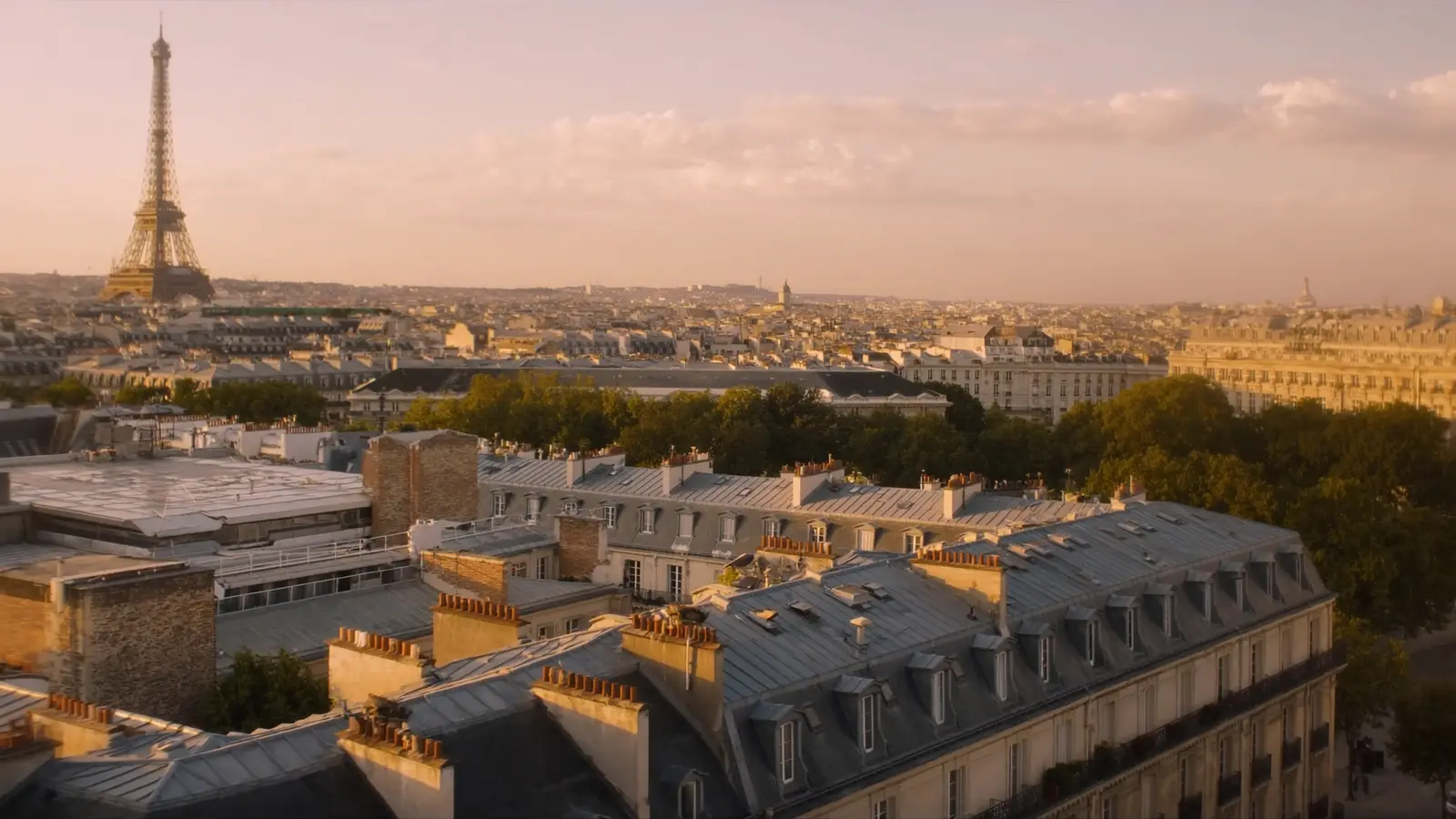
Timeless elegance near the Eiffel Tower, Louvre, and the neighborhoods that make Paris unforgettable.
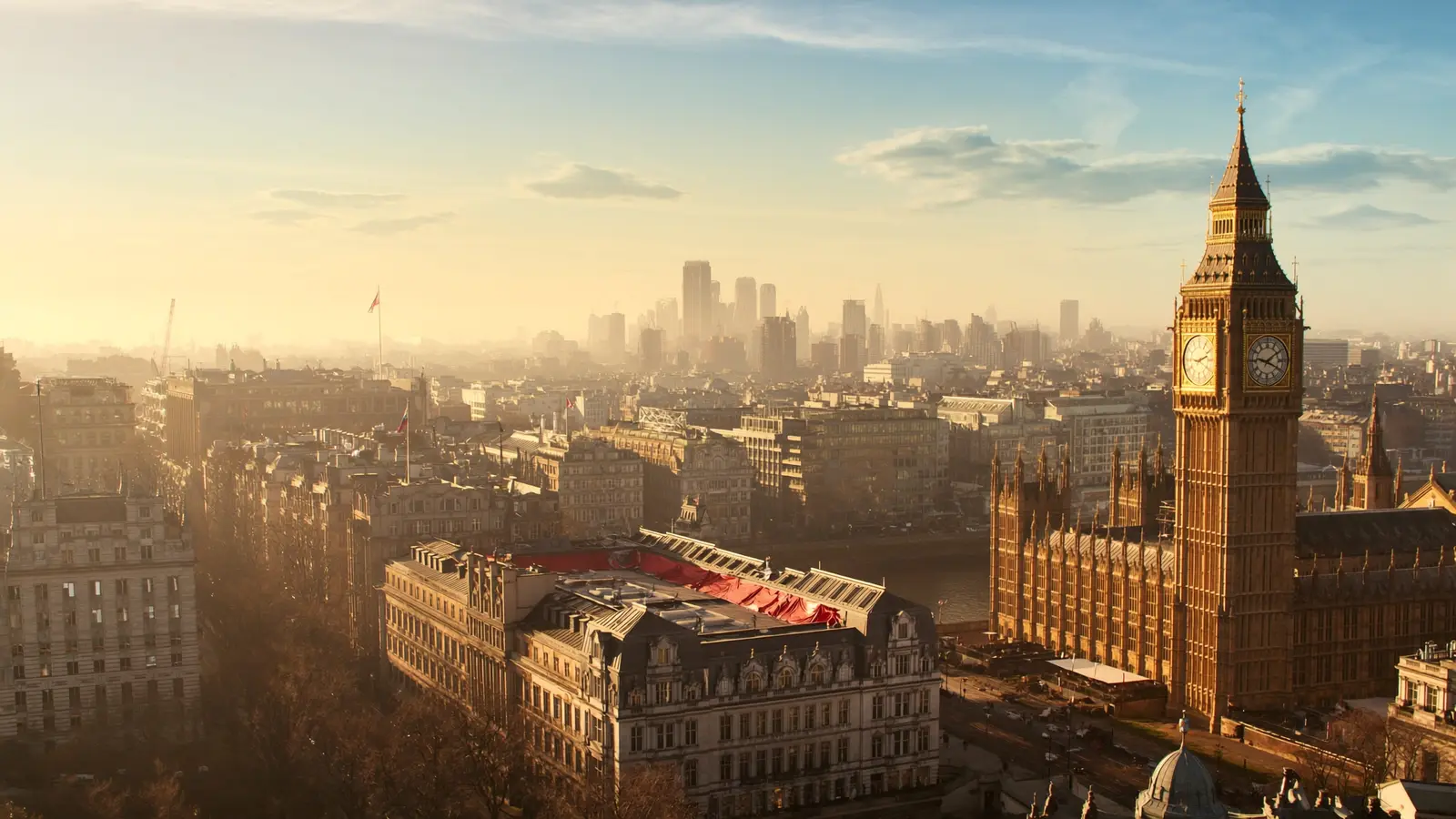
Royal heritage, West End theatre, and modern innovation, perfectly placed stays.
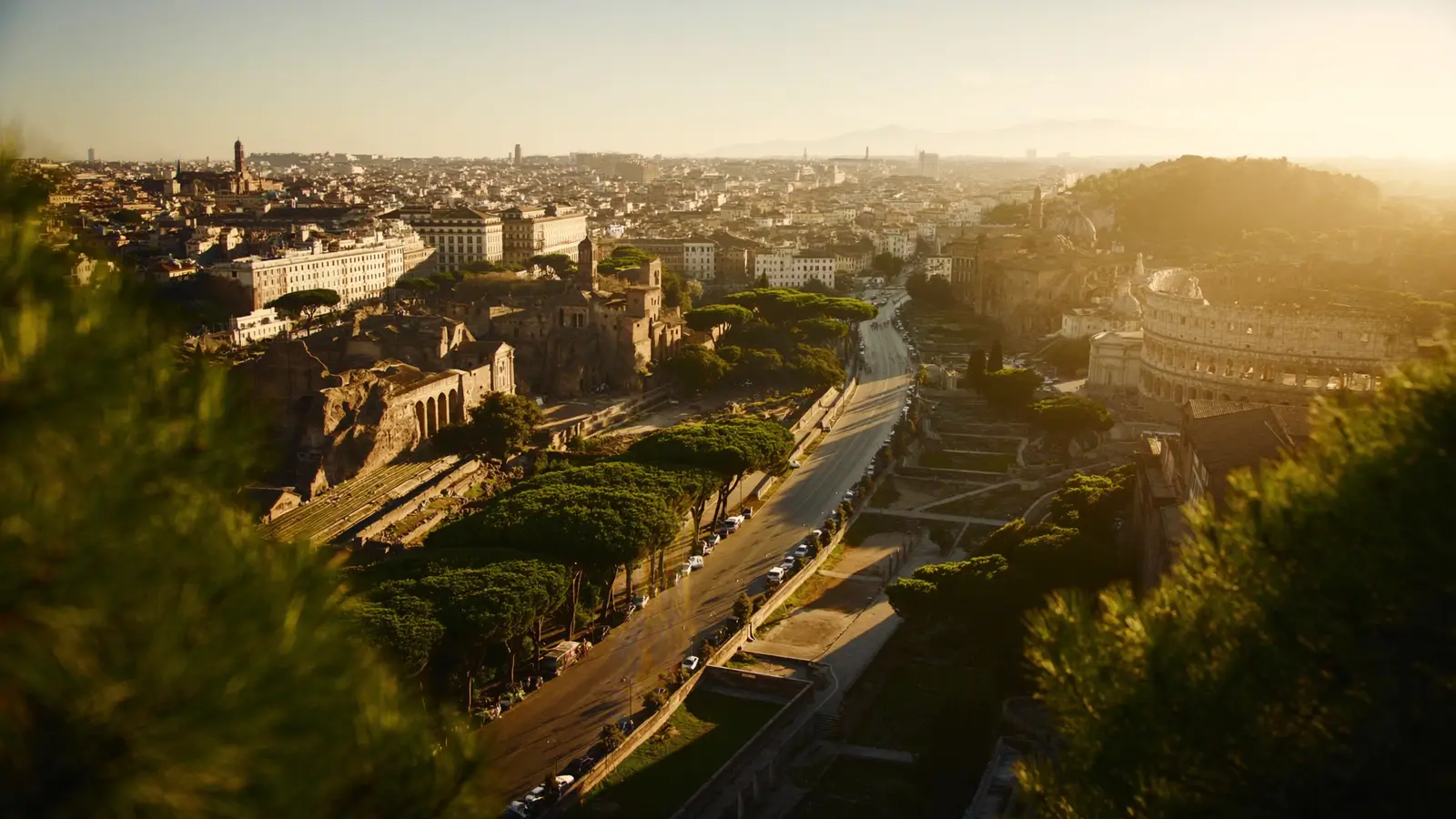
The Eternal City awaits. AI-matched stays near the Colosseum, Vatican, and timeless neighborhoods.
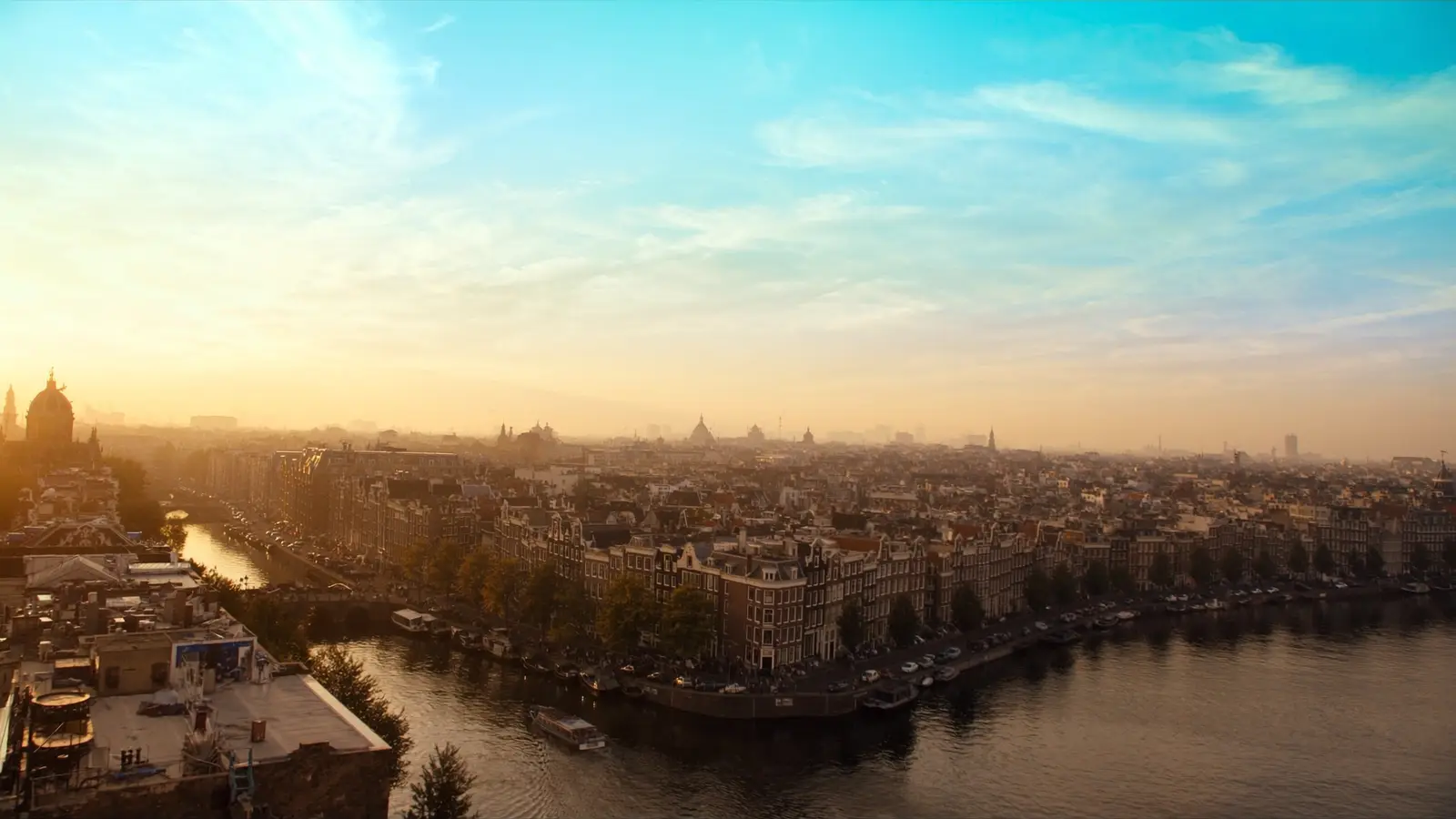
Canal-side charm and world-class museums. AI-matched stays in the heart of Amsterdam.