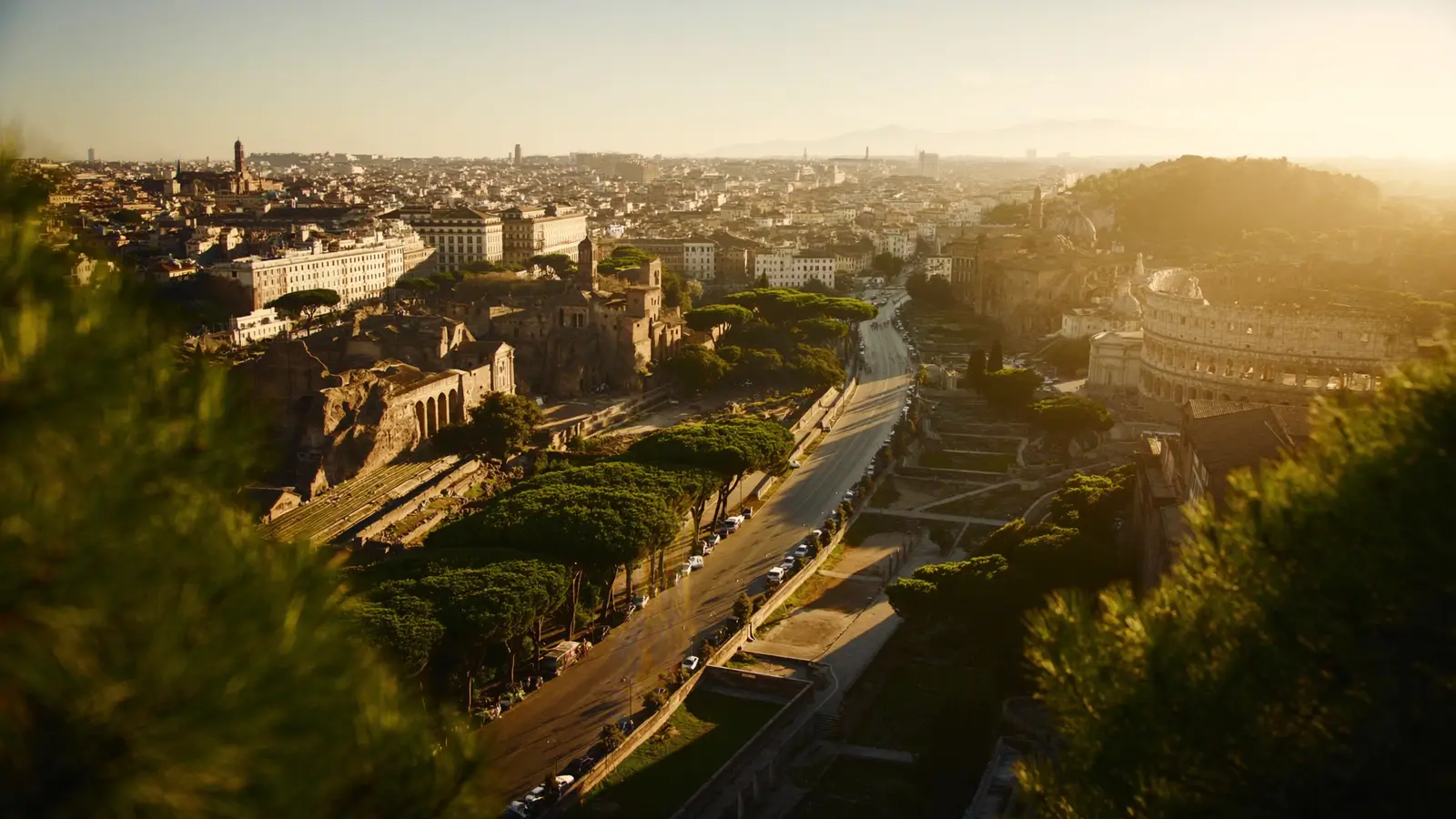
Luxury Hotels in Rome,
perfectly yours.
The Eternal City awaits. AI-matched stays near the Colosseum, Vatican, and timeless neighborhoods.
Rome does not sit quietly in the past. You feel it the moment cobblestones rattle under a scooter outside a centuries old church, or when the smell of espresso drifts from a corner bar where locals stand three deep before eight in the morning. Spring and early autumn bring soft light and manageable crowds, while August empties the center into a slower, sun-baked hush.
You will find yourself pulled between two rhythms here: the hushed reverence of ancient ruins and the loud, unhurried joy of a long dinner that starts at nine and ends well past midnight. Rome rewards travelers who wander without a fixed plan, ducking into a quiet piazza or an unmarked trattoria. Every district, from the artisan lanes of Monti to the ivy covered streets by the Tiber, tells its own version of the same eternal story.
Matched to the Rome you actually want to experience.
ProAI Hotels reads Rome's geography before it suggests a single stay. A hotel a few blocks from the Colosseum, in Celio or Monti, puts you inside the ancient core, where early mornings mean near empty views of the amphitheater before the tour buses arrive. A property near Vatican City, in the tidy grid of Prati, suits travelers prioritizing the Vatican Museums who want a calmer, more residential base with easy access to Metro Line A.
Because Rome's historic center is largely pedestrian and its Metro covers just two lines, where you sleep decides how much of each day you spend walking versus riding. Our matching weighs whether you want to reach the Trevi Fountain at sunrise before the crowds gather, stay near the Spanish Steps for shopping and evening strolls, or base yourself by the Pantheon in the compact centro storico, where nearly everything worth seeing sits within a fifteen minute walk.
Hotels near Rome's iconic landmarks
These are the places that define Rome. Here is how ProAI helps you experience them beautifully.
Colosseum
The Colosseum is the vast amphitheater where gladiators once fought before tens of thousands of spectators, and it remains Rome's most recognizable ancient monument. Stay in Celio or Monti for a walk to the entrance in under ten minutes, and look for a rooftop or terrace property near Colle Oppio park for views of the arena at dusk. Arrive at opening time to beat both the heat and the crowds.
Vatican City
Vatican City is its own sovereign state, home to St. Peter's Basilica, the Sistine Chapel, and the Vatican Museums, drawing visitors for both faith and art. Base yourself in Prati, a tidy, upscale residential grid just outside the Vatican walls with wide sidewalks and quieter evenings than the historic center. Book museum entry for early morning, since the lines stretch far longer by midday.
Trevi Fountain
The Trevi Fountain is Rome's grandest baroque fountain, where tossing a coin over your shoulder is said to guarantee a return trip to the city. The surrounding streets stay crowded almost around the clock, so a boutique hotel tucked a few blocks away, toward Via del Tritone, gives you easy access without constant foot traffic outside your door. Visit late at night or just before sunrise for a rare quiet moment at the water's edge.
Pantheon
The Pantheon is a remarkably preserved Roman temple, its massive dome and open oculus still drawing gasps nearly two thousand years after it was built. Staying in the centro storico around Piazza della Rotonda puts you steps from the entrance and within walking distance of most other major sights, ideal if you want to minimize transit time. A small hotel or converted palazzo in this district suits travelers who prize atmosphere over space.
Spanish Steps
The Spanish Steps sweep upward from Piazza di Spagna to the Trinita dei Monti church, forming one of Rome's favorite spots to sit, people watch, and shop the surrounding designer streets. This area suits travelers who want proximity to high end shopping along Via Condotti and a polished, elegant hotel style. Evenings here get lively, so light sleepers may prefer a room set back from the piazza itself.
Where to stay in Rome: best neighborhoods
Trastevere
Trastevere is Rome's bohemian riverside quarter, a maze of ivy draped facades, artisan workshops, and trattorias that fill with locals long after tourist restaurants elsewhere have emptied. It has a lively, sometimes rowdy nightlife scene alongside genuine neighborhood charm during the day. This district suits travelers who want an authentic, walkable base with excellent food, even if it means a short taxi or tram ride to the major ancient sites.
Monti
Monti is Rome's oldest rione, known today for vintage boutiques, wine bars, and a village like square life centered on Piazza della Madonna dei Monti. It sits just behind the Colosseum, making it convenient without feeling overrun by tour groups. Independent travelers and couples who prefer character over polish tend to favor basing themselves here.
Testaccio
Testaccio is a working class turned foodie district built around Rome's historic slaughterhouse and covered market, now home to some of the city's best trattorias and a lively weekend nightlife scene. It sits a bit further from the ancient core, along the Tiber's quieter southern bend, and rewards travelers who prioritize eating well over walking to every landmark. It suits food focused visitors comfortable with a short Metro or bus ride into the center.
Let ProAI find your perfect Rome hotel.
Tell us your dates and what matters most: landmark proximity, view, vibe, or budget. Our AI will curate the best options for you.
Plan the rest of your Rome trip
Our concierge team can arrange every part of your stay near Colosseum, not just the room.
Frequently asked questions about Rome hotels
What is the best area to stay in Rome?
When is the best time to visit Rome?
How do you get around Rome and stay close to the main landmarks?
More in Europe
All destinations →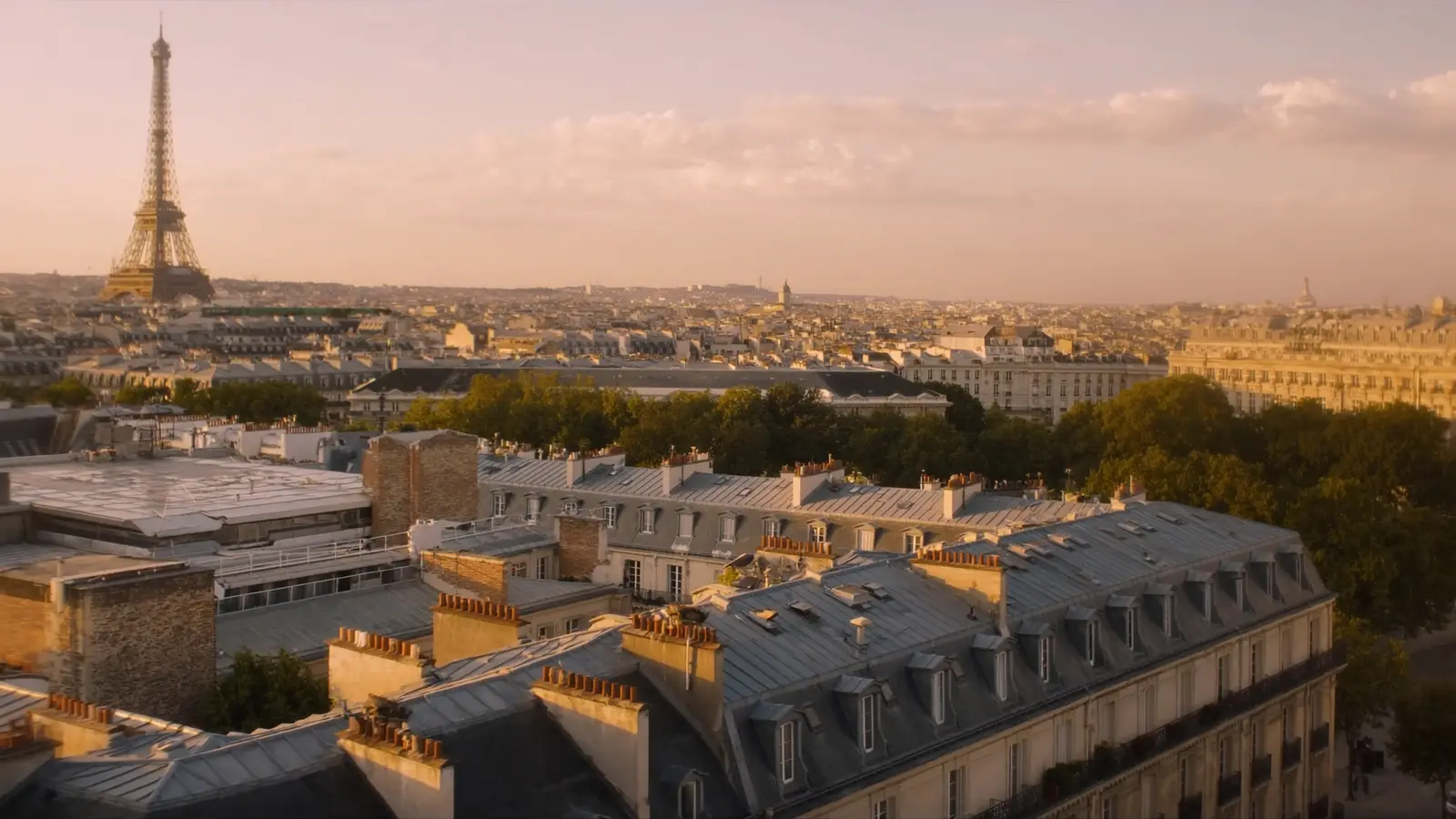
Timeless elegance near the Eiffel Tower, Louvre, and the neighborhoods that make Paris unforgettable.
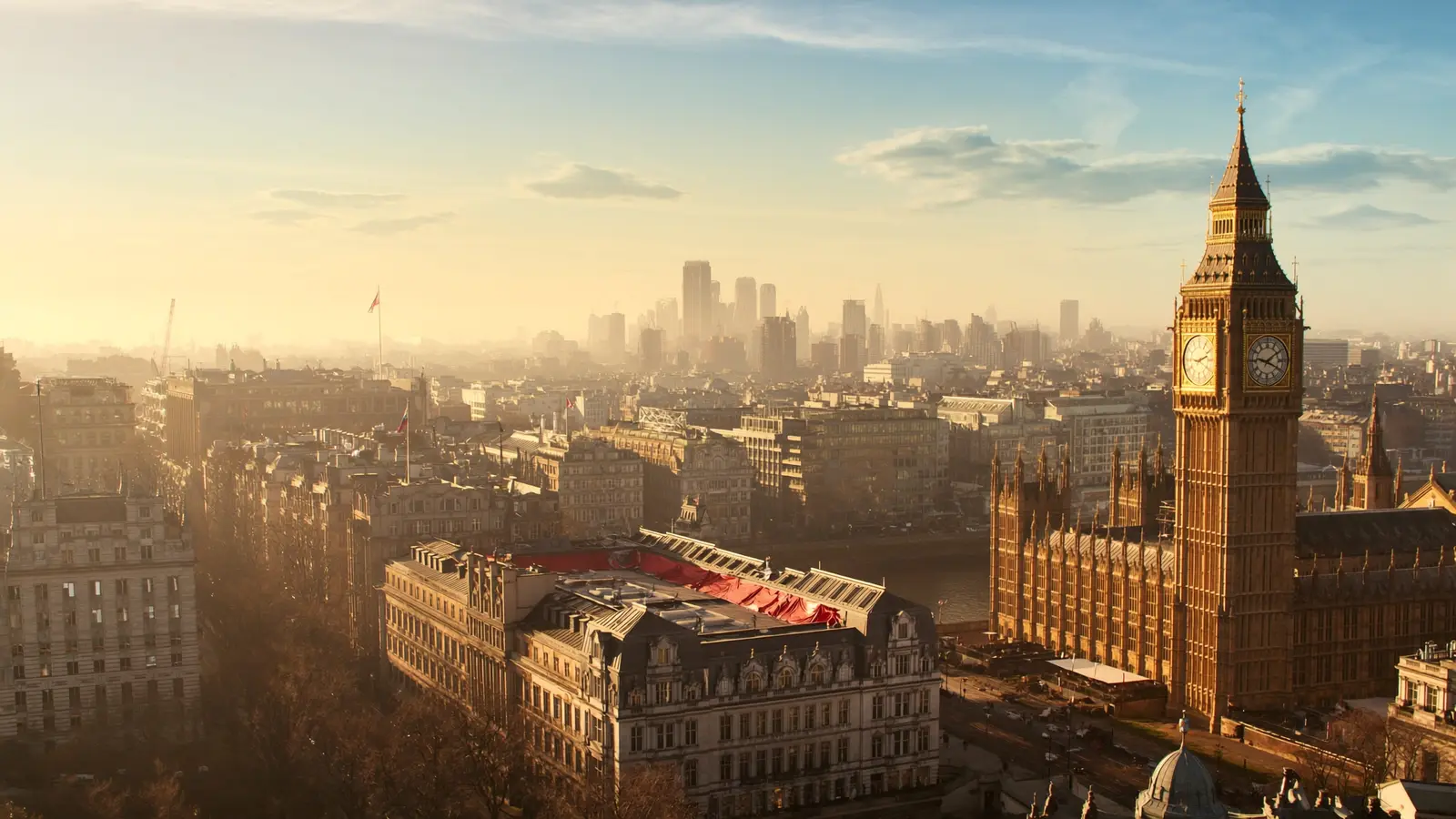
Royal heritage, West End theatre, and modern innovation, perfectly placed stays.
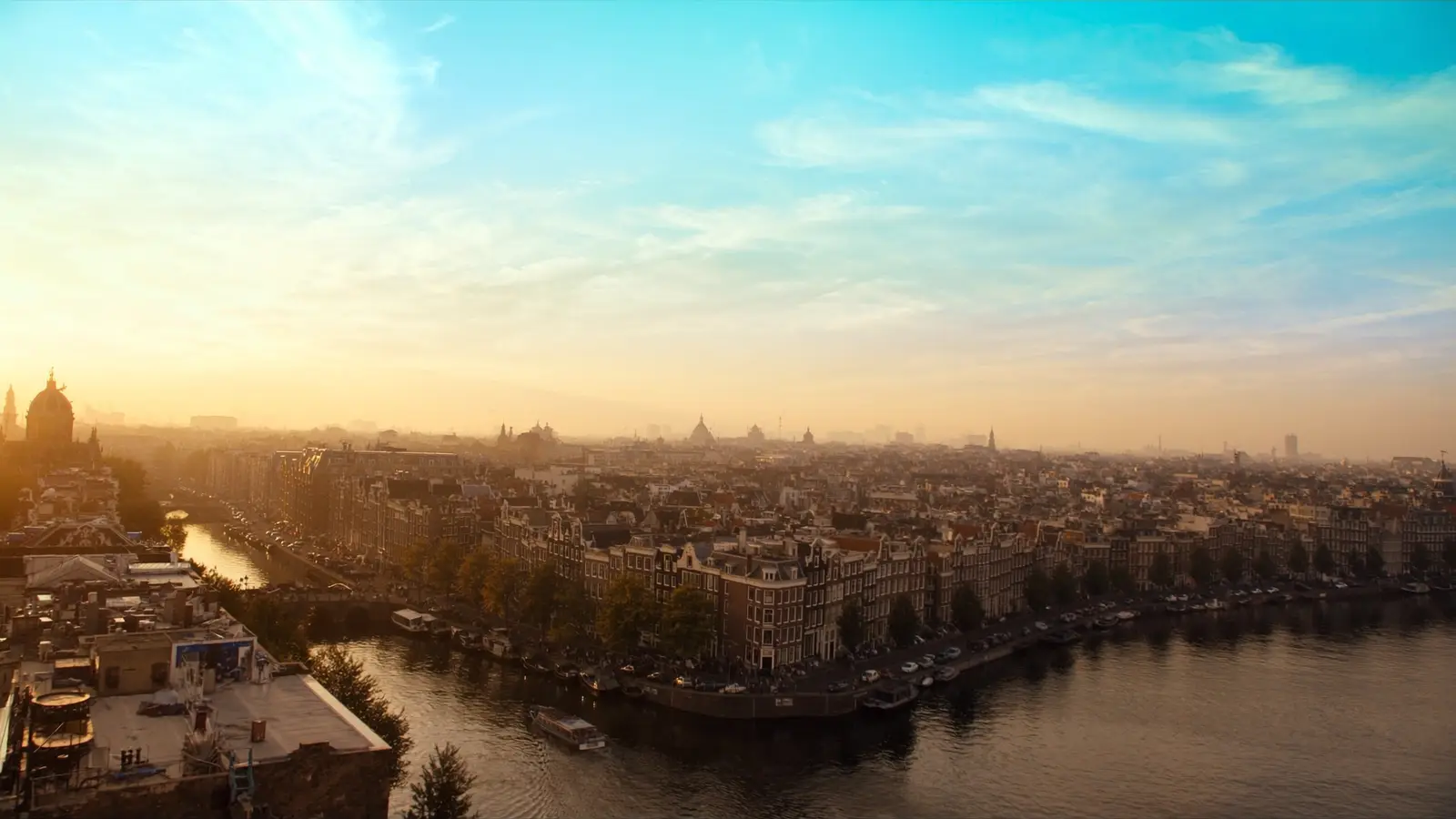
Canal-side charm and world-class museums. AI-matched stays in the heart of Amsterdam.
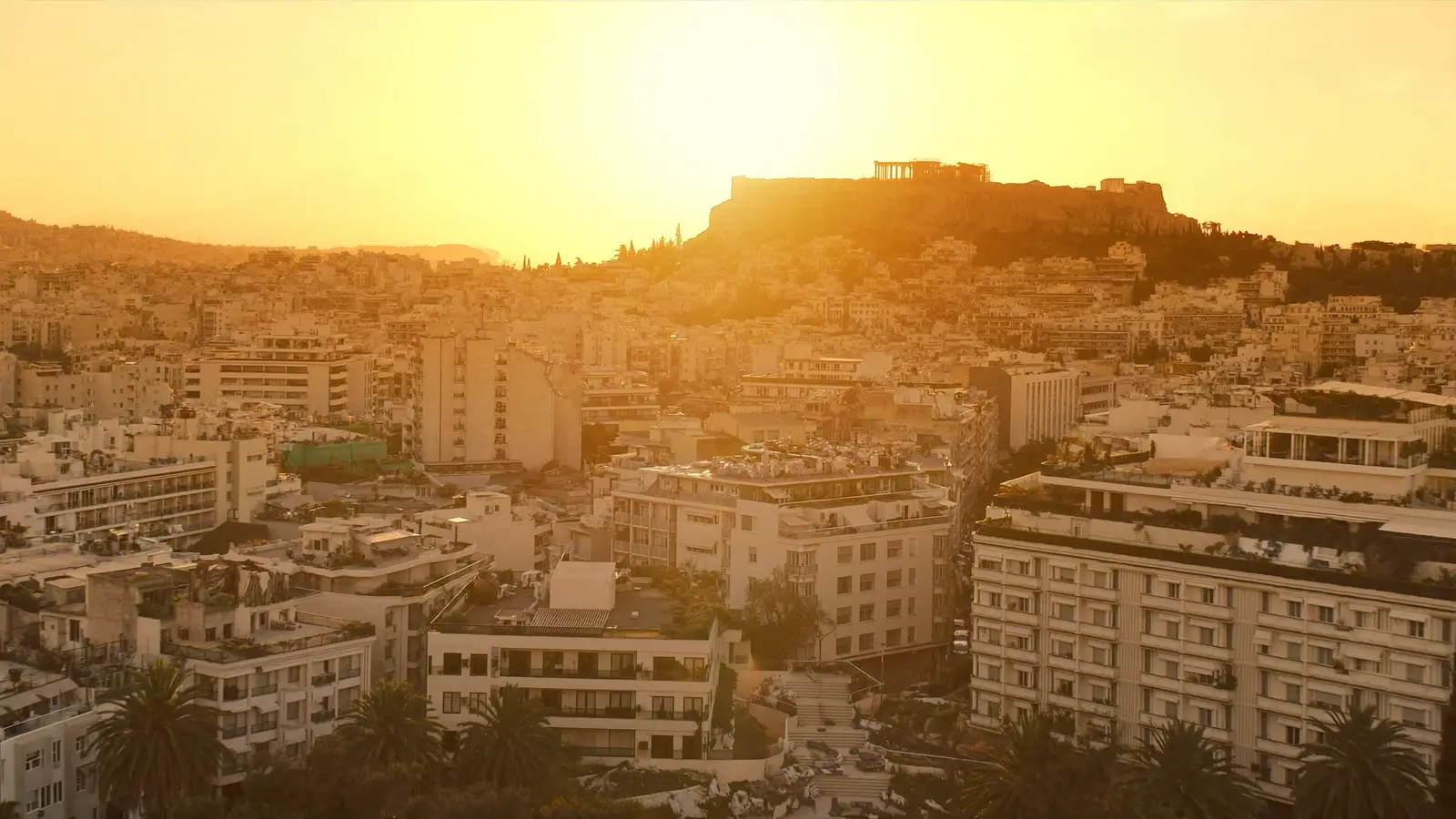
Ancient history and vibrant modern life. AI-matched stays near the Acropolis.