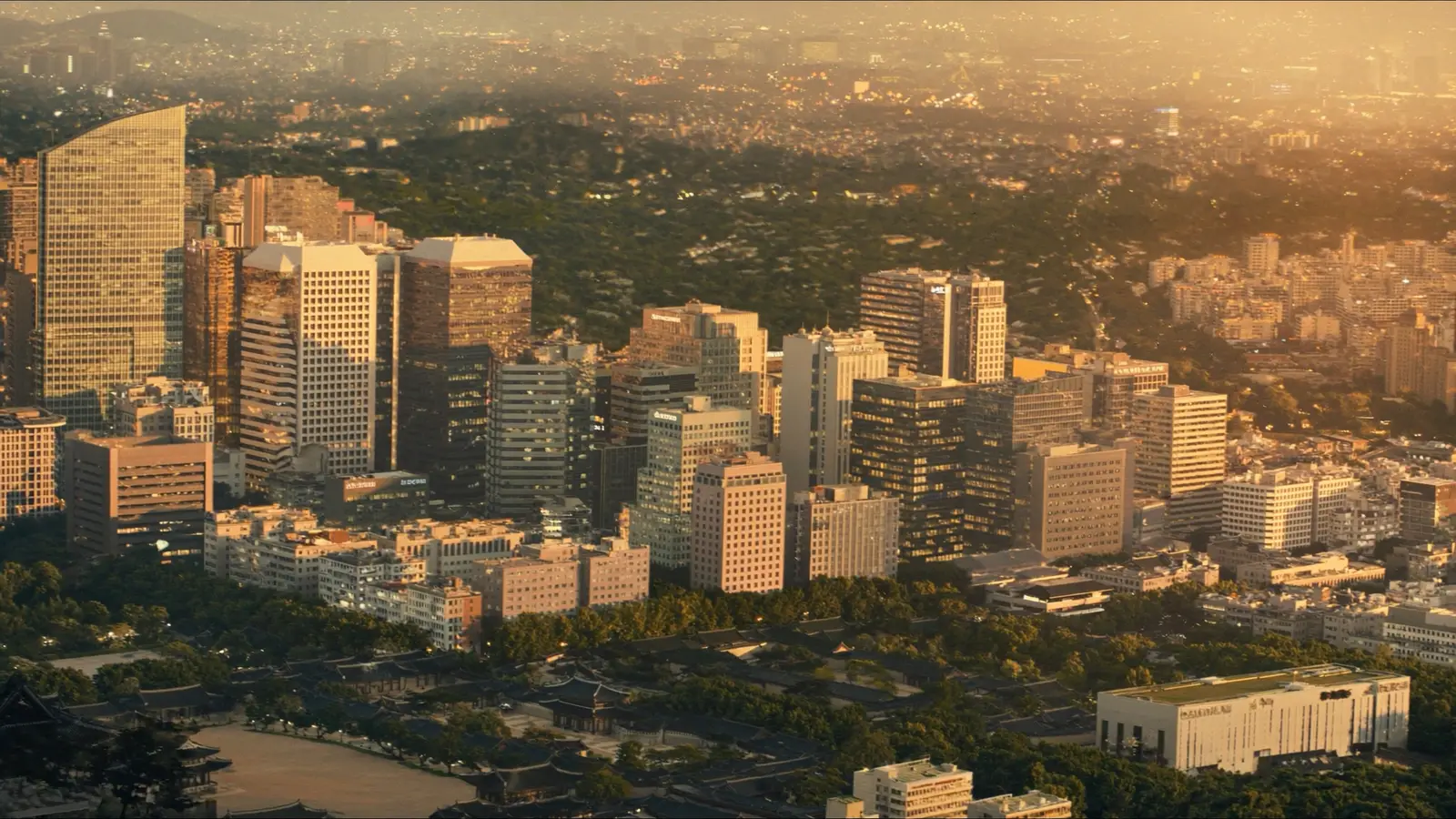
Luxury Hotels in Seoul,
perfectly yours.
Palaces, K-culture, and incredible food. AI-matched stays in Seoul's most exciting neighborhoods.
Seoul moves at two speeds at once, its centuries-old palace gates swinging open at dawn while neon-lit alleyways hum until the early hours just blocks away. You might spend a quiet morning wandering hanok-lined lanes and finish the night over sizzling street food and soju, all within a single subway ride between eras.
Each neighborhood carries its own rhythm: Insadong's tea houses and antique shops move at a scholar's pace, while Gangnam's glass towers pulse with K-pop billboards and late-night barbecue. Winter turns the Han River silver under string lights, and summer festivals spill into public squares. Whichever season pulls you here, Seoul rewards travelers willing to wander between its old gates and its glowing new skyline.
Matched to the Seoul you actually want to experience.
Seoul's subway is vast and genuinely excellent, but where you sleep still shapes the trip. Stay too far from the Gyeongbokgung Palace stop on Line 3 and you lose the ten-minute walk to the palace gates at sunrise. Land in the wrong pocket of Gangnam and you end up commuting past Myeongdong's shopping crowds each night instead of strolling through them. Our matching engine weighs real walking distance to the landmarks you actually care about, not just district reputation, so your stay fits how you plan to spend your days.
Bukchon Hanok Village sits on a hillside with narrow, stepped lanes that most large hotel shuttles cannot reach, so travelers who want to wake up inside the traditional village need a boutique guesthouse or a small hanok stay within walking distance, not just a downtown high-rise. N Seoul Tower, meanwhile, is reached by cable car from Myeongdong or a winding drive from Itaewon, so we weigh which base gets you up the mountain fastest for sunset. That is the difference between reading about a neighborhood and actually living in it for a few days.
Hotels near Seoul's iconic landmarks
These are the places that define Seoul. Here is how ProAI helps you experience them beautifully.
Gyeongbokgung Palace
Gyeongbokgung Palace is the largest of Seoul's five grand palaces, a sprawling complex of painted wooden halls, stone courtyards, and the iconic changing of the royal guard ceremony held several times a day. Base yourself in the Jongno district just outside its walls, where boutique hotels and traditional guesthouses put you close enough to catch the gates opening at sunrise before the tour groups arrive. Aim for a weekday morning visit in spring or autumn, when the palace grounds are least crowded and the light on the stone courtyards is best.
N Seoul Tower
Perched atop Namsan Mountain, N Seoul Tower is the city's most recognizable skyline marker, known for panoramic night views and the thousands of padlocks couples leave on its observation deck fences. Staying in Itaewon or Myeongdong puts you within a short cable car ride or hiking trail of the summit, which matters since taxis cannot drive all the way up. Go near sunset so you catch the city lighting up beneath you rather than a midday haze.
Myeongdong
Myeongdong is Seoul's most concentrated shopping and street food district, a pedestrian grid of cosmetics shops, fashion flagships, and vendor stalls that stay busy well past midnight. A hotel directly in the neighborhood suits first-time visitors and shoppers who want to walk everywhere, though light sleepers may prefer a quieter side street a few blocks off the main strip. Evenings are when the street food stalls truly open, so this district is best experienced after dark rather than at breakfast.
Insadong
Insadong is Seoul's traditional arts and antiques quarter, lined with tea houses, calligraphy shops, and galleries selling hanji paper crafts and ceramics. It suits travelers who want a slower, more contemplative Seoul, and a small guesthouse or hanok stay tucked into the surrounding alleys lets you experience the neighborhood before the day trip crowds arrive from the subway. Weekend afternoons bring a pedestrian art market to the main street, so weekday mornings are quieter if you prefer browsing without the crowds.
Bukchon Hanok Village
Bukchon Hanok Village is a hillside neighborhood of preserved traditional Korean houses with tiled roofs, wedged between Gyeongbokgung and Changdeokgung palaces. Because the lanes are steep, narrow, and largely residential, the best way to experience it is an early morning walk before nine, when locals are out but tour groups have not yet arrived, or an overnight stay in one of the small hanok guesthouses within the village itself. Choose this base if you want the quietest, most traditional version of central Seoul rather than easy access to nightlife.
Where to stay in Seoul: best neighborhoods
Gangnam
Gangnam is Seoul's upscale, ultra-modern district south of the Han River, home to glossy department stores, K-pop entertainment offices, and a nightlife scene that runs until dawn. It suits travelers who want sleek high-rise hotels, spa culture, and easy access to well-regarded restaurants. Business travelers and anyone chasing Seoul's contemporary pop culture scene tend to feel most at home here.
Hongdae
Hongdae, named for the university that anchors it, is Seoul's youthful arts and indie music district, packed with live clubs, street performers, and affordable boutique cafes. It suits younger travelers and anyone chasing a creative, low-key nightlife scene rather than five-star polish. The neighborhood stays loud and lively into the early morning, particularly on weekends.
Itaewon
Itaewon is Seoul's most international neighborhood, a hillside strip near Yongsan known for its diverse restaurant scene, foreign embassies, and a more relaxed, walkable nightlife than Gangnam's. It suits travelers who want variety in cuisine and a slightly slower pace while staying close to Namsan Mountain and N Seoul Tower. Its mix of hillside stairs and international crowds gives it a different energy than anywhere else in the city.
Let ProAI find your perfect Seoul hotel.
Tell us your dates and what matters most: landmark proximity, view, vibe, or budget. Our AI will curate the best options for you.
Plan the rest of your Seoul trip
Our concierge team can arrange every part of your stay near Gyeongbokgung Palace, not just the room.
Frequently asked questions about Seoul hotels
What is the best area to stay in Seoul for first-time visitors?
When is the best time to visit Seoul?
How do I get around Seoul, especially to see N Seoul Tower and the palaces?
More in Asia
All destinations →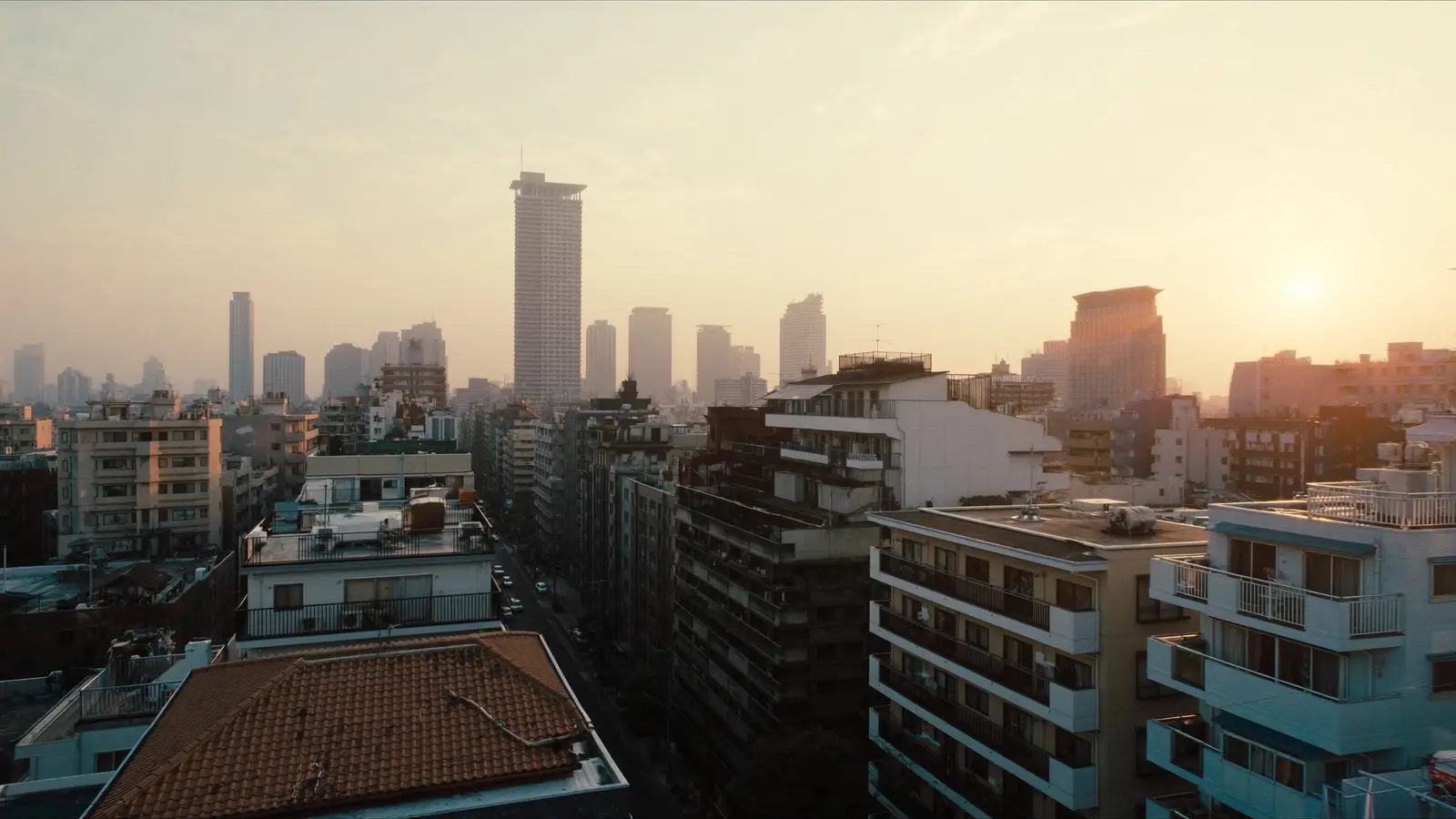
Where ancient temples meet futuristic energy, AI-matched stays in the neighborhoods you'll love.
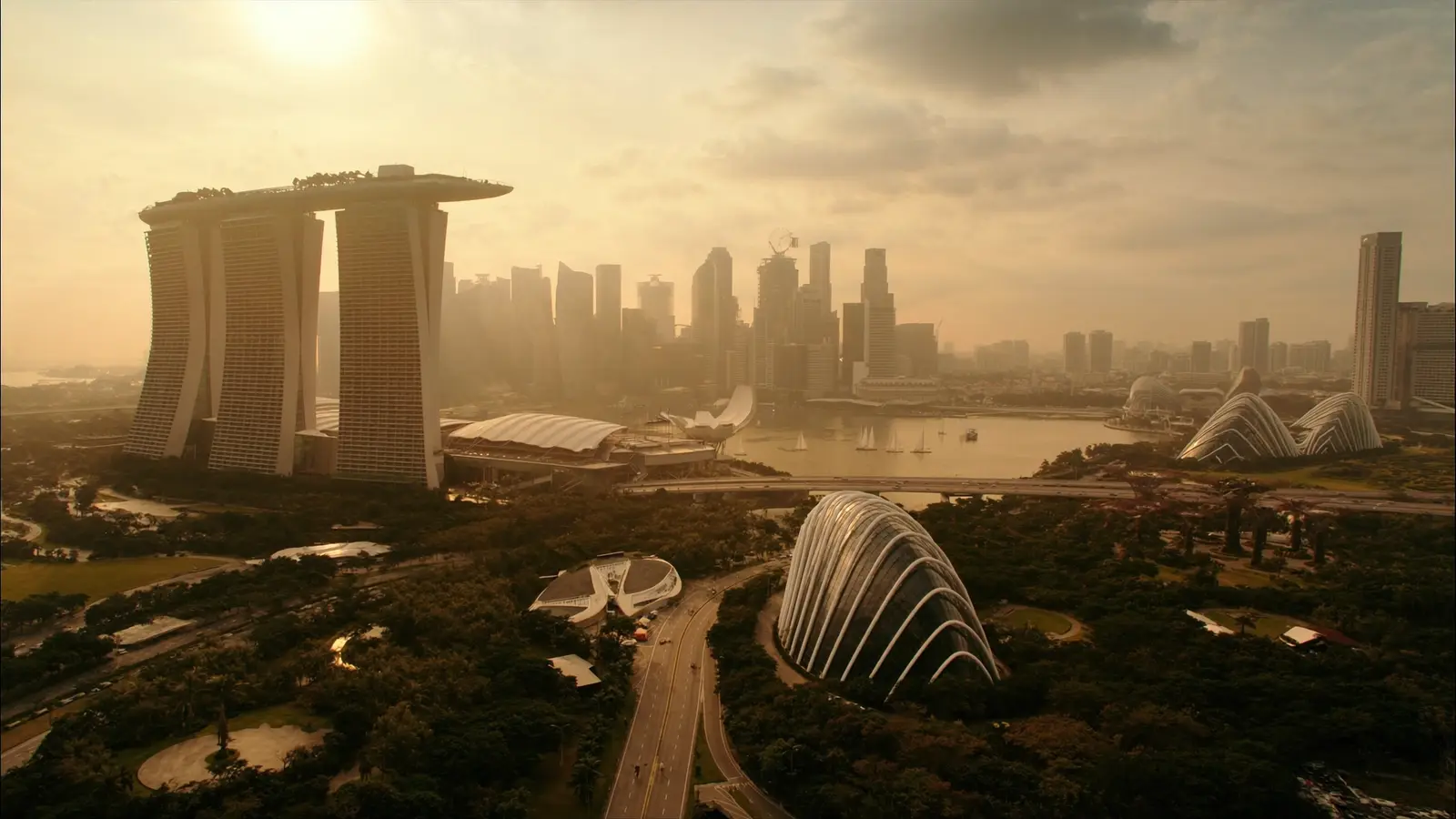
Futuristic luxury meets tropical serenity. AI-matched stays near Marina Bay and vibrant neighborhoods.
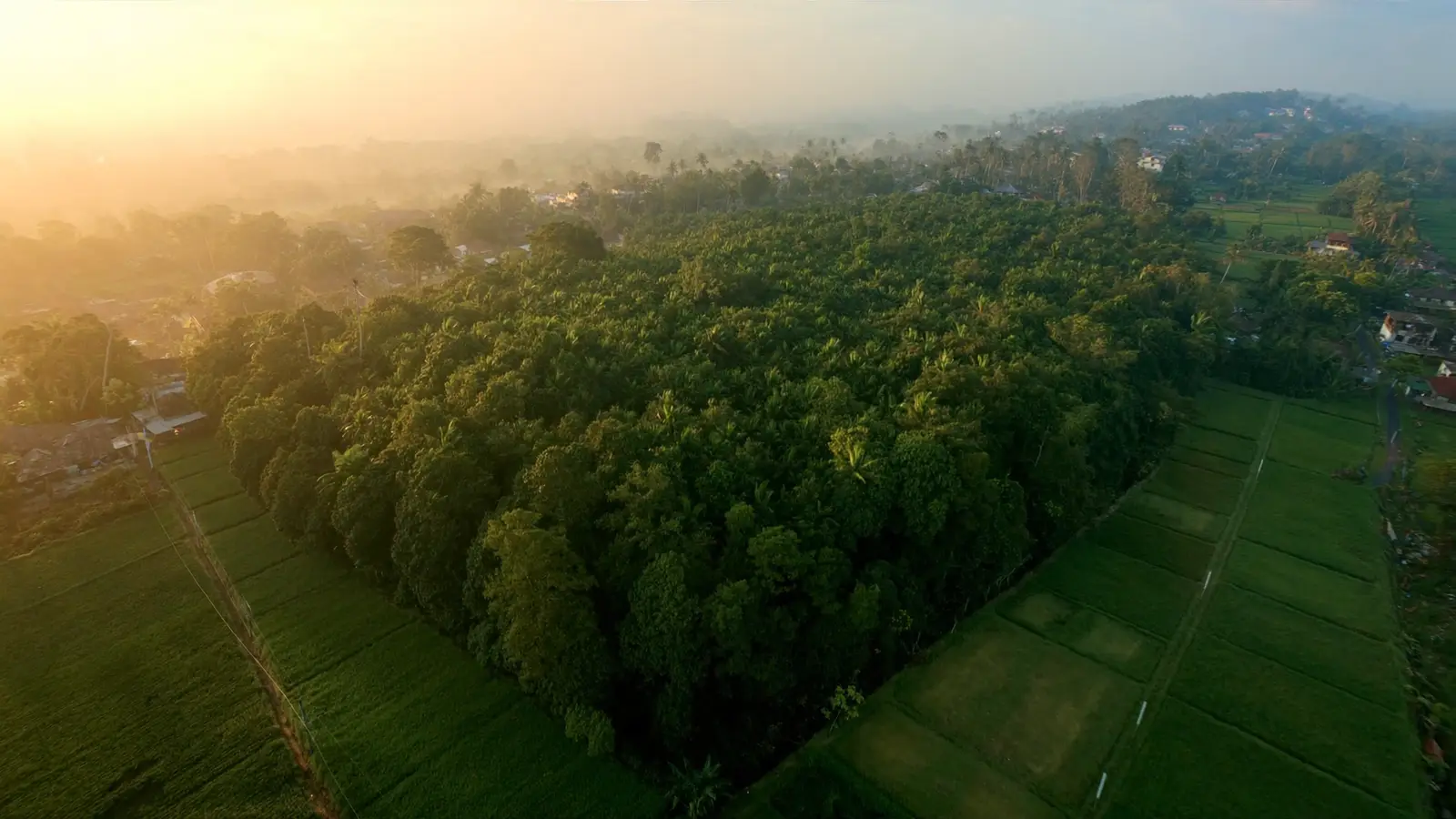
Cultural heart with rice terraces and wellness. AI-matched beautiful villas and boutique hotels.
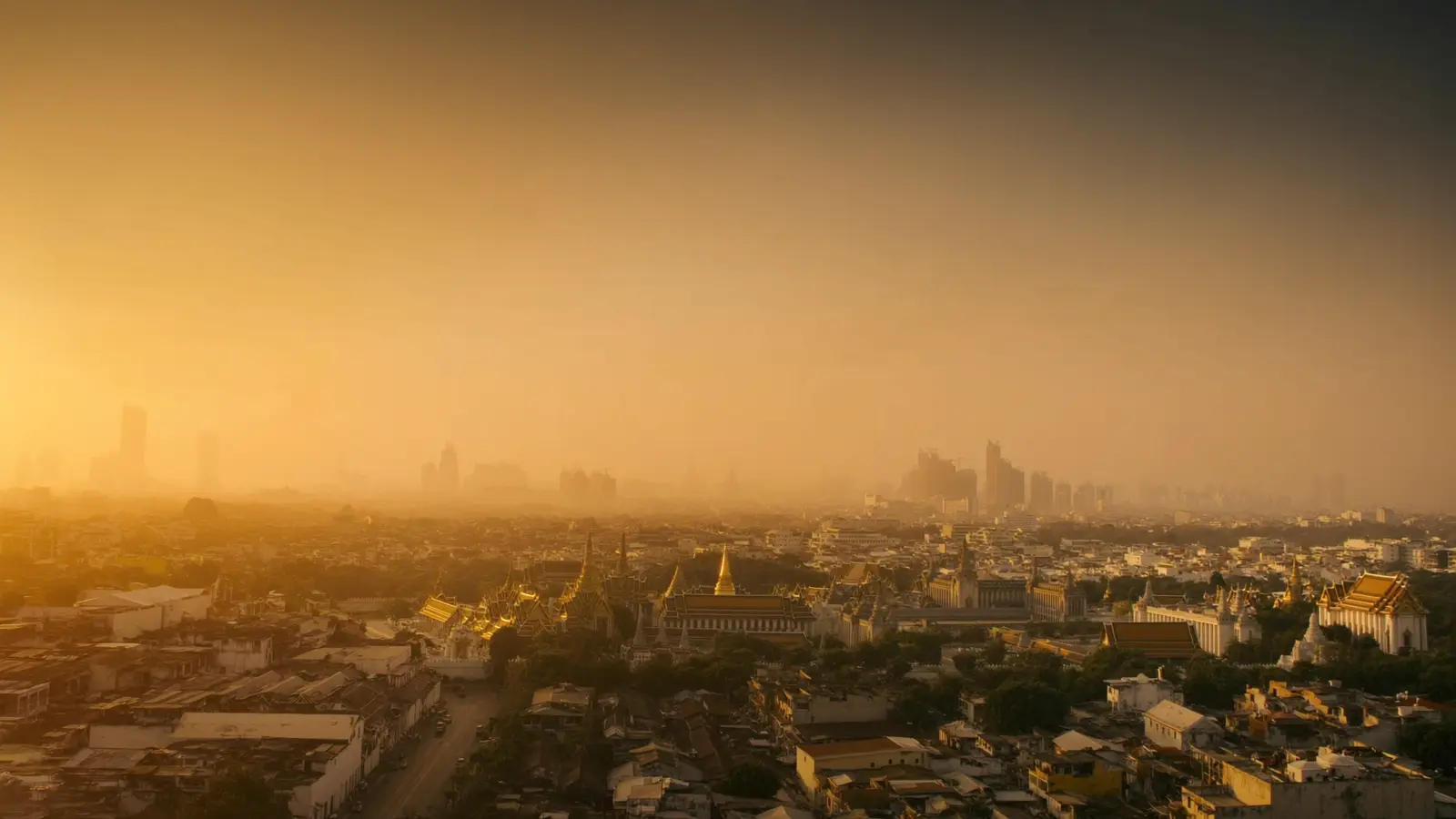
Temples, river life, and incredible food. AI-matched stays in Bangkok's best areas.