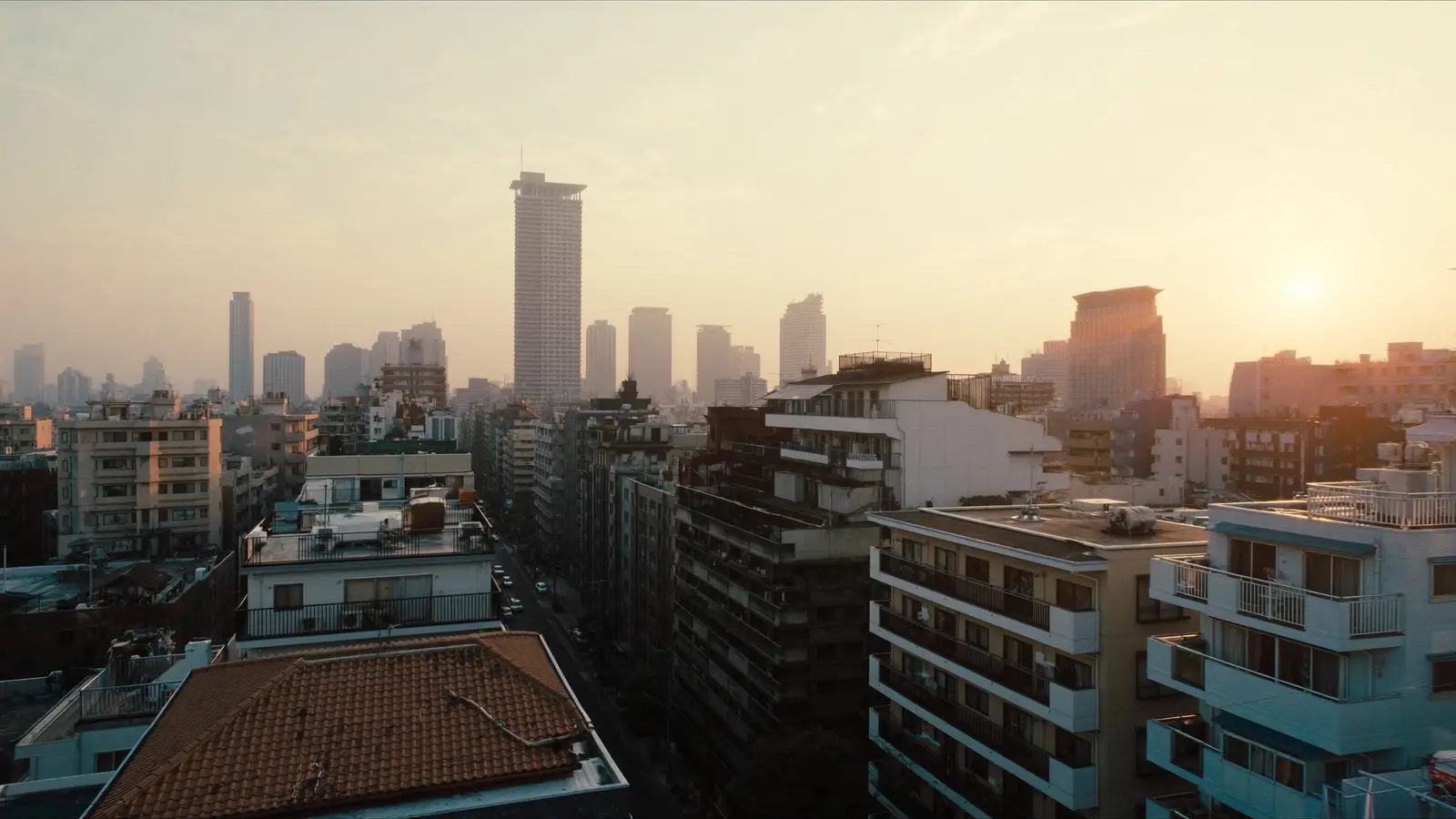
Luxury Hotels in Tokyo,
perfectly yours.
Where ancient temples meet futuristic energy, AI-matched stays in the neighborhoods you'll love.
Tokyo moves at two speeds at once. Step off a train in Shibuya and you are swept into scrambling crosswalks, vertical neon, and a hum that never quite settles, yet a few stops away temple bells and cedar-lined courtyards slow everything down. You feel it the moment you arrive: a city built on contrast, where centuries of ritual sit calmly beside glass towers and all-night ramen counters.
Come in spring and pale pink drifts settle over parks and canal paths; come in December and the city wraps itself in cool white illumination and the smell of roasted chestnuts. Whichever season draws you, Tokyo rewards wandering: a quiet backstreet in Yanaka, a vending machine glowing at 2 a.m., a department store basement stacked with edible art. This is a city that invites you to slow down and pay attention.
Matched to the Tokyo you actually want to experience.
Tokyo spreads across a patchwork of wards that each feel like their own city, so where you sleep shapes the whole trip. ProAI Hotels reads what matters to you, whether that means stepping straight into the scramble of Shibuya Crossing, waking early to reach Senso-ji Temple in Asakusa before the incense smoke and crowds thicken, or riding the Yamanote loop line with only a short walk on either end, then narrows down the right pocket of the city for your stay.
The matching goes deeper than a neighborhood name. A traveler chasing quiet mornings near Meiji Shrine wants a very different street, and often a very different pace, from someone who wants Ginza's flagship boutiques and hushed sushi counters outside the door, or a family aiming to watch city lights from beneath Tokyo Skytree in Sumida. ProAI Hotels weighs proximity to the subway and JR lines you will actually use alongside these landmarks, so you spend your trip exploring Tokyo instead of studying transit maps.
Hotels near Tokyo's iconic landmarks
These are the places that define Tokyo. Here is how ProAI helps you experience them beautifully.
Shibuya Crossing
Shibuya Crossing is the famously chaotic pedestrian scramble outside Shibuya Station, where crowds surge across in every direction at once beneath towering video screens. Staying in Shibuya itself puts you inside that energy, ideal if you want nightlife, shopping, and the crossing lit up after dark within a short walk of your room. Visit near dusk for the best mix of neon glow and daylight crowds, or come early morning if you would rather see it nearly empty.
Senso-ji Temple
Senso-ji Temple is Tokyo's oldest and most visited Buddhist temple, its bright red Kaminarimon gate and Nakamise shopping street leading to a working temple still busy with worshippers. Basing yourself in Asakusa keeps you close to this older, lower rise side of the city, a good fit for travelers who want traditional guesthouse charm and river views over Shibuya's flash. Arrive right at opening to see the grounds quiet before tour groups and souvenir crowds fill Nakamise street.
Tokyo Skytree
Tokyo Skytree is one of the tallest structures in the world, its twin observation decks giving sweeping views across the Kanto plain on clear days. Hotels in the surrounding Sumida area, or across the river in Asakusa, put you close enough to walk over for sunset or evening light shows without a long transit ride. Book an early evening slot if you want to watch the city shift from daylight into its lit up night skyline.
Meiji Shrine
Meiji Shrine sits inside a deep forested park in the heart of the city, a calm Shinto shrine dedicated to Emperor Meiji and Empress Shoken that feels far removed from the surrounding streets. Staying near Harajuku or Omotesando puts the shrine's gravel paths within easy reach for a peaceful morning walk, while keeping you steps from the boutiques and cafes just outside the park gates. Go as early as possible on a weekday morning for the quietest, most contemplative visit.
Ginza
Ginza is Tokyo's polished flagship shopping district, lined with luxury department stores, design boutiques, and some of the city's most refined restaurants and sushi counters. A hotel based in or near Ginza suits travelers who want an elegant, walkable base with easy access to Tokyo Station and the Imperial Palace grounds nearby. Weekend afternoons bring the district's main street closed to cars for pedestrian only strolling, so plan a visit then if you want to browse at an easy pace.
Where to stay in Tokyo: best neighborhoods
Shinjuku
Shinjuku is Tokyo's dense commercial and entertainment core, home to the city's busiest train station, the neon alleys of Kabukicho, and the quieter bar lanes of Golden Gai. It suits travelers who want round the clock energy, easy connections to nearly every part of the city by rail, and skyscraper hotel views over the skyline. First time visitors and business travelers who want to stay centrally connected tend to feel most at home here.
Yanaka
Yanaka is one of Tokyo's old shitamachi, or old town, districts, largely spared from the wartime destruction that reshaped much of the city, so its narrow lanes still hold traditional wooden shopfronts, small temples, and a historic cemetery shaded by cherry trees. It suits travelers who want a slower, more residential pace and a glimpse of an older Tokyo without leaving the city center. Photographers, culture focused travelers, and anyone tired of crowds tend to gravitate toward its quiet mornings.
Daikanyama
Daikanyama is a small, upscale pocket of the city known for independent boutiques, design forward cafes, and the airy, plant filled Daikanyama T-Site bookstore. It suits travelers who prefer a low key, residential luxury feel over big name shopping streets, with easy walking access to nearby Nakameguro's canal side cafes. Design lovers, couples, and travelers looking for a quieter alternative to Shibuya or Ginza tend to enjoy basing themselves here.
Let ProAI find your perfect Tokyo hotel.
Tell us your dates and what matters most: landmark proximity, view, vibe, or budget. Our AI will curate the best options for you.
Plan the rest of your Tokyo trip
Our concierge team can arrange every part of your stay near Shibuya Crossing, not just the room.
Frequently asked questions about Tokyo hotels
What is the best area to stay in Tokyo for first time visitors?
When is the best time to visit Tokyo?
How do I get around Tokyo, and does it matter where I stay relative to landmarks like Tokyo Skytree or Meiji Shrine?
More in Asia
All destinations →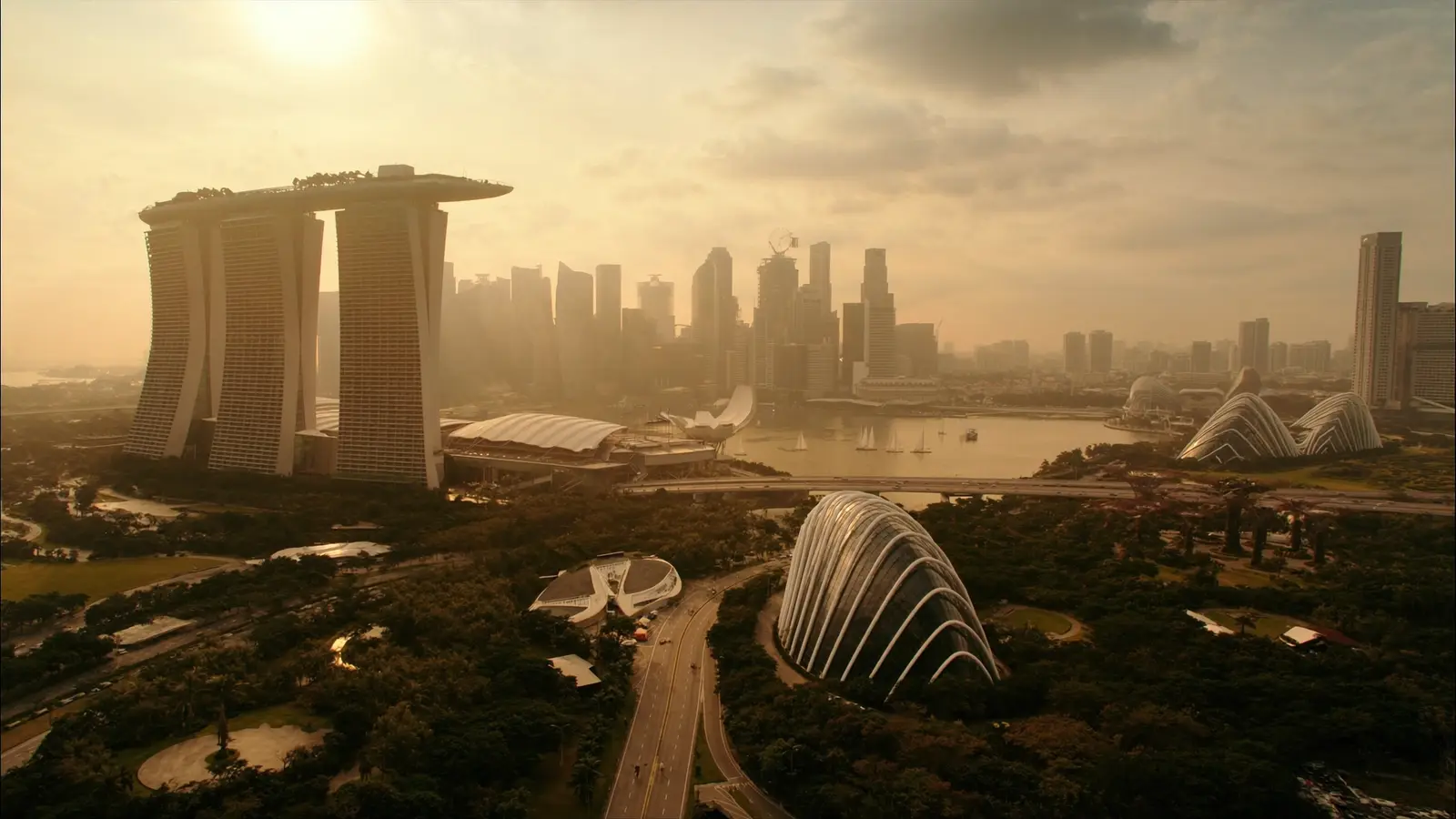
Futuristic luxury meets tropical serenity. AI-matched stays near Marina Bay and vibrant neighborhoods.
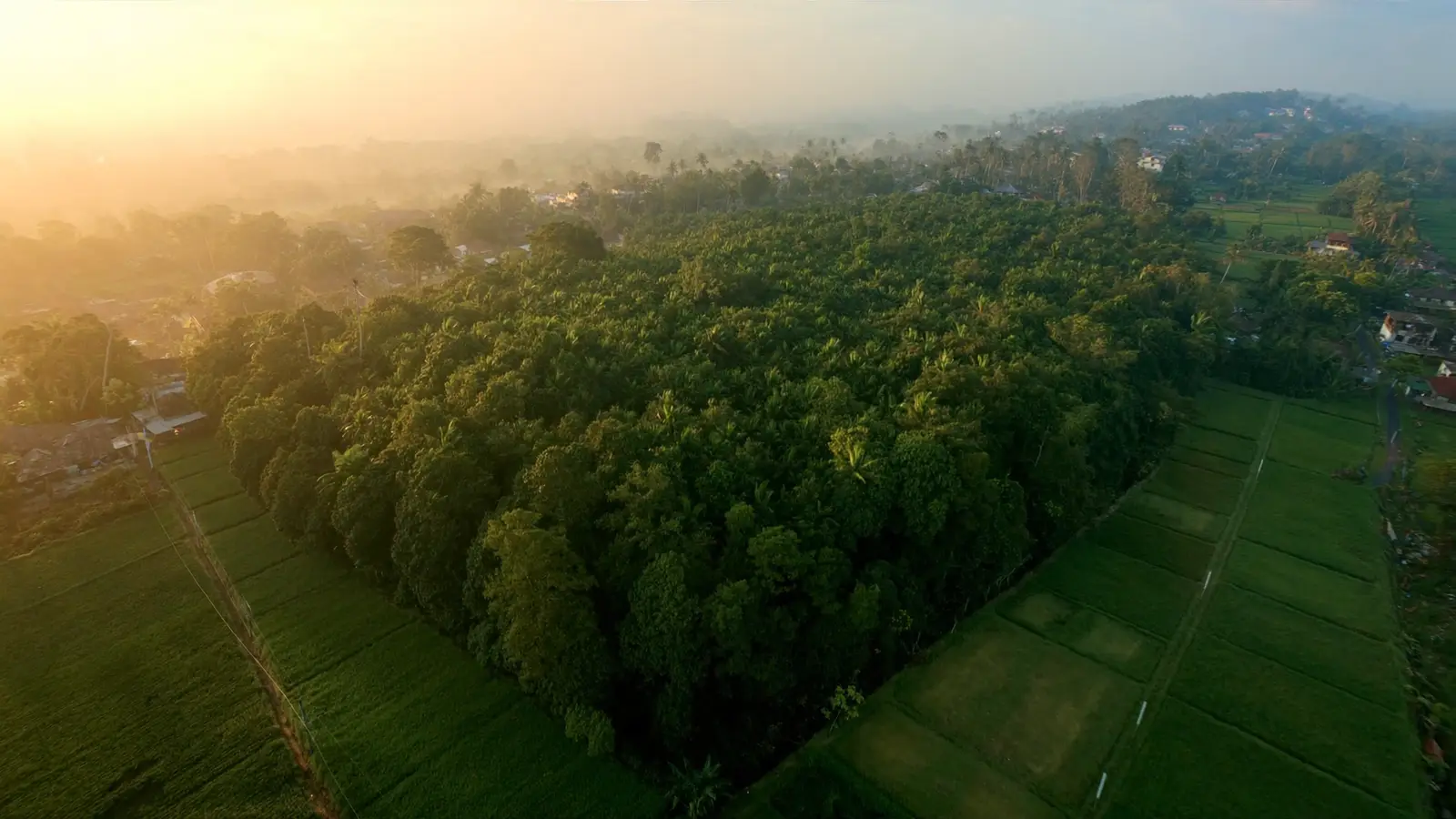
Cultural heart with rice terraces and wellness. AI-matched beautiful villas and boutique hotels.
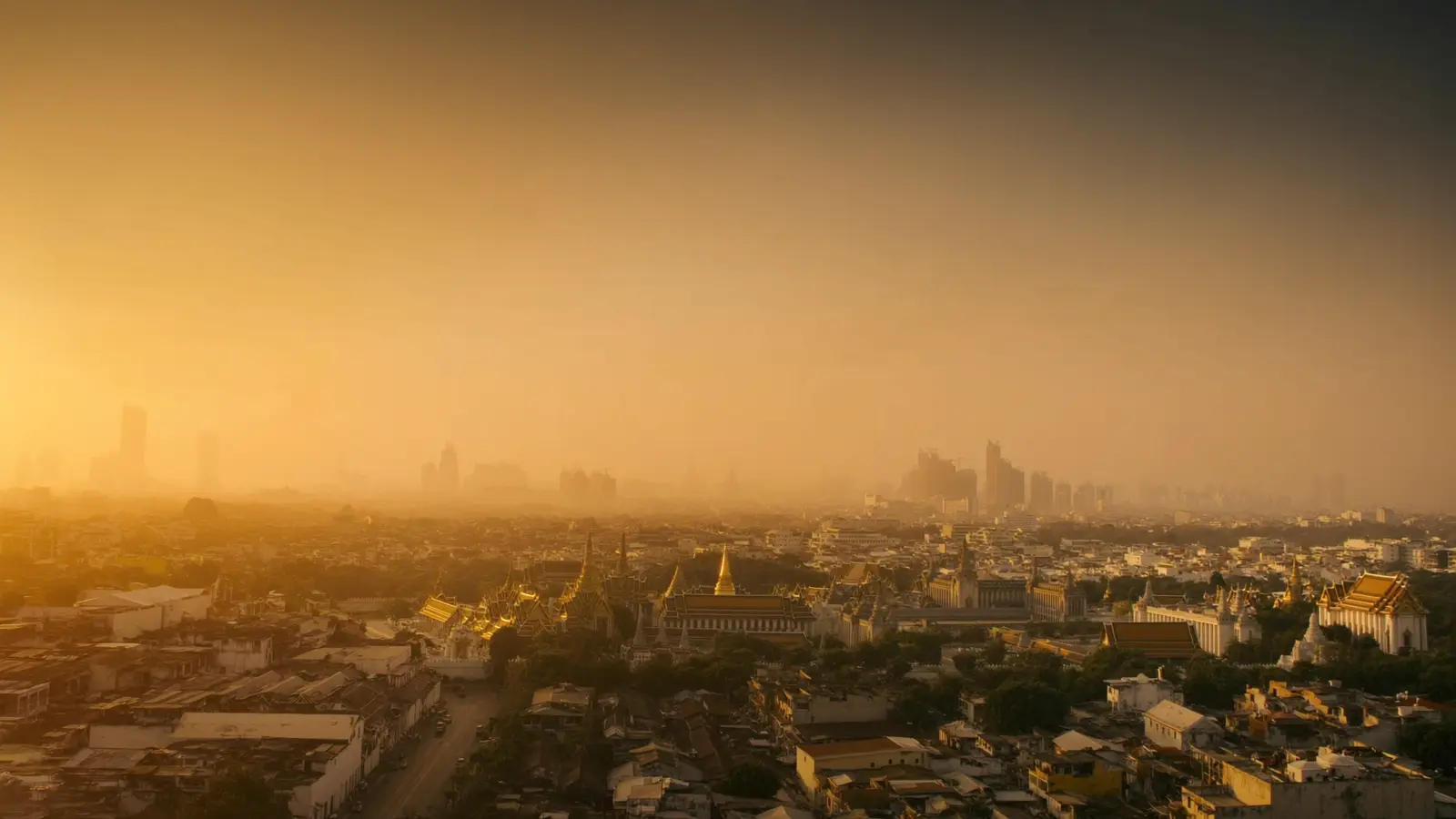
Temples, river life, and incredible food. AI-matched stays in Bangkok's best areas.
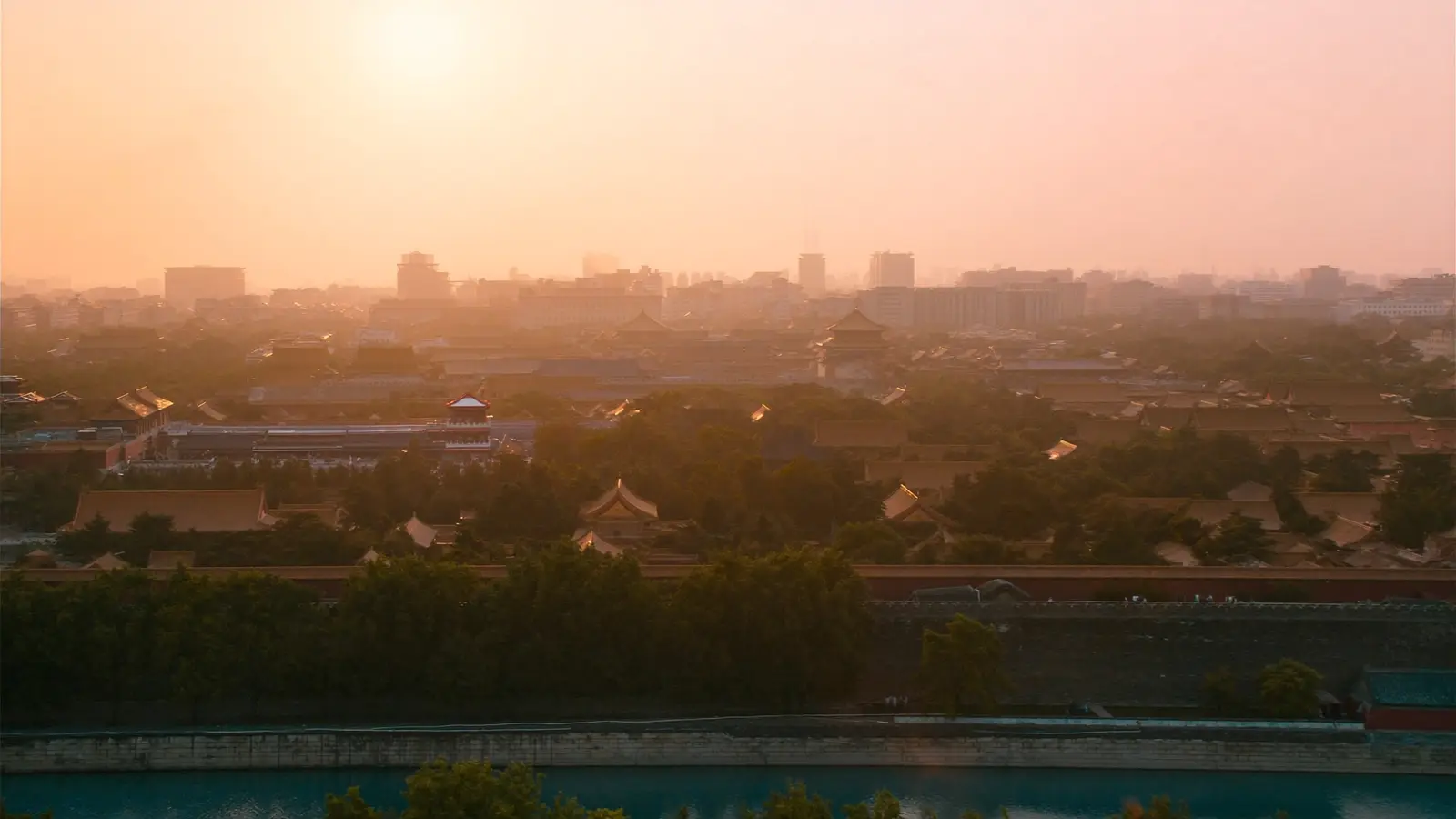
Imperial history and modern China. AI-matched stays near the Forbidden City and Great Wall.