Luxury Hotels in Marrakech,
perfectly yours.
Colors, spices, and incredible riads. AI-matched beautiful riads in the medina.
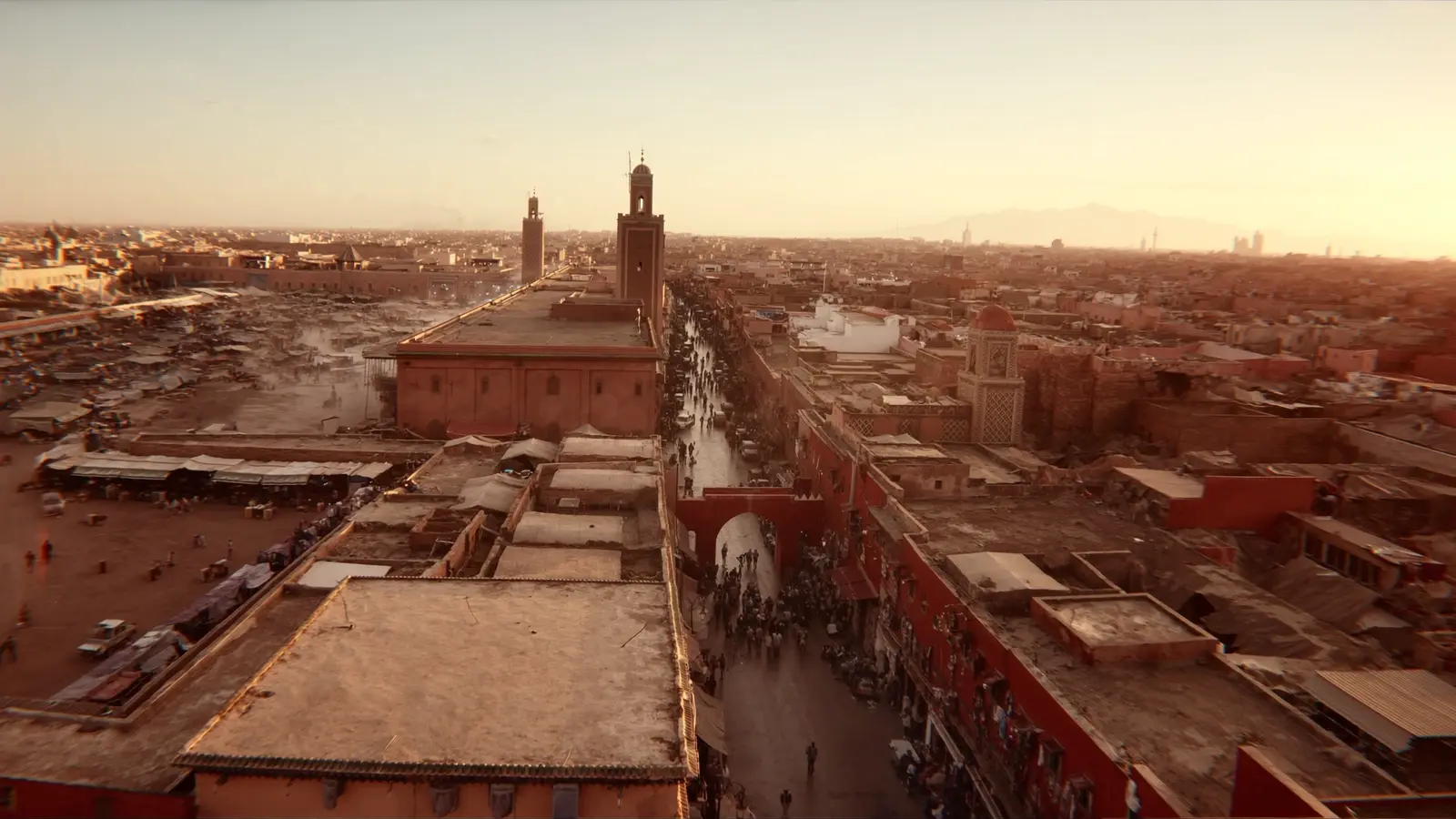
Marrakech announces itself in color: ochre walls rising from the flat Haouz plain, the cobalt blue of Majorelle Garden tucked into Gueliz, the tiled crown of the Koutoubia catching the last light of the day. Mint tea steam mixes with cumin and orange blossom in the souks, while the call to prayer rolls across the rooftops five times a day. The snow capped Atlas Mountains sit on the horizon well into spring.
By day the medina hums: donkey carts squeeze through lanes barely a shoulder wide, artisans hammer brass in doorways, and Jemaa el-Fnaa dozes under orange juice carts. By night the same square erupts into smoke and drums, storytellers and grilled skewers, a theater that has run for centuries. A short taxi away, Gueliz moves at a calmer, cafe lined pace. Spring and fall bring the kindest heat for wandering both.
Matched to the Marrakech you actually want to experience.
Marrakech splits into two very different cities, and ProAI weighs which one fits how you actually want to move. Inside the walled medina, streets narrow to footpaths that no car can enter, so a riad near Jemaa el-Fnaa or tucked into the souks means porters or handcarts for luggage and everything within walking distance, including Bahia Palace and the Kasbah's tombs. Outside the walls, Gueliz and Hivernage put you on streets a taxi or ride app can reach directly, trading a few minutes of walking for easy access to Majorelle Garden and Marrakech Menara Airport.
It also factors timing against geography: a rooftop riad angled toward the Koutoubia minaret works well for travelers who want the sunset call to prayer as their evening view, while a Hivernage property with a pool suits anyone who needs a break from the medina's midday heat before heading back into the souks. Because Jemaa el-Fnaa transforms after dark, ProAI can favor a base close enough to walk to the square for dinner without needing a car once you are already inside the old city.
Hotels near Marrakech's iconic landmarks
These are the places that define Marrakech. Here is how ProAI helps you experience them beautifully.
Jemaa el-Fnaa
Marrakech's main square and a UNESCO recognized site of intangible heritage, calm in the late morning with orange juice stalls and henna artists, then filled by dusk with grilled food stalls, musicians, and storytellers. Staying in a riad just a few lanes back inside the medina lets you step into that nightly shift on foot, while an upper floor or rooftop room keeps the square's energy close without the noise directly below your window.
Bahia Palace
Built in the late 19th century for a powerful vizier, this palace in the Kasbah district is known for carved cedar ceilings, painted stucco, and courtyards planted with orange trees and jasmine. The Kasbah is quieter than the main square but still an easy walk to Jemaa el-Fnaa, so a riad here suits travelers who also want to see the nearby Saadian Tombs, and visiting right at opening avoids the tour bus crowds.
Majorelle Garden
A botanical garden planted by French painter Jacques Majorelle in the 1920s and 1930s, later restored by Yves Saint Laurent, known for its cobalt blue pavilions, bamboo groves, and cactus collection. It sits in Gueliz, so a hotel in that district or in neighboring Hivernage puts you a short walk or quick taxi from the gates, and booking a timed morning ticket online is the best way to see it before the afternoon crowds arrive.
Koutoubia Mosque
The largest mosque in Marrakech, its 12th century Almohad minaret is the tallest structure in the old city and visible from rooftops across town, a sightline that has long shaped building height rules in the medina. Non-Muslim visitors view it from the surrounding gardens rather than entering, so a room or terrace on the medina's western edge, or in nearby Hivernage, gives you the minaret as a skyline marker at sunset.
Souks
North of Jemaa el-Fnaa, the souks unfold into a maze of covered lanes organized loosely by trade: dyers, leatherworkers, lantern makers, spice sellers, and carpet dealers each cluster in their own alleys. A riad tucked directly inside this part of the medina gives the most immersive stay, though first timers often do better arriving with a rough mental map or a guide for the first walk in, since bargaining and backtracking are both part of the experience.
Where to stay in Marrakech: best neighborhoods
Medina
The walled old city, a dense tangle of lanes inside 12th century ramparts, home to Jemaa el-Fnaa, the souks, and most of Marrakech's riads. It rewards travelers who want to be fully immersed in the sounds and smells of the city on foot, though luggage arrives by handcart from the nearest gate since cars cannot enter the narrowest lanes.
Gueliz
The Ville Nouvelle built during the French protectorate era, laid out in a grid of wide boulevards, art deco buildings, and the boutiques and cafes around Avenue Mohammed V. It suits travelers who want modern comfort, easy taxi access, and a short ride to Majorelle Garden, without giving up a base close to the old city.
Hivernage
A green, palm lined district between the medina and Gueliz, built up around gardens and hotel grounds with pools. It suits travelers who want resort style comfort and quiet streets at night while staying an easy taxi ride from Jemaa el-Fnaa and a walkable distance to the Koutoubia.
Let ProAI find your perfect Marrakech hotel.
Tell us your dates and what matters most: landmark proximity, view, vibe, or budget. Our AI will curate the best options for you.
Plan the rest of your Marrakech trip
Our concierge team can arrange every part of your stay near Jemaa el-Fnaa, not just the room.
Frequently asked questions about Marrakech hotels
What is the best area to stay in Marrakech?
When is the best time to visit Marrakech?
How do you get around Marrakech, especially near Jemaa el-Fnaa?
More in Africa
All destinations →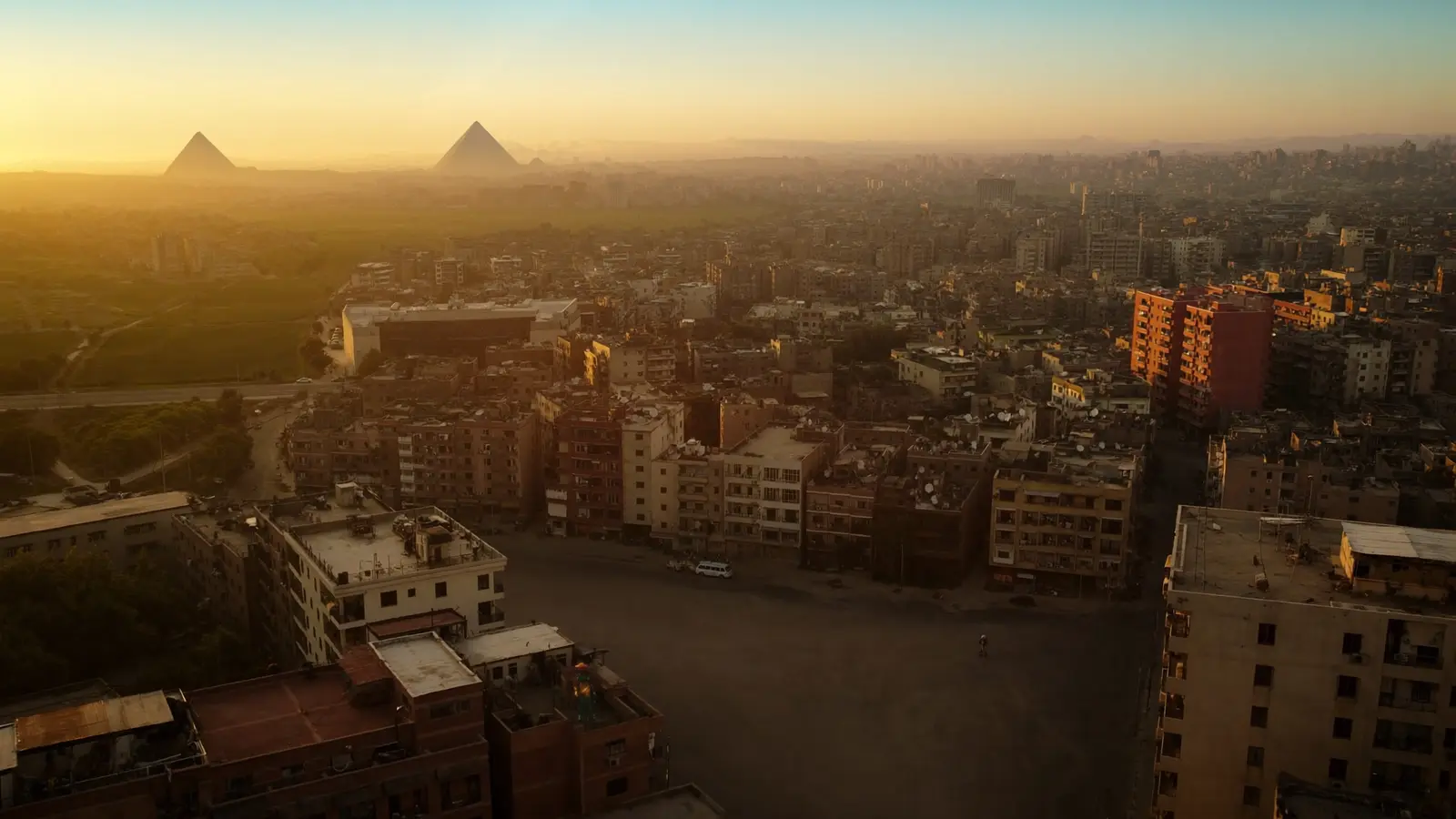
Gateway to the Pyramids. AI-matched stays with Nile views and easy access to ancient wonders.
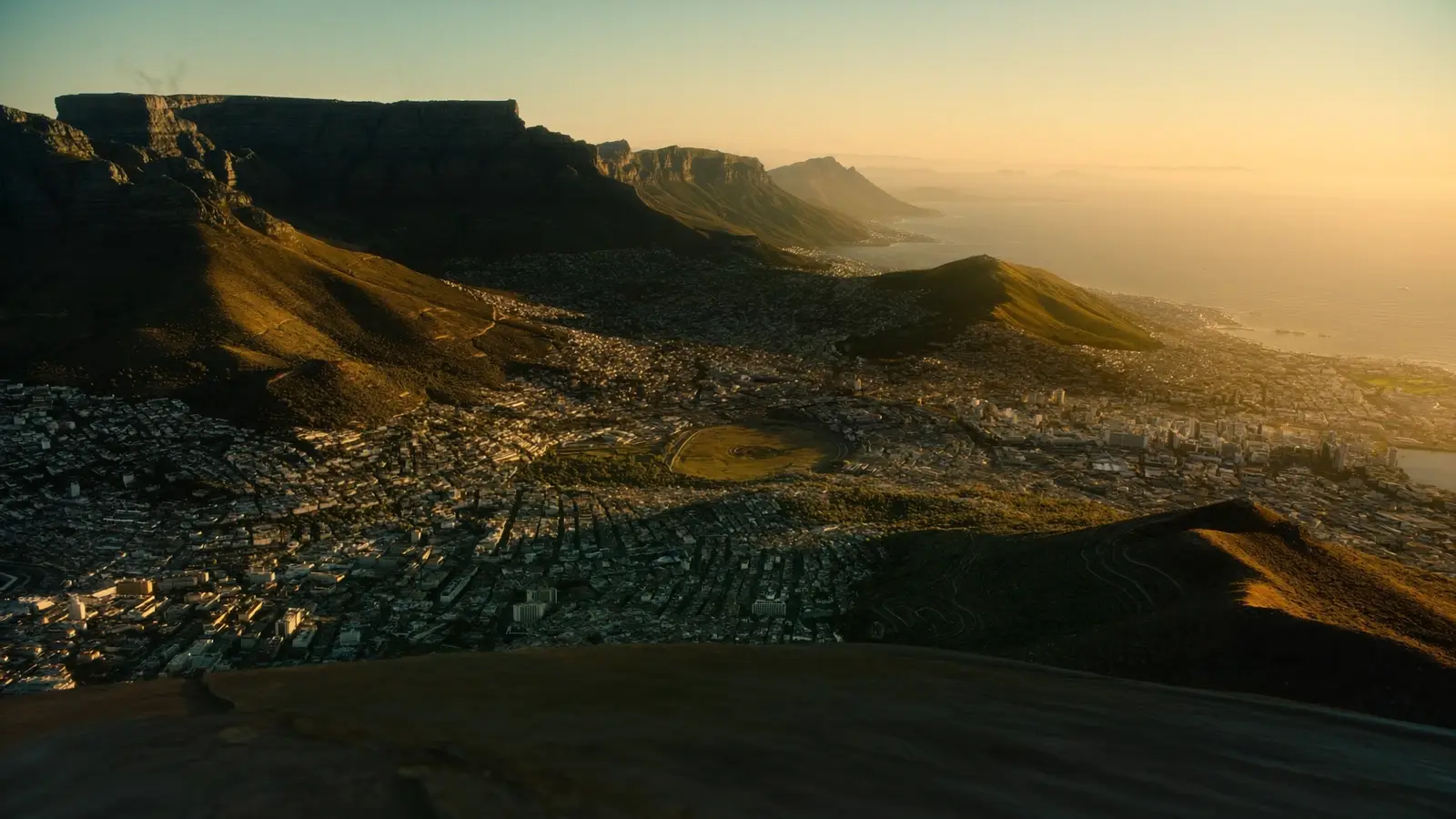
Table Mountain, beaches, and wine country. AI-matched luxury with the best views.
History, culture, and safari gateway. AI-matched secure luxury in Sandton.
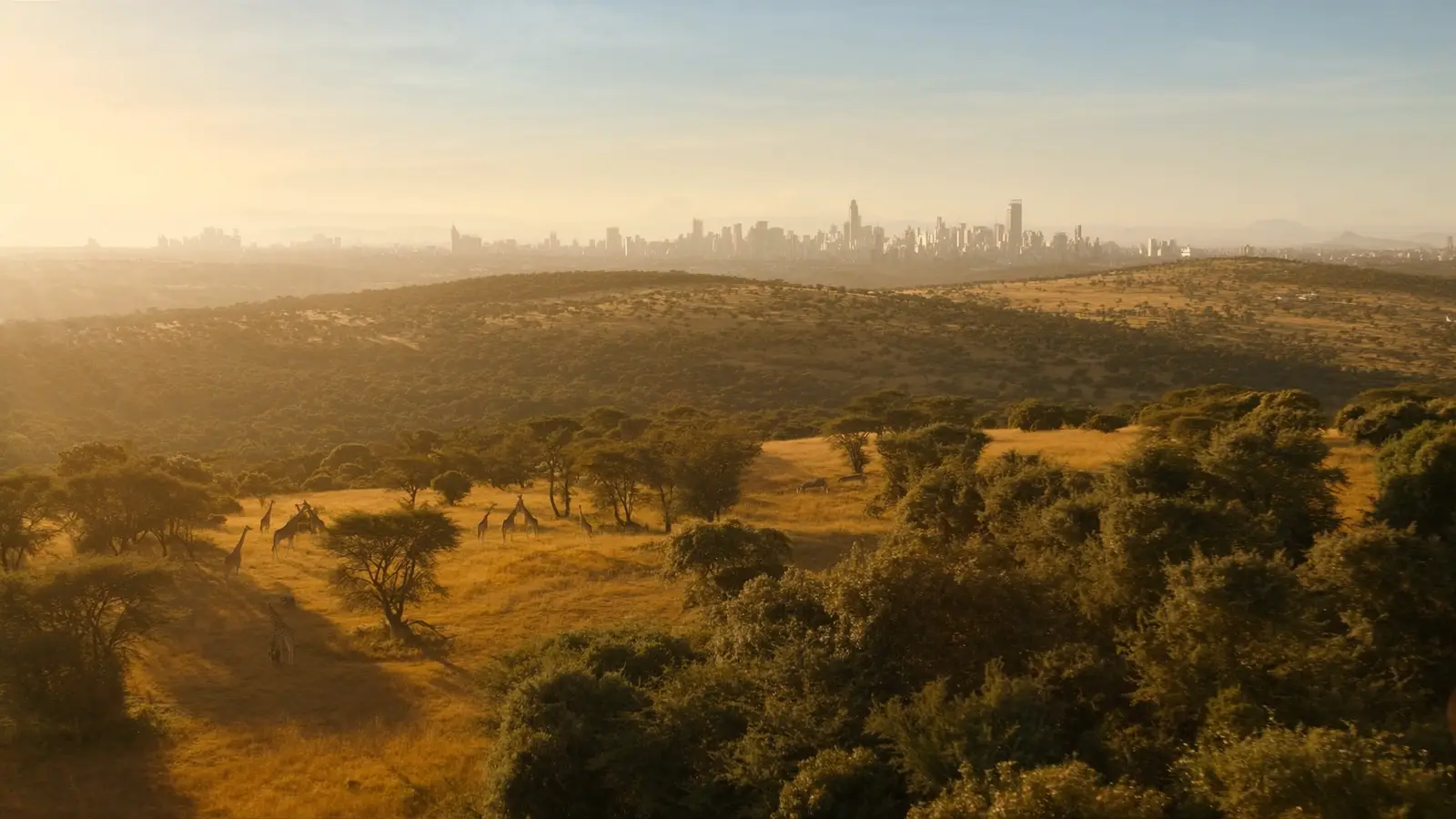
Safari gateway with city wildlife. AI-matched luxury near Nairobi National Park.