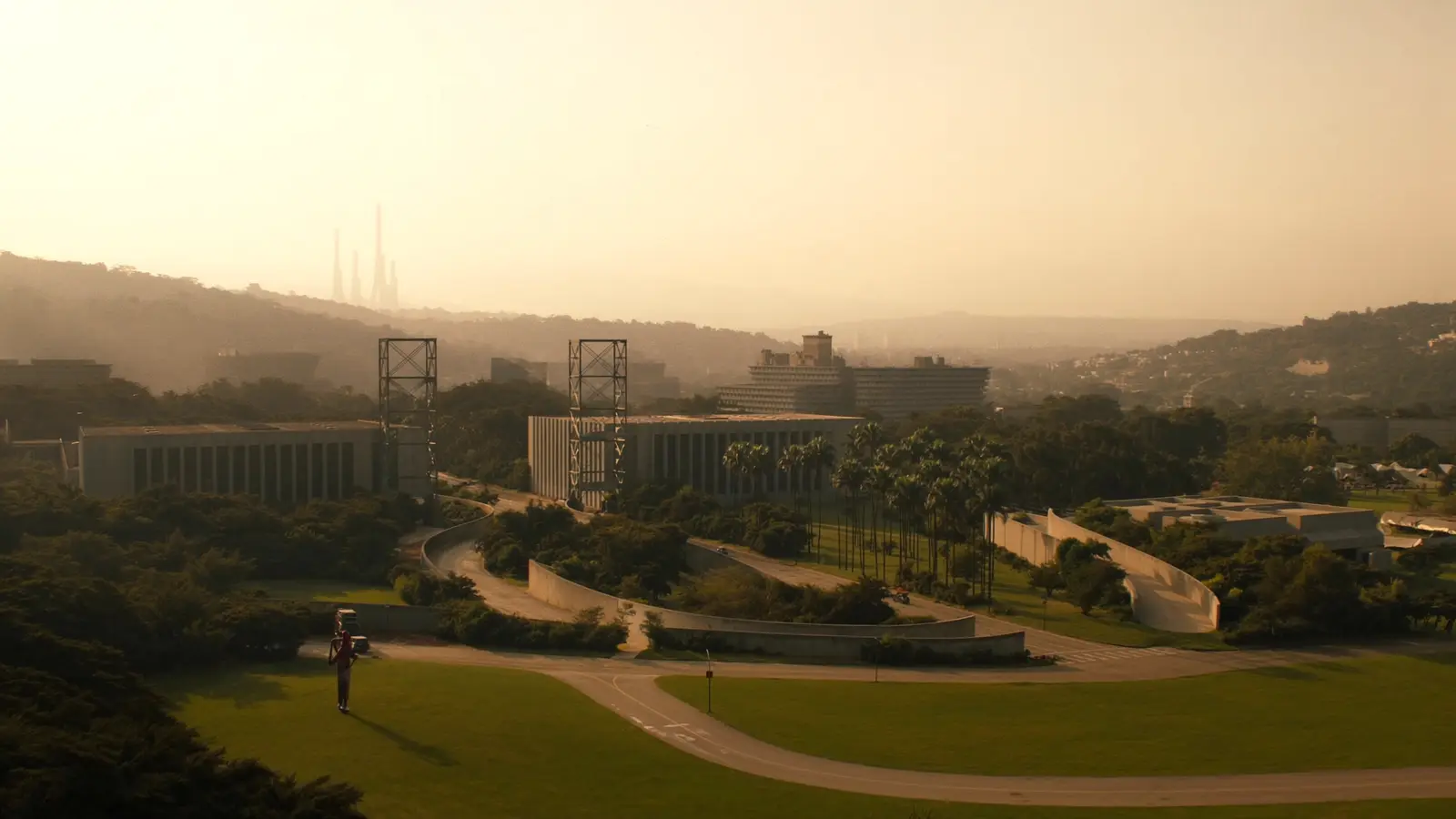
Luxury Hotels in Johannesburg,
perfectly yours.
History, culture, and safari gateway. AI-matched secure luxury in Sandton.
Johannesburg runs on altitude and reinvention. Sitting nearly six thousand feet up on the highveld, the city trades humidity for crisp mornings, thunderous summer storms, and a jacaranda bloom each October that turns entire suburbs violet. This is South Africa's economic engine, built on gold and rebuilt several times over, and it shows in the skyline's mix of mining-era facades and glass towers.
Layers define the place more than any single postcard view. You move from the leafy calm of northern suburbs to the dense, storied streets of Soweto, from repurposed warehouses filled with galleries to a downtown still working through its own history. Johannesburg rewards travelers who come curious about that complexity, not just passing through on the way to safari.
Matched to the Johannesburg you actually want to experience.
ProAI weighs how Johannesburg actually functions before it recommends a base. Sandton sits apart from the older city center, connected by the Gautrain rapid rail, and functions almost like its own self-contained district of towers, malls, and conference space. If your days are built around business meetings or Nelson Mandela Square shopping, our matching favors that northern cluster over anywhere requiring long drives through unfamiliar routes after dark.
History-focused travelers get a different map entirely. Staying within reach of the Apartheid Museum, Gold Reef City, and Constitution Hill means weighing daytime access against the reality that Johannesburg's inner-city and southern districts are best explored on organized routes rather than solo evening walks. ProAI factors in that distinction, steering you toward properties and guided access points that put Soweto's Vilakazi Street or the old Number Four prison within a short, sensible transfer rather than a cross-city trek.
Hotels near Johannesburg's iconic landmarks
These are the places that define Johannesburg. Here is how ProAI helps you experience them beautifully.
Apartheid Museum
Widely regarded as one of the most thorough records of South Africa's segregation era and the struggle that ended it, this museum uses original footage, photographs, and first-person testimony rather than staged exhibits. Plan a half day here at minimum, ideally on a weekday morning when galleries are quieter. It sits near Gold Reef City in the south, so pairing a stay in that pocket or arranging transport from Sandton works better than trying to walk in.
Soweto
South West Township is a sprawling, historic community that shaped the anti-apartheid movement, and a guided tour along Vilakazi Street, where two Nobel laureates once lived, remains the most respectful way to experience it. Boutique guesthouses run by local hosts offer a far more personal stay than any hotel chain could. Mornings suit visits best, giving you time to see the community active before afternoon heat sets in.
Gold Reef City
Built around a former working gold mine, this theme park blends rollercoasters with underground tours that explain how Johannesburg was founded in the first place. It suits families or travelers wanting a lighter afternoon after museum-heavy mornings nearby. Its southern location makes it a natural pairing with the Apartheid Museum rather than a standalone day trip from the north.
Sandton
Often called Africa's richest square mile, Sandton is Johannesburg's business and shopping core, anchored by Nelson Mandela Square and a dense cluster of high-rise hotels and offices. It is the most walkable, consistently secure base for business travelers and anyone prioritizing convenience over historical immersion. The Gautrain station here makes day trips into the city center or out to O.R. Tambo airport straightforward without needing a car.
Constitution Hill
A former prison and military fort turned home to South Africa's Constitutional Court, this site traces the country's journey from Mandela's imprisonment to its modern legal foundation through preserved cells and exhibits. It borders Braamfontein, whose student energy and creative cafes make for a good adjacent stay if you want walkable access. Visit during daylight hours and combine it with a guided Braamfontein wander rather than an evening outing.
Where to stay in Johannesburg: best neighborhoods
Melville
A leafy, low-rise pocket near the University of Johannesburg known for its independent bookshops, jazz bars, and 7th Street strip of restaurants. It suits travelers who want a residential, walkable feel with easy access to Auckland Park's studios and a slower pace than Sandton. Evenings here lean toward long dinners rather than nightlife spectacle.
Maboneng Precinct
A regenerated inner-city district of converted warehouses, street art, rooftop bars, and a Sunday market that draws creatives from across the city. It appeals to design-minded travelers comfortable with an urban, still-evolving setting rather than polished suburbia. Daytime visits are easy; arriving and leaving with arranged transport is the standard approach here.
Rosebank
A polished node between Sandton and the city center, built around open-air art and craft markets, mall-based shopping, and its own Gautrain stop. It suits travelers who want Sandton-level convenience with a bit more character and pedestrian street life. Weekend mornings at the rooftop market are a local highlight worth timing a stay around.
Let ProAI find your perfect Johannesburg hotel.
Tell us your dates and what matters most: landmark proximity, view, vibe, or budget. Our AI will curate the best options for you.
Plan the rest of your Johannesburg trip
Our concierge team can arrange every part of your stay near Apartheid Museum, not just the room.
Frequently asked questions about Johannesburg hotels
What is the best area to stay in Johannesburg?
When is the best time to visit Johannesburg?
How do you get around Johannesburg and visit key landmarks safely?
More in Africa
All destinations →
Gateway to the Pyramids. AI-matched stays with Nile views and easy access to ancient wonders.
Table Mountain, beaches, and wine country. AI-matched luxury with the best views.
Colors, spices, and incredible riads. AI-matched beautiful riads in the medina.
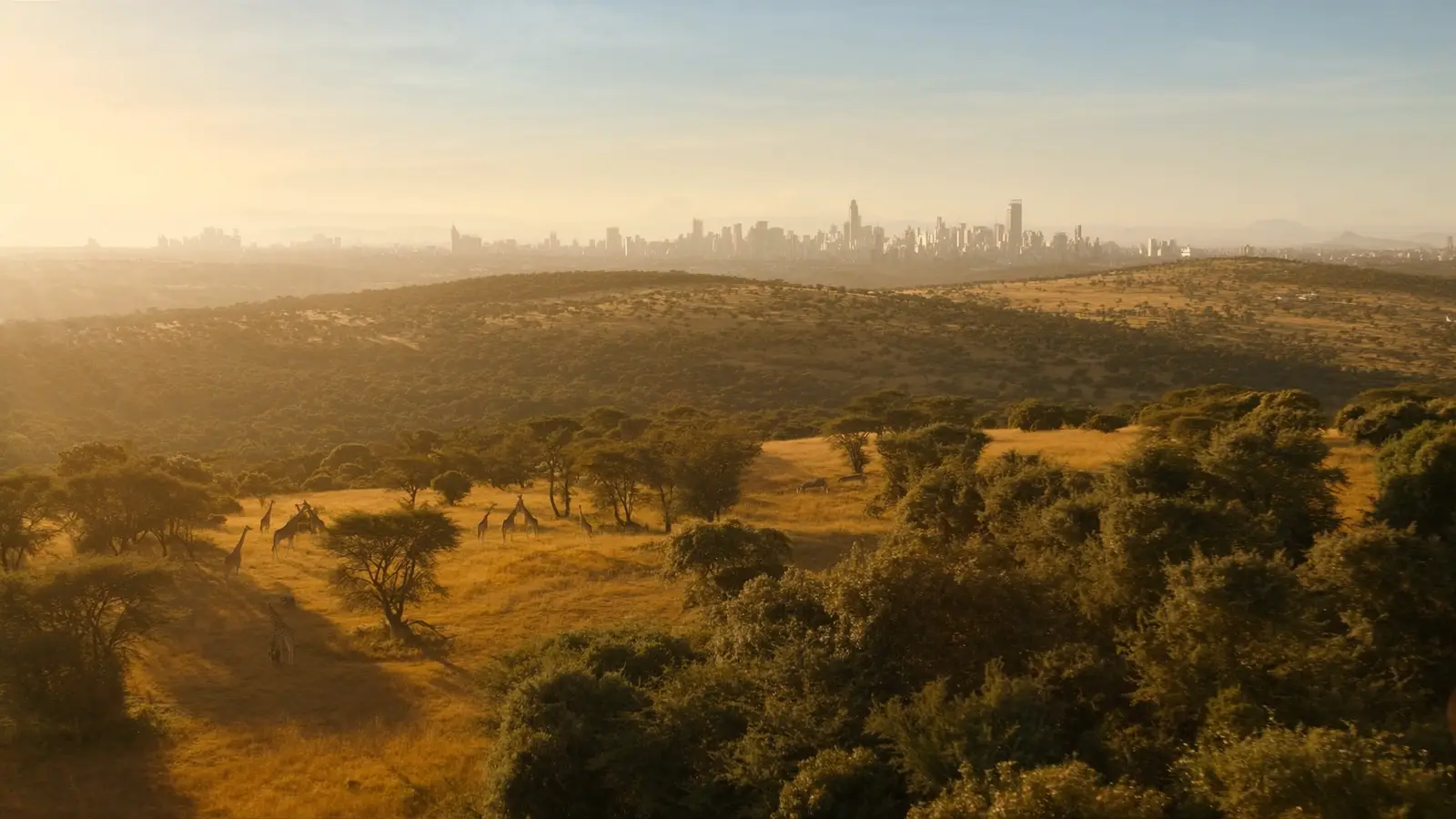
Safari gateway with city wildlife. AI-matched luxury near Nairobi National Park.