Luxury Hotels in Lisbon,
perfectly yours.
Hills, trams, and pastel de nata. AI-matched charm in Alfama and beyond.
Lisbon rewards travelers who do not mind a hill. The city climbs across seven of them in a patchwork of pastel facades, hand-painted azulejo tiles, and cobblestone calcada that catches soft light in the late afternoon. Yellow trams grind up impossibly steep lanes, fado drifts from tavern windows after dark, and the wide Tagus River glints at the bottom of nearly every street you descend.
Spring and early autumn are Lisbon at its best, warm enough for rooftop miradouros and cool enough to actually walk the hills without wilting. Summer brings crowds and heat that pushes everyone toward the river and the beaches of Cascais, while winter stays mild and quiet enough to have the viewpoints almost to yourself. Whatever the season, the city moves at an unhurried pace that invites you to slow down too.
Matched to the Lisbon you actually want to experience.
ProAI Hotels reads Lisbon's geography before it recommends a single stay. Base yourself in Alfama and you trade elevator access for centuries of narrow lanes and fado houses right outside your door; choose Belem and you get riverside calm with the monastery and tower a short walk away but a tram or taxi ride from downtown nightlife. Our matching weighs how much hill climbing you actually want to do.
The city's transit shapes where you should sleep. The number 28 tram threads Graca, Alfama, and Baixa in one iconic loop, so a hotel near any of its stops keeps sightseeing simple without a rental car. Travelers planning a Sintra day trip do better based near Rossio or the Baixa-Chiado area, close to the train that reaches Sintra's palaces in under an hour, while creative types drawn to LX Factory often prefer riverside Alcantara for its warehouse energy and quick tram access into the historic center.
Hotels near Lisbon's iconic landmarks
These are the places that define Lisbon. Here is how ProAI helps you experience them beautifully.
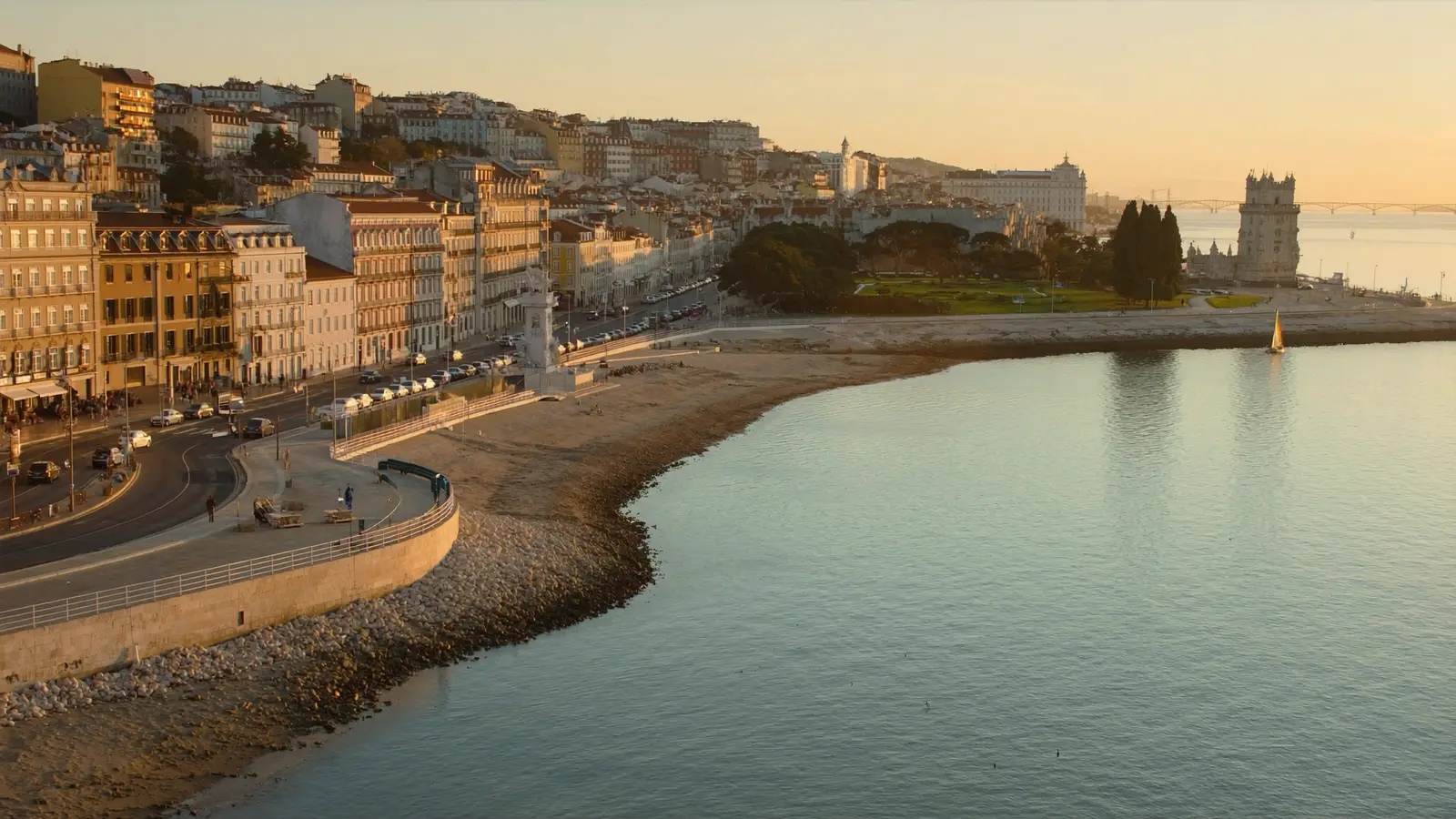
Belem Tower
Belem Tower is the fortified 16th century tower that once guarded ships sailing out on the Age of Discoveries. It sits right on the Tagus waterfront alongside the Jeronimos Monastery, in a flatter, quieter district a few miles from central Lisbon. Stay in Belem itself for riverside calm and easy morning access before the tour groups arrive, or in nearby Ajuda for a similar setting with a shorter walk to local restaurants.
Alfama
Alfama is Lisbon's oldest neighborhood, a maze of medieval alleys, tiled facades, and small fado bars that climbs steeply from the river toward Sao Jorge Castle. It has almost no straight streets and few elevators, so staying here means real stairs but also the most atmospheric mornings in the city. Choose a small boutique guesthouse tucked into the hillside if you want to wake up inside the postcard rather than commute to it.
Tram 28
Tram 28 is the yellow vintage streetcar that rattles through Graca, Alfama, Baixa, and Estrela on one of the most scenic short rides in Europe. It is a working transit line, not a tourist attraction, so it gets crowded fast and pickpockets know its route well. Staying anywhere along its stops, particularly in Baixa or Graca, means you can hop on for sightseeing and hop off again without planning around it.
Sintra (day trip)
Sintra is a fairy tale hill town about forty minutes from central Lisbon by train, packed with romantic palaces like Pena Palace and the Moorish Castle above town. Most visitors treat it as a full day out rather than an overnight, since the palaces and gardens easily fill six or more hours. Base yourself near Rossio Station or Oriente in Lisbon for the simplest direct train connection, and start early since Sintra's narrow streets and palace lines fill up by midmorning.
LX Factory
LX Factory is a former industrial complex under the 25 de Abril Bridge, now packed with independent shops, murals, rooftop bars, and one of the city's most photographed bookstores. It draws a younger, creative crowd and comes alive in the evenings and on weekends. Staying in the adjoining Alcantara district puts you within walking distance and close to tram lines back into central Lisbon, a good pick for travelers who want nightlife without paying downtown prices.
Where to stay in Lisbon: best neighborhoods
Chiado
Chiado is Lisbon's elegant literary quarter, full of grand cafes, bookshops, and 19th century theaters just uphill from the river. It sits centrally between Baixa and Bairro Alto, so everything from the castle to the best restaurants is within an easy walk. It suits travelers who want a walkable, upscale base with easy access to shopping and culture without needing taxis or trams for daily errands.
Principe Real
Principe Real is a leafy, fashionable pocket north of Bairro Alto, known for its garden square, vintage boutiques, and a growing concentration of design-forward restaurants and wine bars. It feels calmer and more residential than the historic center while still being a short walk from it. This is the neighborhood for travelers who want a stylish, low-key base with excellent food and less foot traffic after dark.
Bairro Alto
Bairro Alto is Lisbon's nightlife district by night and a quiet grid of narrow residential streets by day, packed with small bars that spill onto the sidewalks after sundown. It sits on a hill between Chiado and the river, an easy walk to most central sights. It suits travelers who want to be in the middle of the action and do not mind noise on weekend nights.
Let ProAI find your perfect Lisbon hotel.
Tell us your dates and what matters most: landmark proximity, view, vibe, or budget. Our AI will curate the best options for you.
Plan the rest of your Lisbon trip
Our concierge team can arrange every part of your stay near Belem Tower, not just the room.
Frequently asked questions about Lisbon hotels
What is the best area to stay in Lisbon?
When is the best time to visit Lisbon?
How do you get around Lisbon and reach the Sintra day trip easily?
More in Europe
All destinations →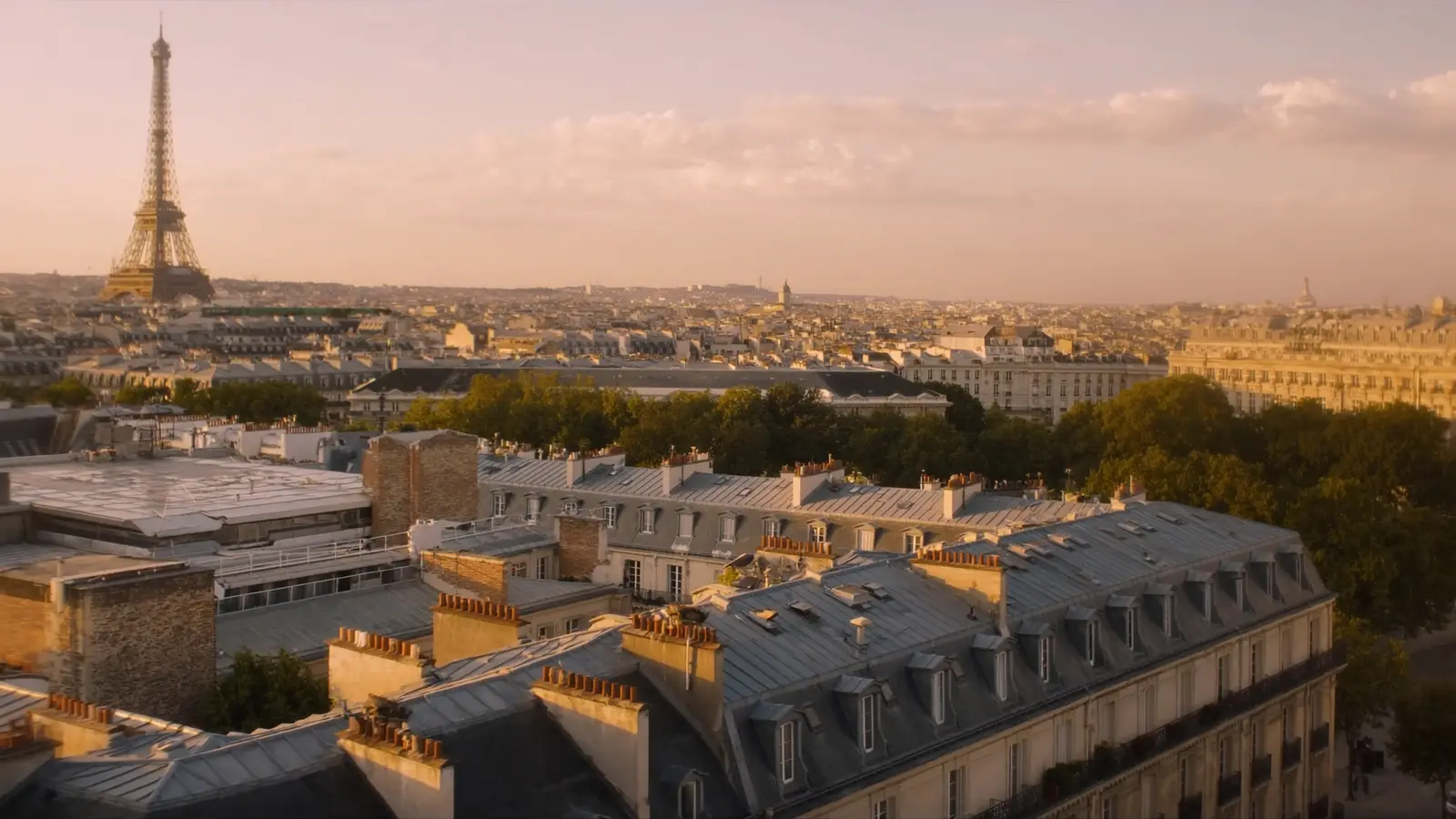
Timeless elegance near the Eiffel Tower, Louvre, and the neighborhoods that make Paris unforgettable.
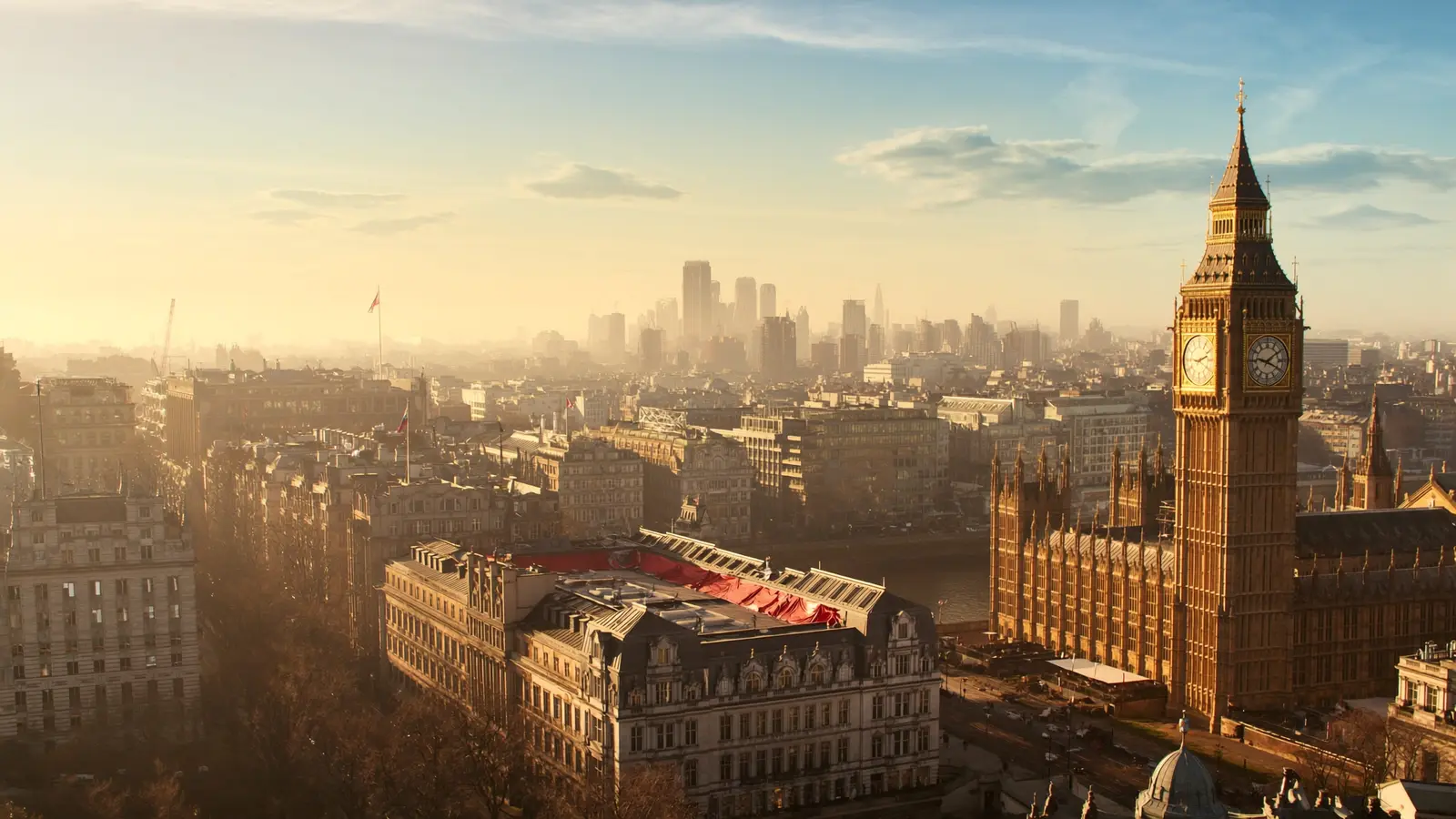
Royal heritage, West End theatre, and modern innovation, perfectly placed stays.
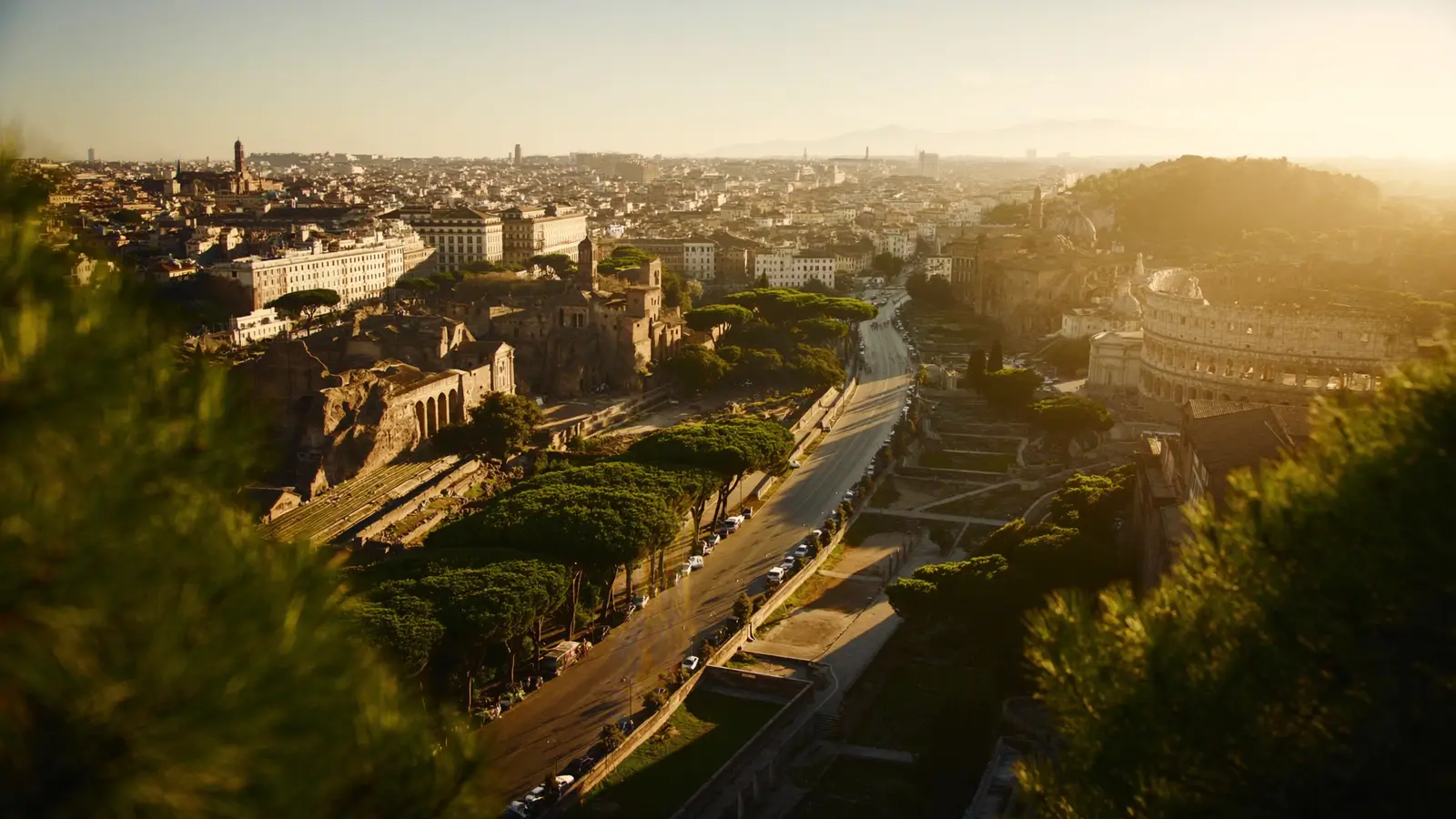
The Eternal City awaits. AI-matched stays near the Colosseum, Vatican, and timeless neighborhoods.
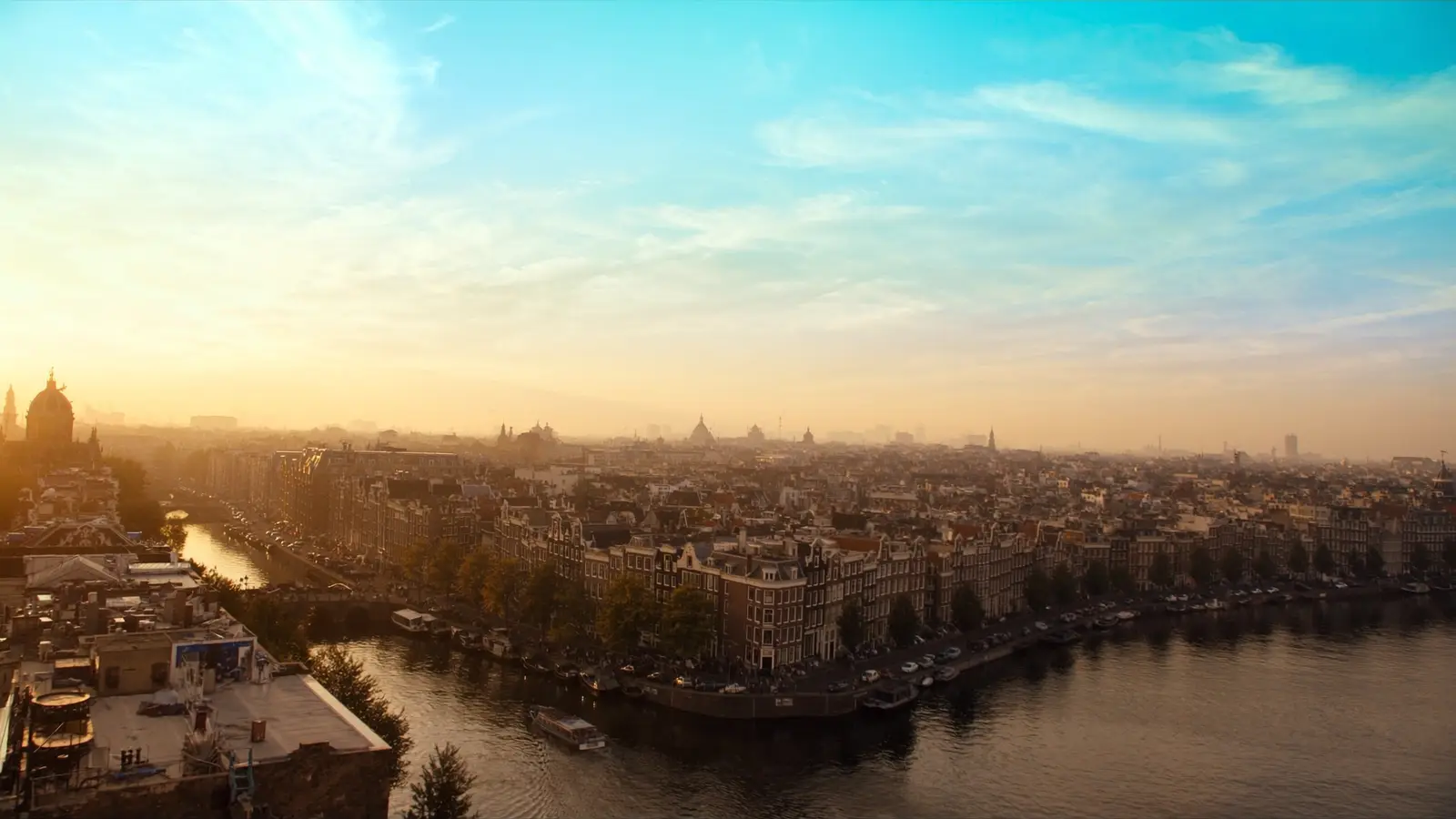
Canal-side charm and world-class museums. AI-matched stays in the heart of Amsterdam.