Luxury Hotels in Kyoto,
perfectly yours.
Temples, geisha, and bamboo groves. AI-matched traditional and modern elegance.
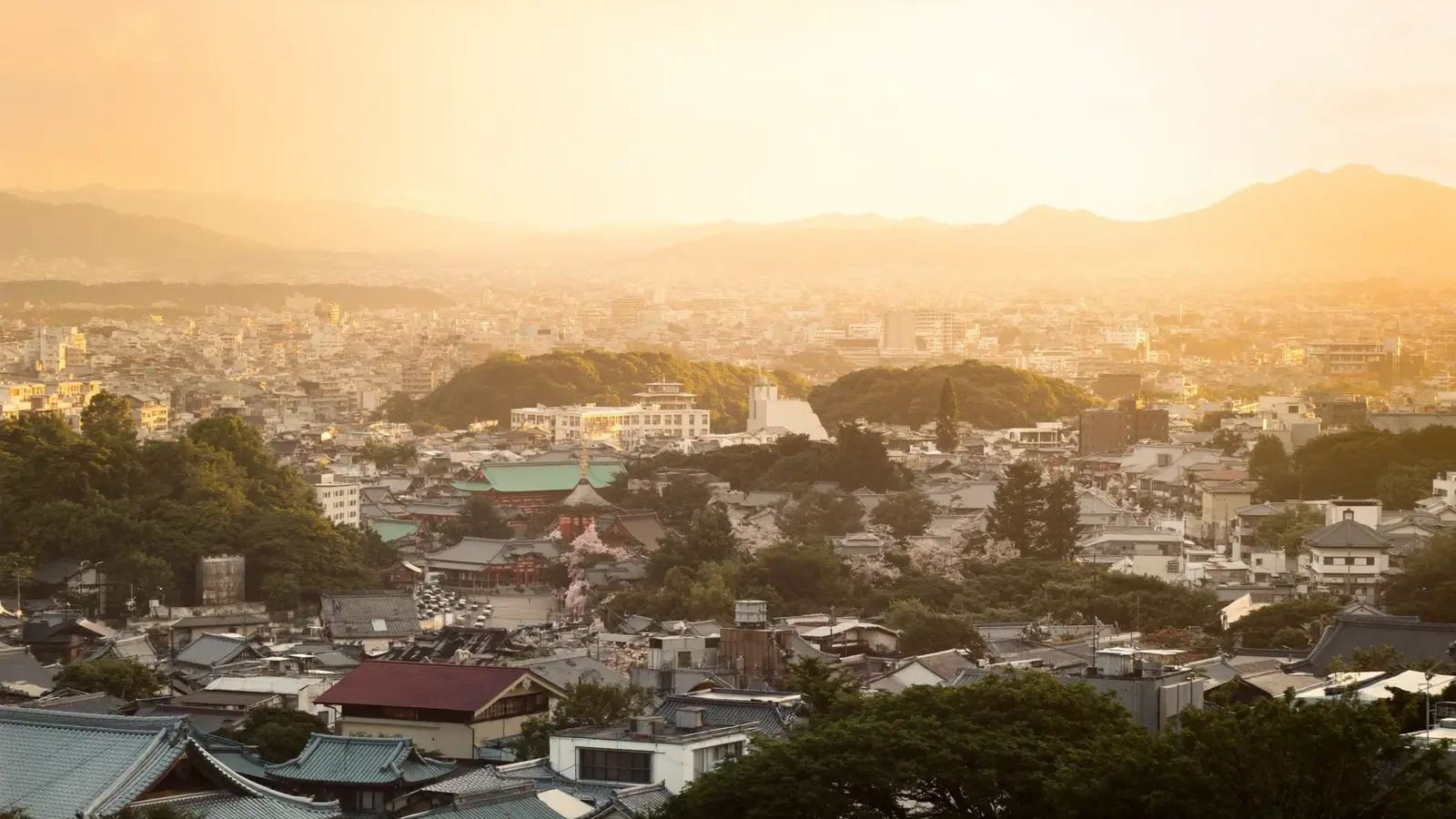
Kyoto moves at the pace of incense curling from a thousand-year-old shrine. You wander past wooden machiya townhouses at dawn, catch the scent of hinoki cypress baths, and watch monks rake gravel gardens before the crowds arrive. Spring lines the Kamo River with cherry blossoms, and autumn sets the eastern hills ablaze with maple. This is Japan's cultural heart, unhurried and deliberate.
Beyond the postcard temples, Kyoto rewards travelers who slow down: a bowl of yudofu in a quiet alley, a potter's studio behind a weathered torii gate, a geiko slipping into a Gion teahouse at dusk. The city's compact rail and bus network puts centuries-old wonders within easy reach of contemporary ryokan and boutique hotels, so you can chase tradition by day and rest in quiet comfort by night.
Matched to the Kyoto you actually want to experience.
ProAI Hotels studies Kyoto's layout, ward by ward, to match you with a stay that fits your itinerary rather than a generic city center. Travelers chasing sunrise at Fushimi Inari Shrine are matched to properties near Kyoto Station or the Fushimi ward, where the JR Nara Line and early buses reach the thousand torii gates before the tour groups. Those drawn to Kinkaku-ji and the northern temple circuit are steered toward quieter ryokan in Kitayama and Kinugasa, a short bus ride from the Golden Pavilion and its wooded hills.
For travelers set on Gion's lantern-lit lanes and the hillside views from Kiyomizu-dera, our matching favors machiya inns and boutique hotels in Higashiyama, walkable to both landmarks and to evening strolls along the Kamo River. If the Arashiyama Bamboo Grove is the priority, we point toward the calmer Sagano side of the city, west of the center, where riverside ryokan trade downtown convenience for quiet mornings and early light through the bamboo before the day trippers arrive.
Hotels near Kyoto's iconic landmarks
These are the places that define Kyoto. Here is how ProAI helps you experience them beautifully.
Fushimi Inari Shrine
This Shinto shrine at the base of Mount Inari is famous for its tunnels of thousands of vermillion torii gates climbing the wooded slopes, each donated by a business seeking favor from the rice deity Inari. Stay near Kyoto Station or in the Fushimi ward for the shortest ride on the JR Nara Line, and start the climb at dawn to walk the gates in near silence before the tour buses arrive.
Kinkaku-ji
Kyoto's Golden Pavilion is a Zen temple sheathed in gold leaf that mirrors perfectly in the pond before it, the centerpiece of a strolling garden built to be viewed from set points along its path. Book a ryokan or hotel in the quieter Kitayama or Kinugasa area to the north, and time your visit for early morning or the last hour before closing, when the light on the gold is softest.
Arashiyama Bamboo Grove
A towering, sunlit corridor of bamboo on Kyoto's western edge, this grove sits beside the Togetsukyo Bridge and the temples of Tenryu-ji, with the Hozu River running alongside for scenic boat rides. Choose a riverside ryokan in the Sagano-Arashiyama district if you want the path to yourself at first light, or stay central and ride the scenic train out for a half-day escape.
Gion District
Kyoto's most storied geisha district is a grid of preserved wooden machiya, teahouses, and the stone-paved Hanamikoji street, where a geiko or maiko might still be spotted hurrying to an evening appointment. A boutique machiya inn in Higashiyama puts you in the neighborhood after the day-trip crowds thin out, close to Yasaka Shrine and the restaurants along the Shirakawa canal.
Kiyomizu-dera
This UNESCO-listed wooden temple is built into a hillside above the city, its famous stage constructed without a single nail and offering sweeping views over Kyoto's rooftops and, in season, the surrounding maple trees. Stay in Higashiyama near the sloped lanes of Sannenzaka and Ninenzaka so you can walk up before opening or return for evening illuminations without a long transit ride back.
Where to stay in Kyoto: best neighborhoods
Higashiyama
A hillside district of stone-paved lanes, preserved wooden storefronts, and temples stacked one after another, Higashiyama is Kyoto's most walkable concentration of classic sights. It suits first-time visitors who want to step out the door and be surrounded by traditional Kyoto immediately, with Kiyomizu-dera and Gion both within easy reach on foot.
Pontocho
A narrow, lantern-lit alley running parallel to the Kamo River, Pontocho is packed with tiny izakaya, kaiseki restaurants, and riverside dining decks in summer. It suits food-focused travelers and couples who want to be steps from Kyoto's best evening dining and within walking distance of both Gion and central Kawaramachi.
Nishijin
Home to Kyoto's centuries-old silk weaving trade, Nishijin is a quieter grid of machiya workshops, small textile museums, and residential streets north of the tourist core. It suits travelers who have visited Kyoto before and want an authentic, unhurried neighborhood with fewer crowds, still a short bus ride from the main temple circuit.
Let ProAI find your perfect Kyoto hotel.
Tell us your dates and what matters most: landmark proximity, view, vibe, or budget. Our AI will curate the best options for you.
Plan the rest of your Kyoto trip
Our concierge team can arrange every part of your stay near Fushimi Inari Shrine, not just the room.
Frequently asked questions about Kyoto hotels
What is the best area to stay in Kyoto?
When is the best time to visit Kyoto?
How do you get around Kyoto and reach Fushimi Inari Shrine?
More in Asia
All destinations →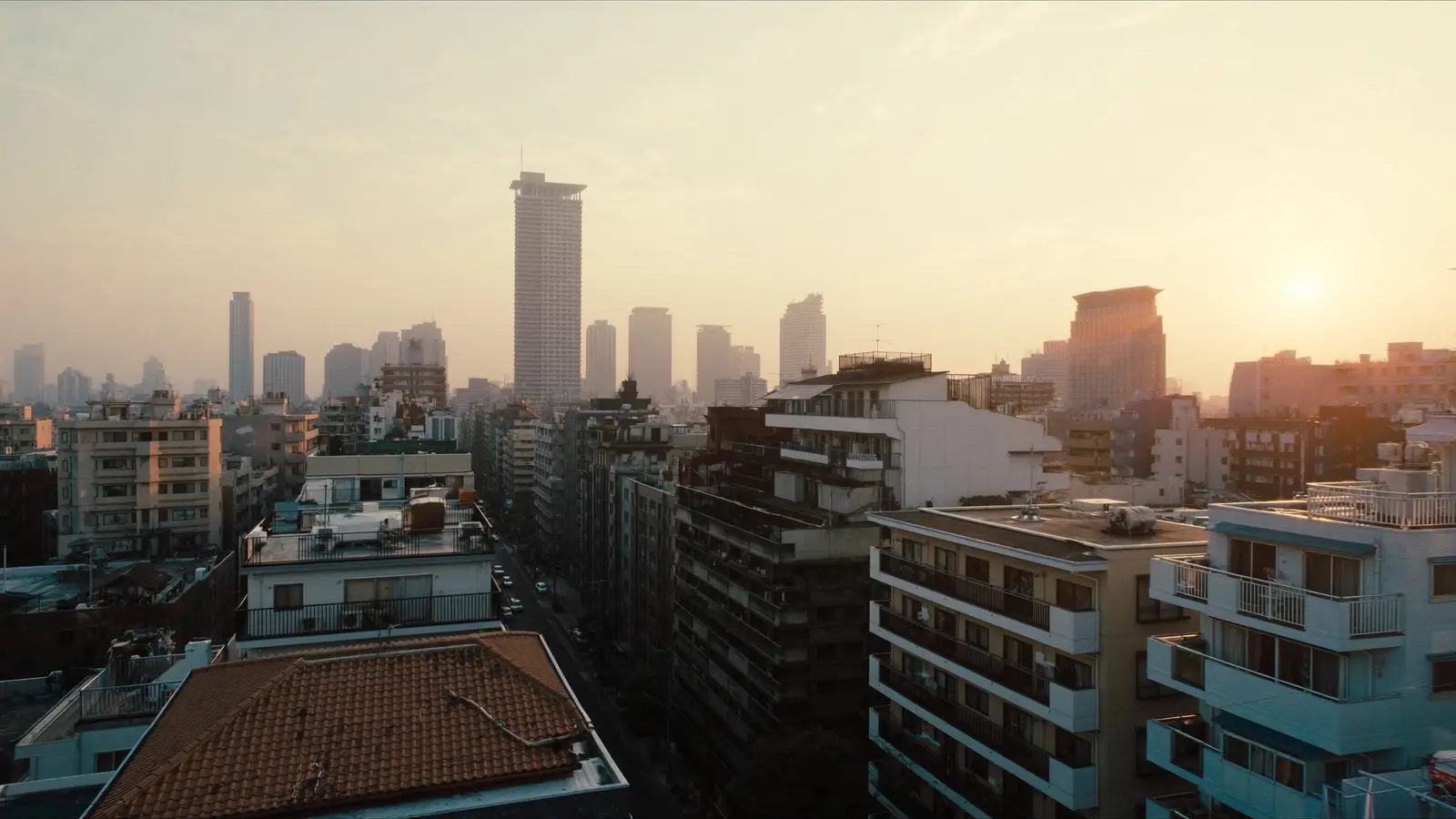
Where ancient temples meet futuristic energy, AI-matched stays in the neighborhoods you'll love.
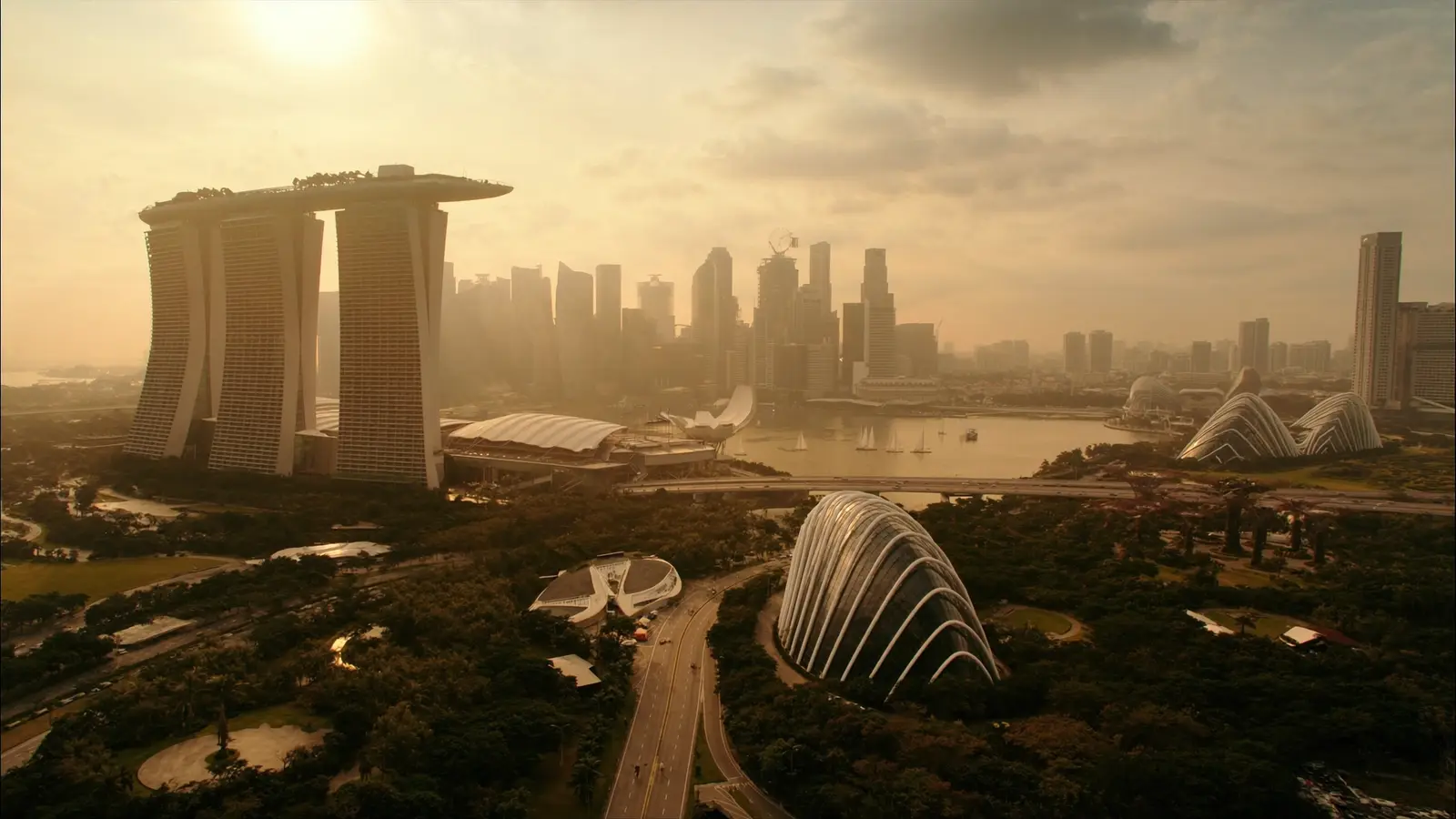
Futuristic luxury meets tropical serenity. AI-matched stays near Marina Bay and vibrant neighborhoods.
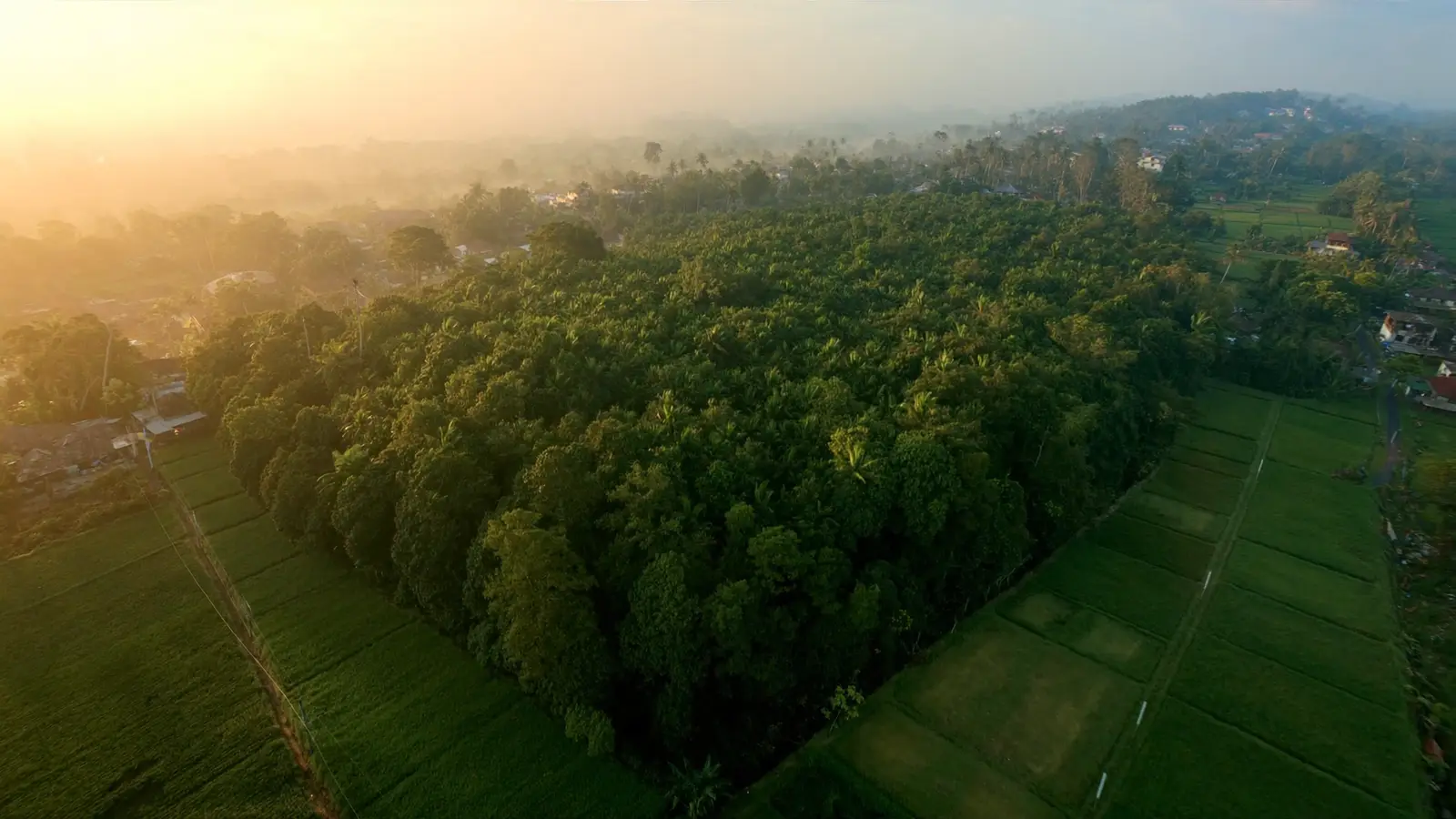
Cultural heart with rice terraces and wellness. AI-matched beautiful villas and boutique hotels.
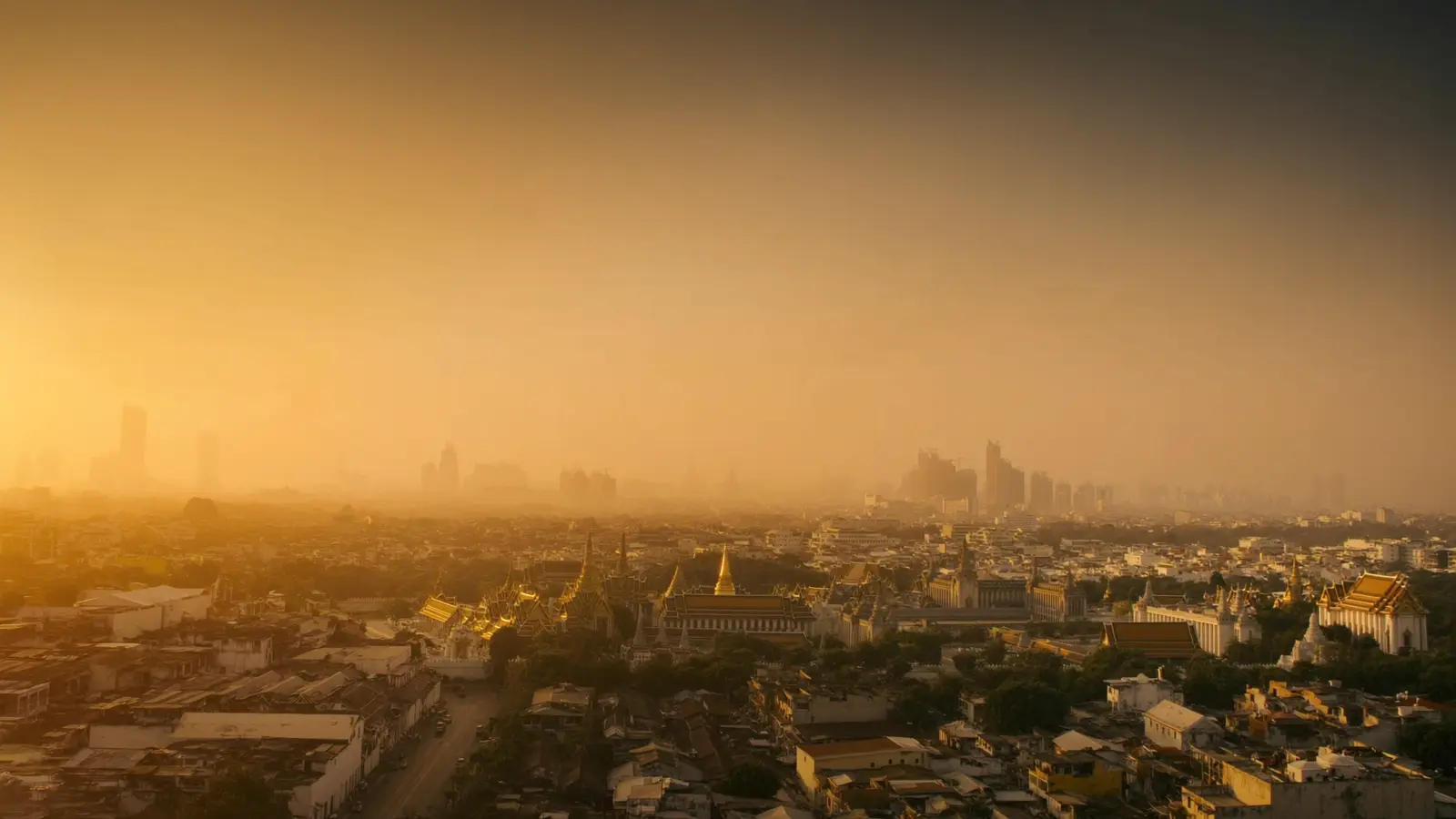
Temples, river life, and incredible food. AI-matched stays in Bangkok's best areas.