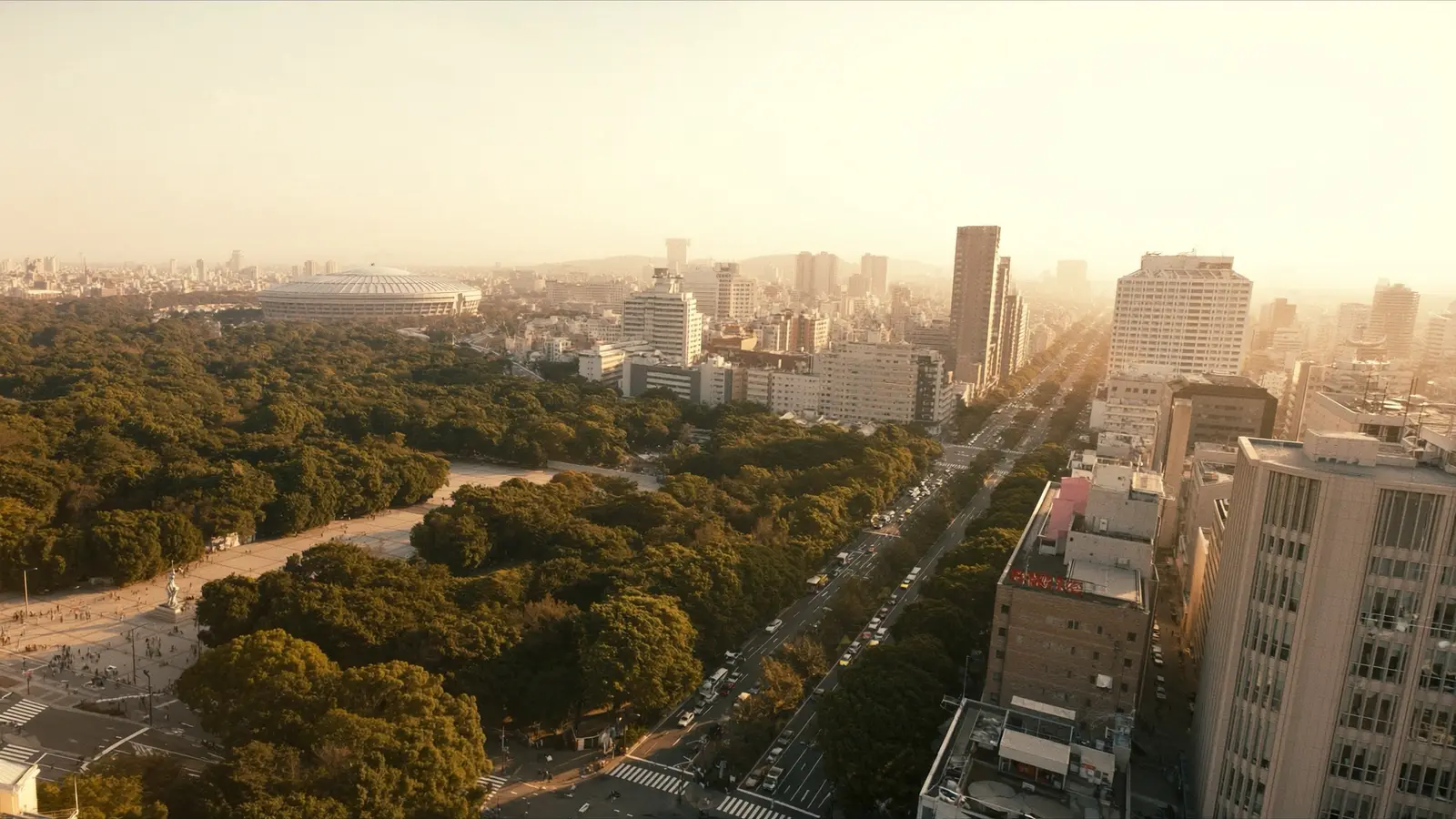
Luxury Hotels in Fukuoka,
perfectly yours.
Food paradise with beautiful parks. AI-matched stays near Ohori Park and Hakata.
Fukuoka moves at a friendlier pace than Tokyo or Osaka, a coastal Kyushu city where glass towers give way to steaming bowls of tonkotsu ramen at riverside yatai stalls. Spring brings cherry blossoms drifting over the moat at Ohori Park, while humid summer evenings pull locals outdoors for grilled skewers and cold beer along the Naka River. You feel the city's gateway spirit everywhere, close to Korea and China across the strait.
Locals split their time between Tenjin's department stores, Hakata's temple lanes, and the quiet green sprawl around Ohori Park, so your choice of neighborhood shapes the trip more than in most Japanese cities. Autumn maples color the old castle grounds, winter stays mild enough for evening strolls, and the compact subway lets you chase a festival, a museum, or a bowl of mentaiko rice without much planning at all.
Matched to the Fukuoka you actually want to experience.
ProAI Hotels reads Fukuoka's layout the way a local would: Hakata Station anchors the Shinkansen and subway lines on one side of the city, while Tenjin and Ohori Park sit a short ride west, closer to the castle ruins and the moat-side jogging paths. If your days center on a day trip to Dazaifu Tenmangu or a quick Shinkansen hop toward Nagasaki, our matching favors stays within walking distance of Hakata Station. Travelers chasing quieter mornings get pointed toward the streets near Ohori Park instead.
For shopping, yatai culture, and nightlife, the system weighs proximity to Tenjin's underground arcades and the Nakasu river district, where stalls open after dark along the water. Business travelers headed to conferences near Canal City or the port get matched with properties that keep the subway or a short taxi ride within easy reach, so a full day of meetings never turns into a long commute back across town.
Hotels near Fukuoka's iconic landmarks
These are the places that define Fukuoka. Here is how ProAI helps you experience them beautifully.
Ohori Park
Ohori Park is a sprawling public park built around a lake modeled on Hangzhou's West Lake, with a walking path that circles the water past teahouses and small bridges. Mornings bring joggers and tai chi groups, while evenings draw couples out for a slow lap as the sky colors over the water. Stay in the streets just east of the park for tree lined quiet that still puts Tenjin's shops within a fifteen minute walk.
Fukuoka Castle
The ruins of Fukuoka Castle sit on a hill directly beside Ohori Park, where stone walls and turret foundations are what remain of the feudal stronghold that once ruled the region. Cherry blossoms crowd the grounds each spring, making it one of the city's best free viewpoints over the moat and skyline. Choose a hotel along the park's eastern edge if you want to wander the ruins at sunrise before the crowds arrive.
Canal City
Canal City Hakata is a shopping and entertainment complex built around an artificial canal that runs through its open air plaza, with fountain shows, theaters, and a wide mix of restaurants under one roof. It sits roughly midway between Hakata Station and Nakasu, making it a natural stop between a Shinkansen arrival and an evening of riverside dining. Hotels within its immediate blocks suit travelers who want shopping and transit both a short walk from their room.
Dazaifu Tenmangu
Dazaifu Tenmangu is a Shinto shrine dedicated to the scholar Sugawara no Michizane, set among plum and cherry trees in the town of Dazaifu just outside central Fukuoka. Students visit to pray for exam success, and the approach lane is lined with shops selling the town's signature grilled rice cakes. Since it is a short Nishitetsu train ride from the city center, staying near Tenjin or Hakata Station keeps the round trip simple as a half day excursion.
Hakata Station
Hakata Station is the city's transit backbone, linking the Kyushu Shinkansen, JR lines, and the subway under one roof alongside a multi level complex of shops and restaurants. It is the natural base for travelers prioritizing day trips to Dazaifu, Nagasaki, or Kumamoto over a slower exploration of Fukuoka itself. Properties within its surrounding blocks trade a bit of neighborhood charm for the convenience of rolling a suitcase straight to the platform.
Where to stay in Fukuoka: best neighborhoods
Tenjin
Tenjin is Fukuoka's commercial core, a dense grid of department stores, underground shopping arcades, and rooftop bars stacked above the subway's busiest interchange. It suits travelers who want nightlife, shopping, and easy transit to the rest of the city without needing a taxi.
Hakata
Hakata, the ward around the Shinkansen station, mixes business hotels with older streets near Kushida Shrine, where the Hakata Gion Yamakasa festival begins each July. It works well for travelers prioritizing transit convenience or a quick onward trip to Nagasaki or Kumamoto.
Daimyo
Daimyo is a compact grid of narrow streets packed with boutique shops, coffee roasters, and small izakaya tucked between Tenjin and Ohori Park. It suits travelers who want a slower, design conscious pace within easy walking distance of both the park and the city's main shopping strip.
Let ProAI find your perfect Fukuoka hotel.
Tell us your dates and what matters most: landmark proximity, view, vibe, or budget. Our AI will curate the best options for you.
Plan the rest of your Fukuoka trip
Our concierge team can arrange every part of your stay near Ohori Park, not just the room.
Frequently asked questions about Fukuoka hotels
What is the best area to stay in Fukuoka?
When is the best time to visit Fukuoka?
How do I get to Dazaifu Tenmangu from central Fukuoka?
More in Asia
All destinations →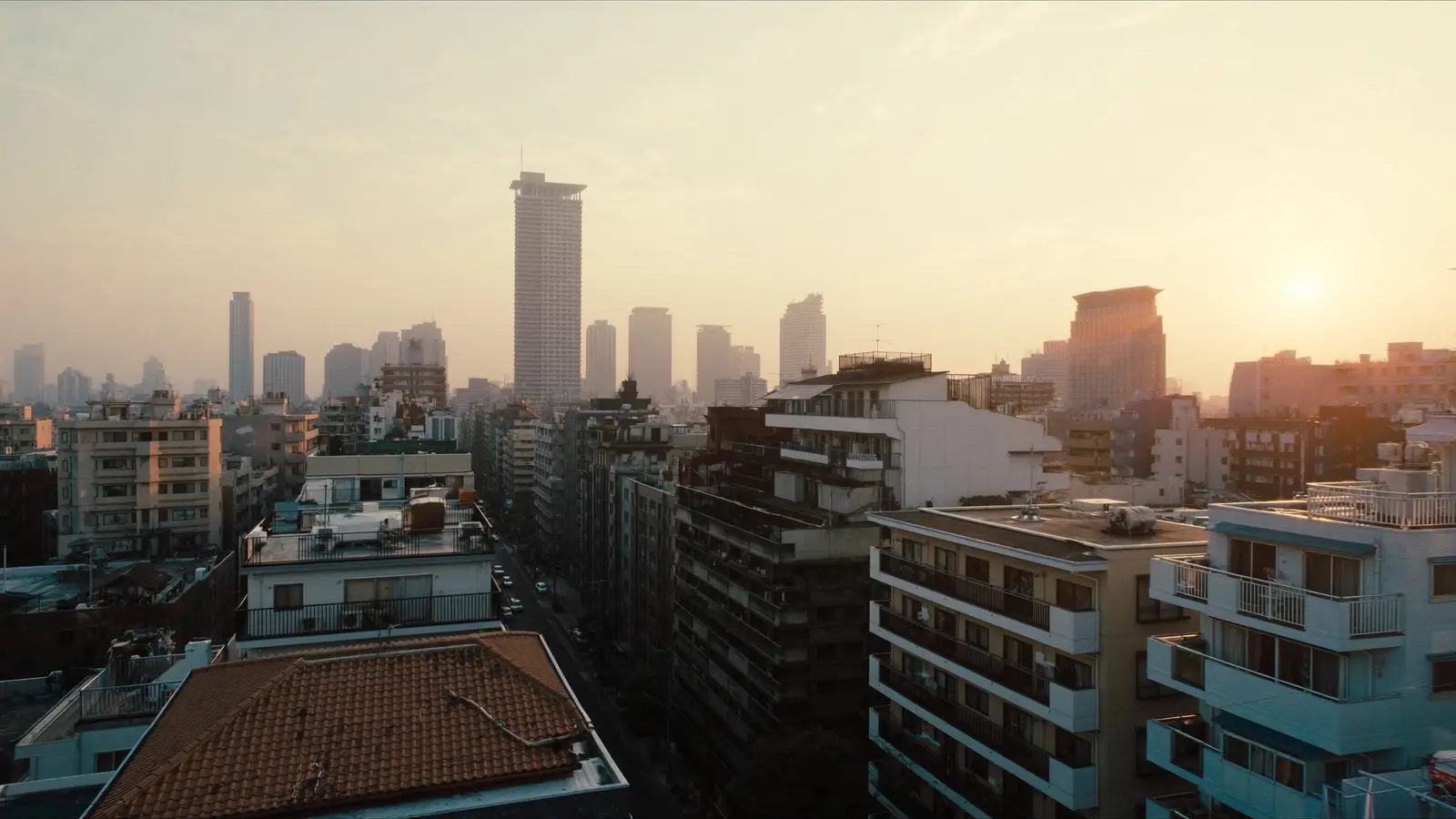
Where ancient temples meet futuristic energy, AI-matched stays in the neighborhoods you'll love.
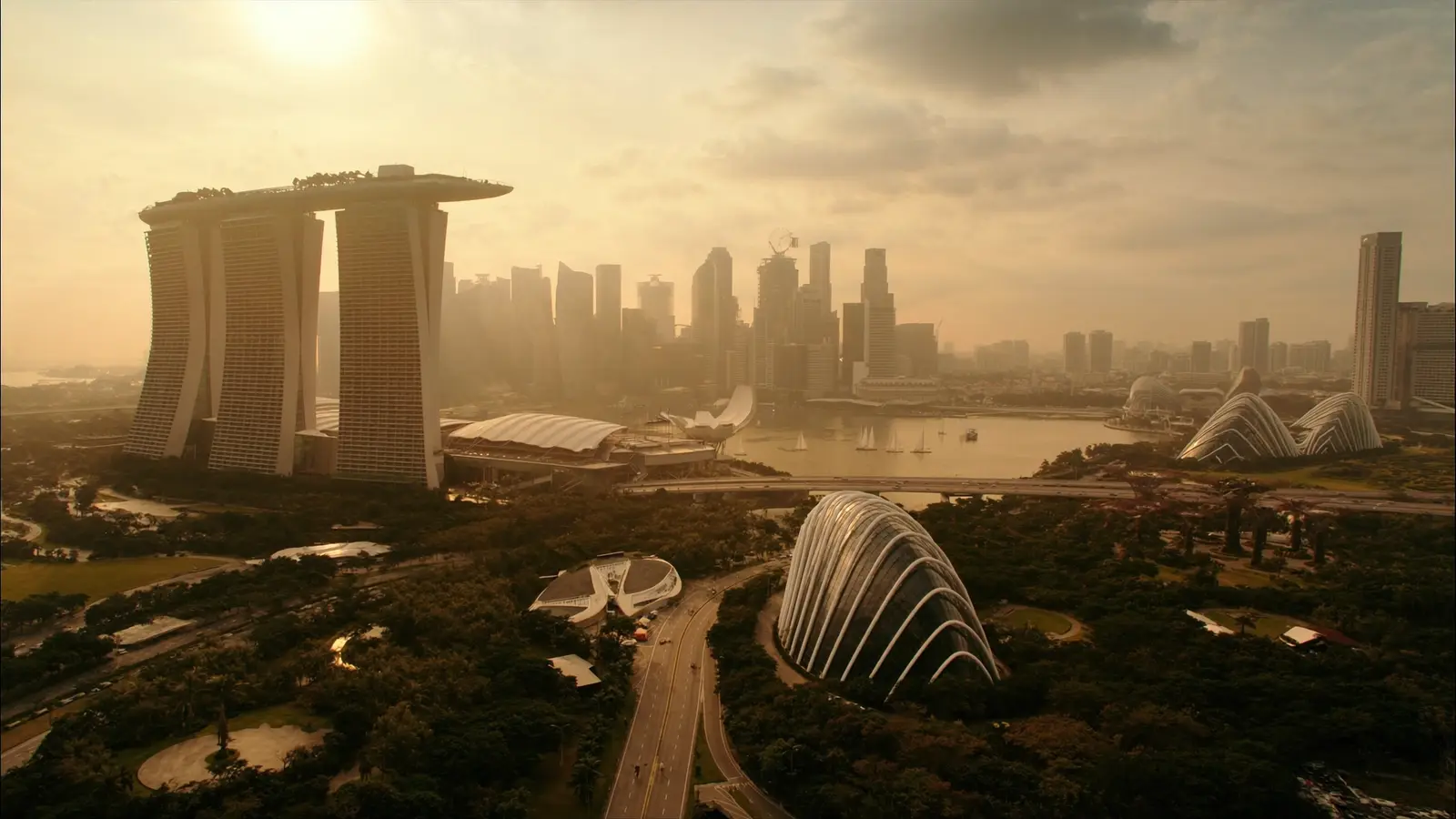
Futuristic luxury meets tropical serenity. AI-matched stays near Marina Bay and vibrant neighborhoods.
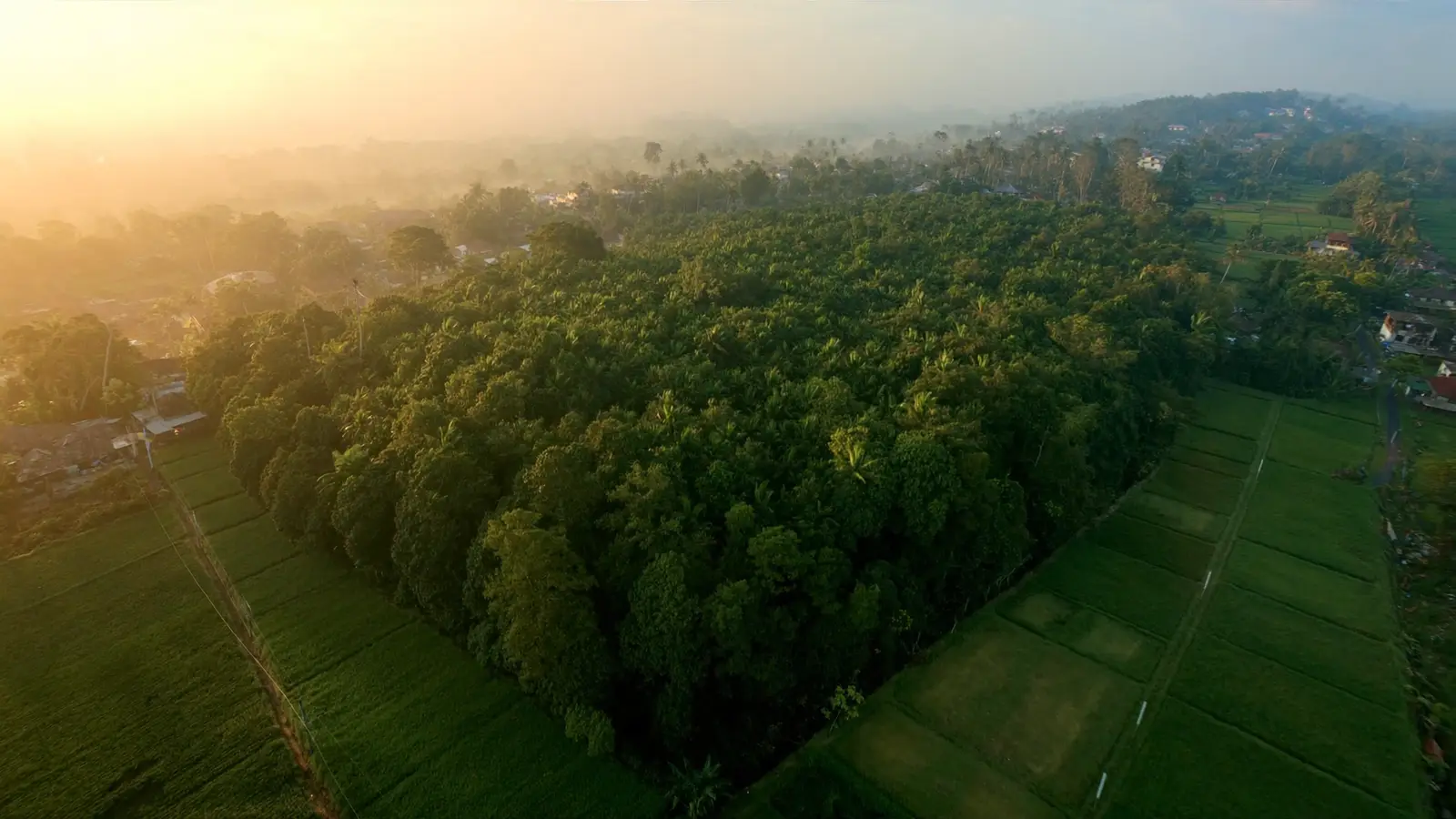
Cultural heart with rice terraces and wellness. AI-matched beautiful villas and boutique hotels.
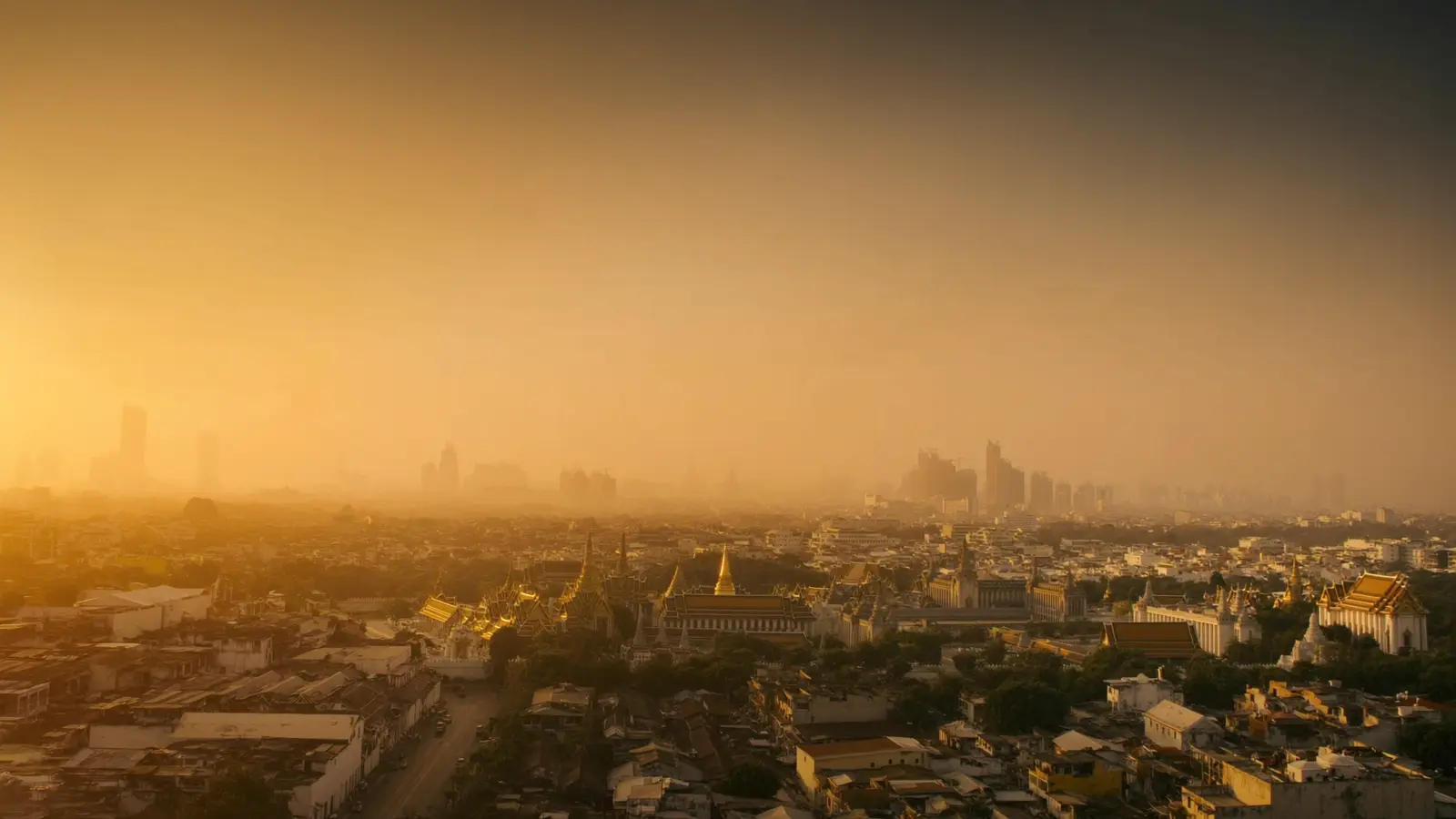
Temples, river life, and incredible food. AI-matched stays in Bangkok's best areas.