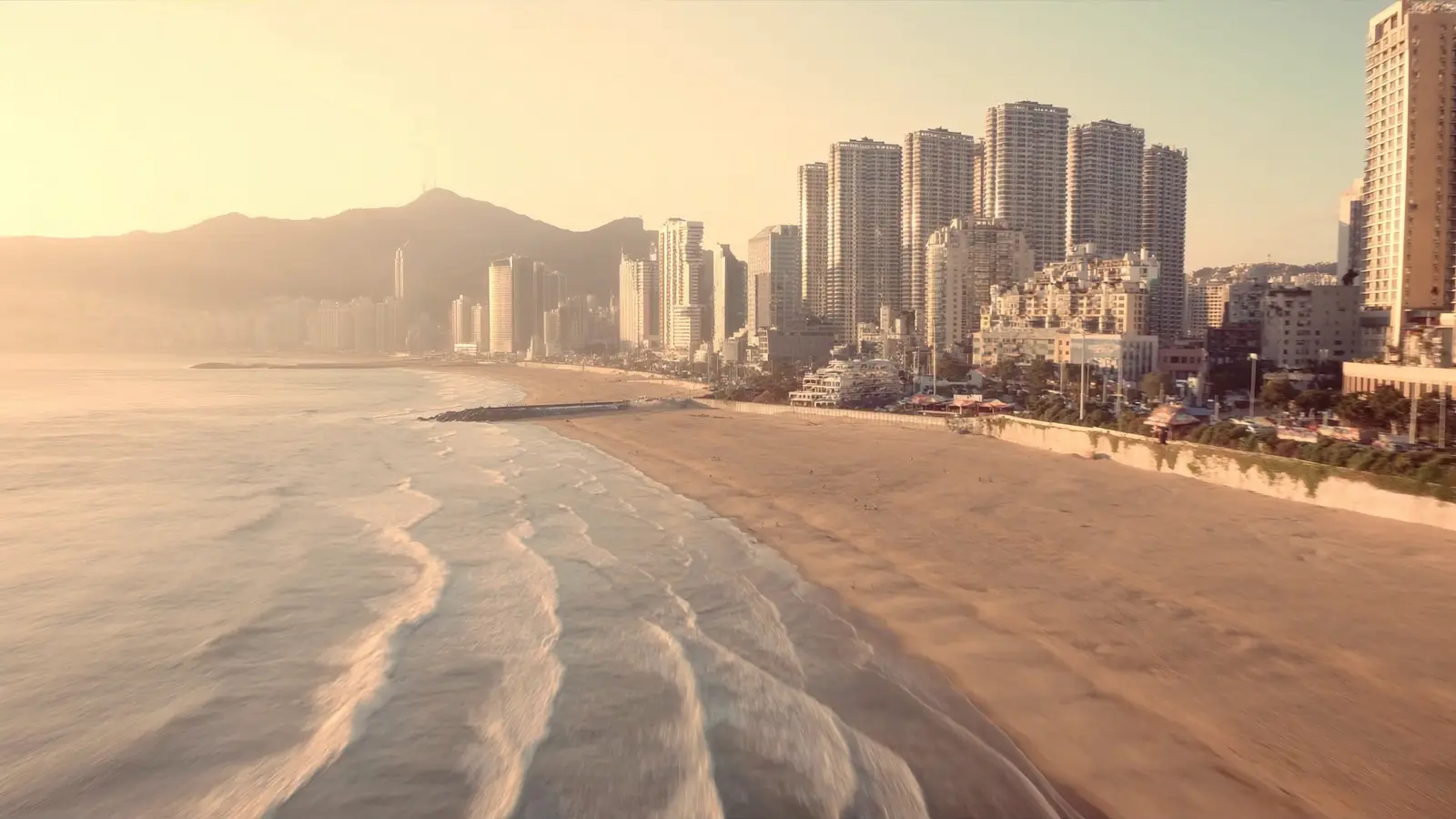
Luxury Hotels in Busan,
perfectly yours.
Beautiful beaches and incredible seafood. AI-matched luxury near Haeundae and Gwangalli.
Busan unfolds along a dramatic coastline where granite peaks drop straight into the sea, and the whole city seems to lean toward the water. You feel it walking from a hillside alley in Gamcheon down toward the harbor, past markets, temples, and high rise towers stacked against the mountainside. Summers bring warm ocean air and crowded beaches, while autumn cools into crisp weather perfect for the coastal walking trails.
This is Korea's second city but its own animal entirely: a working port, a film festival capital, and a beach town that never quite stops moving. Locals split their time between fish markets at dawn, rooftop cafes at sunset, and late night alleys full of grilled meat and soju. Busan rewards travelers who want ocean views and mountain trails within the same afternoon, wrapped in an energy that feels both relaxed and alive.
Matched to the Busan you actually want to experience.
Busan spreads across districts separated by mountains, rivers, and a long curving coastline, so where you sleep changes your trip more than in most cities. ProAI Hotels reads your itinerary against Busan's real geography: if you plan on sunrise walks along Haeundae Beach or a morning at Haedong Yonggungsa Temple, it steers you toward Haeundae rather than the downtown core, saving you a slow cross town Metro ride each way.
The matching also accounts for how differently Busan's neighborhoods behave after dark. A stay near Gwangalli Beach puts you inside the nightly view of the illuminated Gwangan Bridge and a strip of cafes and bars, while a base near Jagalchi Fish Market and Nampo-dong suits early risers chasing fresh sashimi and the older, denser streets around Busan Tower. ProAI weighs Metro access, walkability, and noise level alongside your planned landmarks, not just star ratings.
Hotels near Busan's iconic landmarks
These are the places that define Busan. Here is how ProAI helps you experience them beautifully.
Haeundae Beach
Haeundae is Busan's most famous stretch of sand, backed by a dense skyline of hotel towers, department stores, and a long beachfront promenade. Staying directly along Haeundae puts you steps from the beach and the Blueline Park coastal train, ideal if you want ocean views without renting a car. Visit in late spring or early autumn for warm water and noticeably thinner crowds than the peak summer season.
Gwangalli Beach
A shorter, quieter beach than Haeundae, Gwangalli is best known for its view of the Gwangan Bridge lit up in changing colors each night. The streets behind the beach are packed with rooftop bars and cafes, making it a strong pick for travelers who want nightlife within walking distance of the sand. Book a room on an upper floor facing the water if you can, since the bridge view after dark is the whole draw.
Jagalchi Fish Market
Korea's largest seafood market sits right on the harbor in old downtown Busan, with vendors calling out over tanks of live fish from before dawn. Staying nearby in Nampo-dong puts you within walking distance of Busan Tower and the BIFF Square street food alleys, though the area is louder and more commercial than the beach districts. Arrive early morning if you want to see the market at its most active, before the tour groups arrive.
Gamcheon Culture Village
Often called Korea's Santorini, this hillside neighborhood is a maze of pastel houses, narrow stairways, and small galleries built into a steep slope above the harbor. There are few hotels directly inside the village, so most travelers base themselves in nearby Seomyeon or downtown and treat Gamcheon as a half day walk, since the stairs and heat make it tiring to linger too long. Go in the late afternoon when the light softens and the tour buses have mostly cleared out.
Haedong Yonggungsa Temple
Unlike most Korean temples tucked into quiet mountains, Yonggungsa sits directly on rocks above the sea north of Haeundae, connected to the shore by a stone bridge. It works best as a morning trip from a Haeundae or Songjeong base, ideally right after sunrise when the temple is calm and the light over the water is at its best. There is no lodging on site, so plan it as a focused excursion rather than an overnight stay.
Where to stay in Busan: best neighborhoods
Haeundae
Busan's glossy resort district, lined with high rise hotels, department stores, and a wide sandy beach that anchors the whole area. It suits travelers who want convenience and comfort, since restaurants, the Metro, and the coastal Blueline train are all within a short walk. Best for first time visitors, families, and anyone who wants an easy base for beach days and day trips north to Songjeong or Yonggungsa Temple.
Seomyeon
Busan's central commercial hub, built around a sprawling underground shopping arcade and some of the city's densest nightlife. It sits at the crossing point of two Metro lines, making it a practical, if less scenic, base for reaching Gamcheon, Nampo-dong, and Haeundae with equal ease. Best for travelers who prioritize transit convenience and city energy over ocean views.
Nampo-dong
The old downtown core near the harbor, home to Jagalchi Market, BIFF Square, and Busan Tower, with narrow streets that feel older and more lived in than the beach districts. It suits travelers drawn to street food, markets, and a working port atmosphere rather than resort polish. Best for early risers, food focused travelers, and anyone connecting onward by ferry.
Let ProAI find your perfect Busan hotel.
Tell us your dates and what matters most: landmark proximity, view, vibe, or budget. Our AI will curate the best options for you.
Plan the rest of your Busan trip
Our concierge team can arrange every part of your stay near Haeundae Beach, not just the room.
Frequently asked questions about Busan hotels
Where is the best area to stay in Busan?
When is the best time to visit Busan?
How do you get around Busan and reach Haedong Yonggungsa Temple?
More in Asia
All destinations →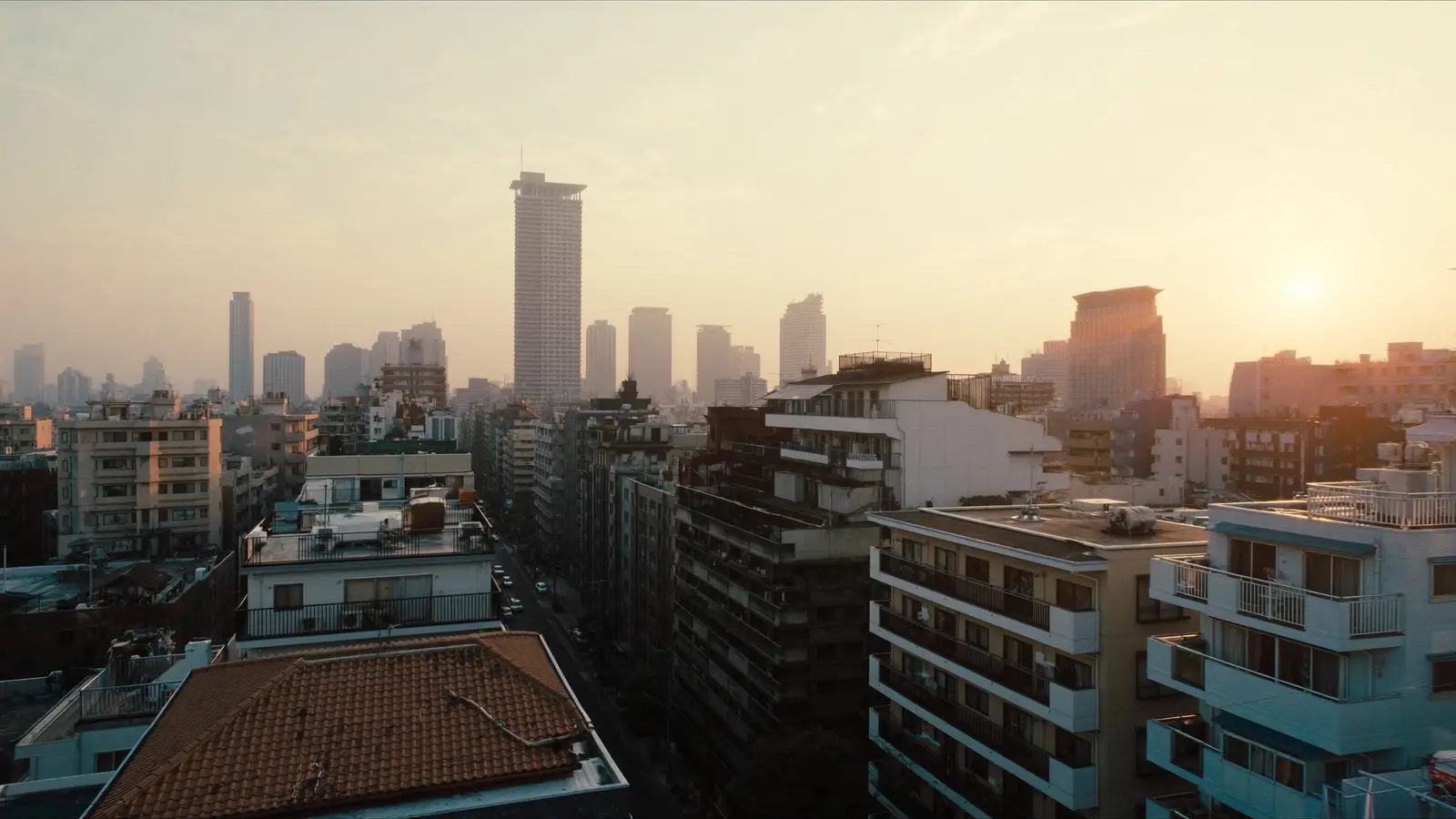
Where ancient temples meet futuristic energy, AI-matched stays in the neighborhoods you'll love.
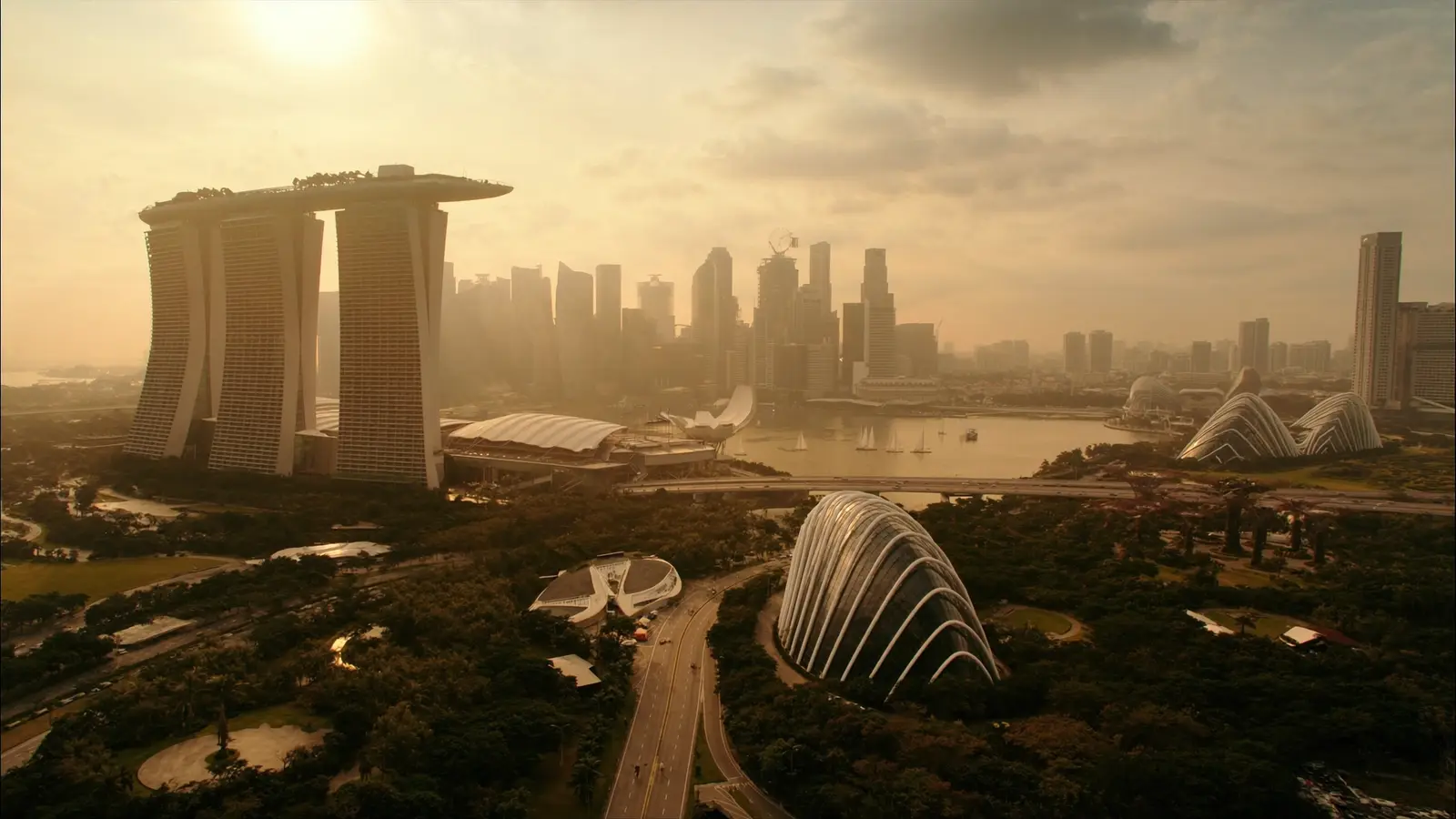
Futuristic luxury meets tropical serenity. AI-matched stays near Marina Bay and vibrant neighborhoods.
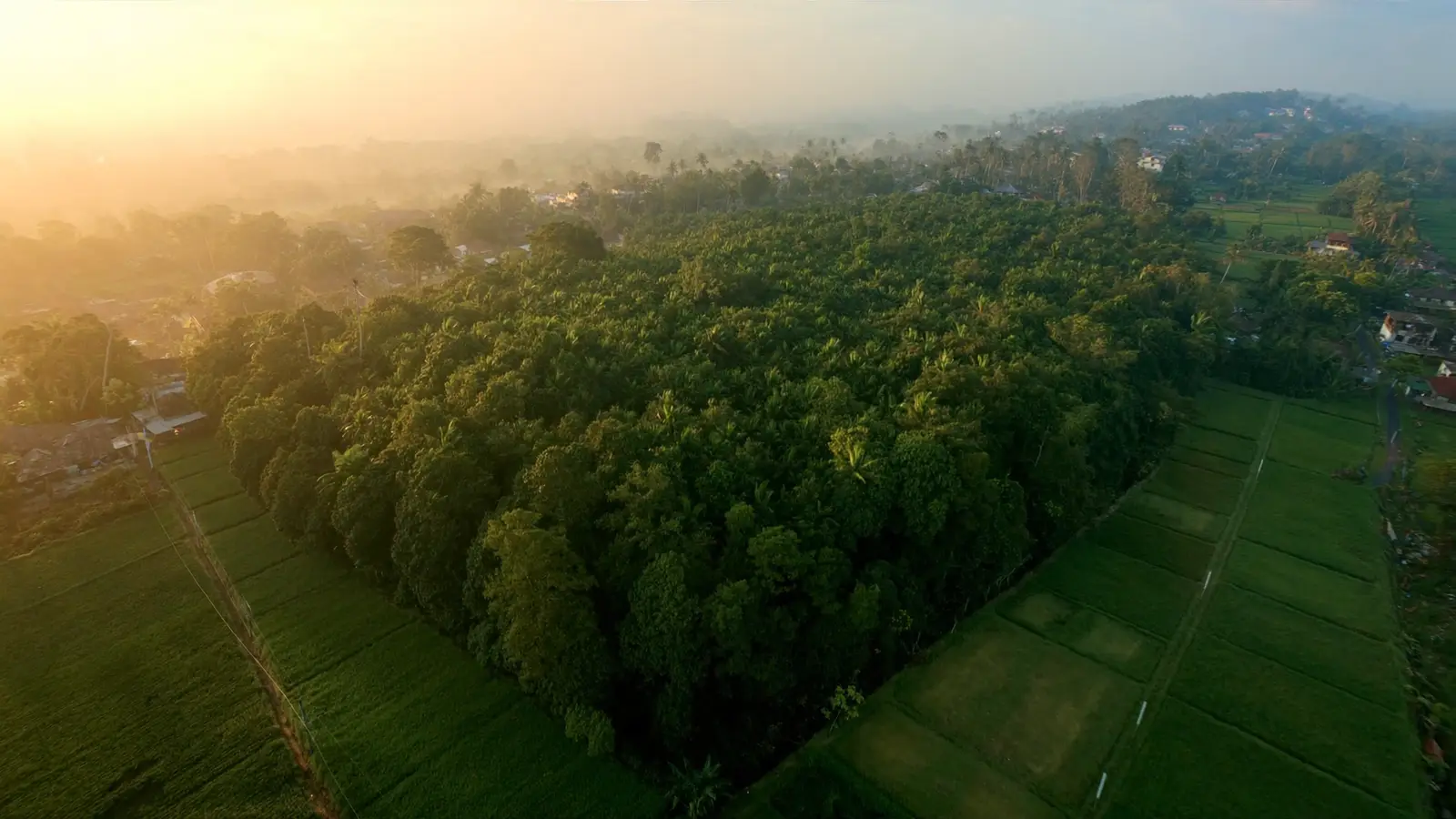
Cultural heart with rice terraces and wellness. AI-matched beautiful villas and boutique hotels.
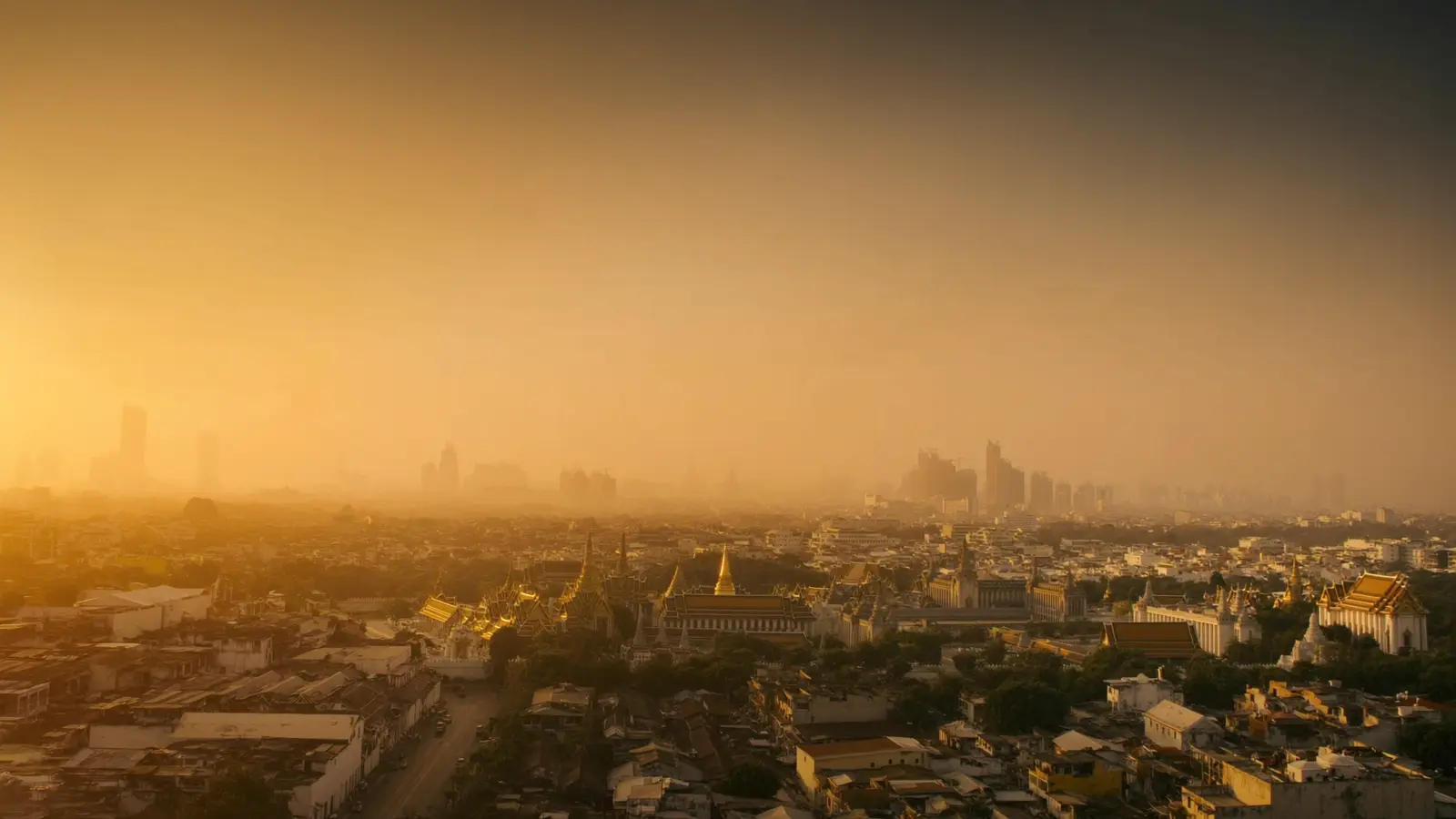
Temples, river life, and incredible food. AI-matched stays in Bangkok's best areas.