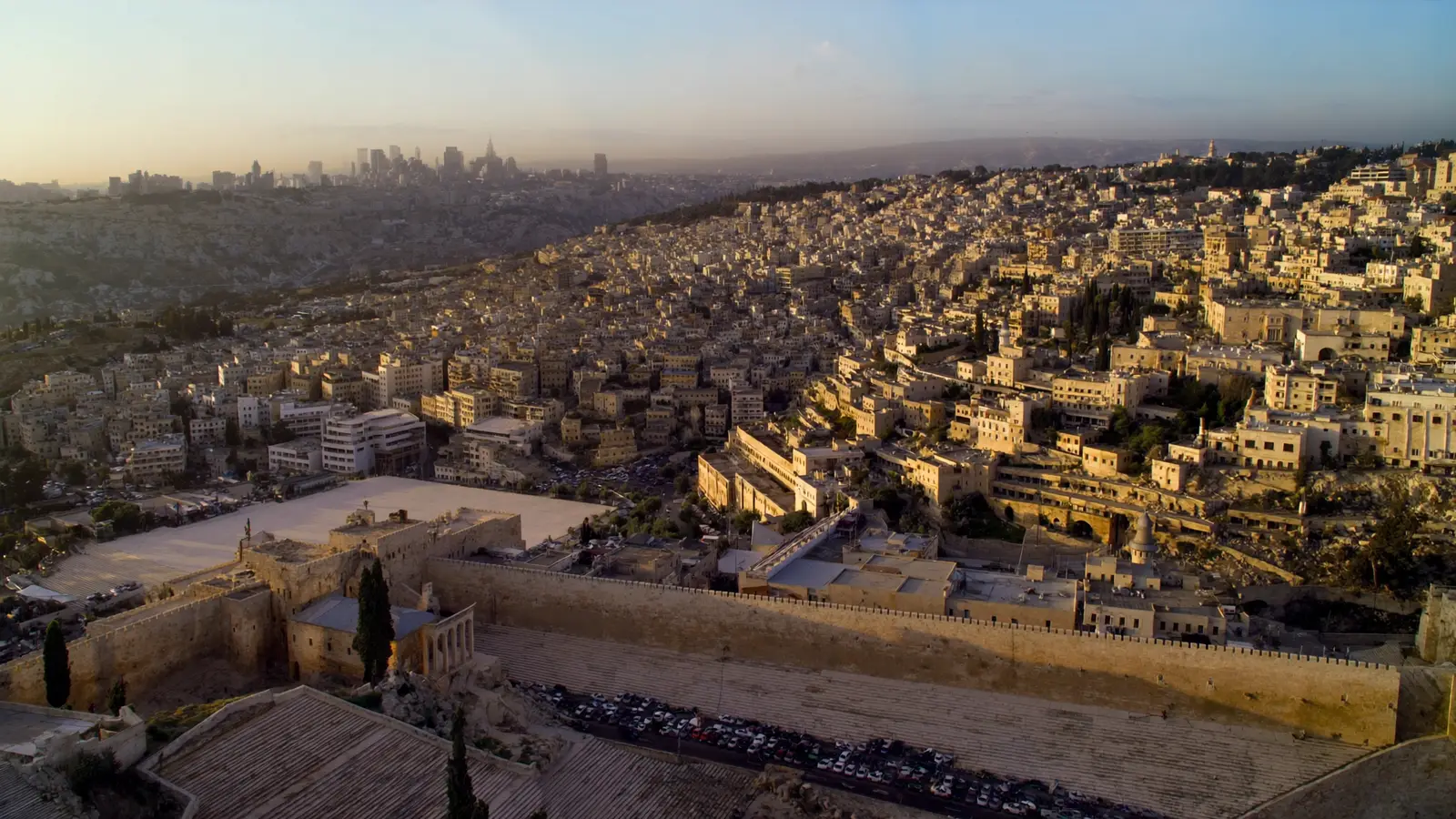
Luxury Hotels in Jerusalem,
perfectly yours.
Ancient spiritual heart. AI-matched stays near the Old City and Western Wall.
Jerusalem does not announce itself the way other capitals do. It reveals itself slowly, in honey-colored stone that catches fire at sunset, in church bells and the call to prayer overlapping across rooftops, in markets that have traded spices and silk for centuries. You feel the weight of history here, but also an unexpected lightness: sidewalk cafes, university energy, and a skyline still being written.
Seasons shape the visit. Spring and autumn bring clear skies and wildflowers in the Judean hills, while summer settles into dry heat and winter can surprise you with a rare dusting of snow on the Old City walls. Friday afternoon, the city downshifts for Shabbat: shops close, streets empty, and a hush settles over neighborhoods that were bustling an hour before. Plan around that rhythm and Jerusalem rewards you.
Matched to the Jerusalem you actually want to experience.
ProAI Hotels reads Jerusalem's geography before it reads reviews. The Old City is compact and largely pedestrian, so a stay just outside Jaffa Gate or in Mamilla puts the Western Wall, the Dome of the Rock, and the full length of the Via Dolorosa within an easy walk, without needing a taxi. Choose a property further out in the German Colony or Talbiya instead, and the calculation changes: quieter nights and leafy streets, traded for a short tram or taxi ride each morning into the walls.
Yad Vashem sits apart, on Mount Herzl in the western hills, connected to downtown by the Jerusalem Light Rail's red line, so ProAI weighs whether a traveler wants a single home base near that rail corridor or two shorter stays that split the ancient core from the modern west. Families visiting Yad Vashem and the government district often do better in a city center hotel near Jaffa Road, while pilgrims tracing the Via Dolorosa or visiting the Western Wall at dawn need to be inside or immediately adjacent to the Old City walls, before the gates fill with day trippers.
Hotels near Jerusalem's iconic landmarks
These are the places that define Jerusalem. Here is how ProAI helps you experience them beautifully.
Western Wall
The Western Wall is the last remaining retaining wall of the Second Temple's courtyard and the holiest site accessible for Jewish prayer, with a plaza that fills at dawn and again for Friday evening Shabbat. Stay in the Jewish Quarter or just outside Jaffa Gate if you want to reach the plaza on foot before sunrise, when the stone is quiet and the crowds have not yet arrived. Rooms with even a partial view of the plaza or the Temple Mount beyond are rare, so book well ahead if that outlook matters to you.
Old City
Walled and gated since Ottoman times, the Old City is divided into the Armenian, Christian, Jewish, and Muslim Quarters, each with its own rhythm, markets, and architecture packed into less than one square kilometer. A hotel or guesthouse within the walls, or just outside near Jaffa Gate or Mamilla, lets you slip in and out through the gates at odd hours and avoid the midday tour bus crush. Expect narrow stone lanes and stairs rather than car access, so pack light if you are staying inside.
Dome of the Rock
The gold dome crowning the Temple Mount, known also as Haram al Sharif, is one of the oldest surviving works of Islamic architecture and the view that defines most postcards of Jerusalem. You cannot book a room inside the compound itself, but a stay on the Mount of Olives or in the Jewish Quarter's higher lanes gives you that gold domed skyline from a rooftop terrace, particularly striking at sunset. Visiting hours for non-Muslim visitors are limited and change with the religious calendar, so confirm access before building a morning around it.
Via Dolorosa
Traditionally held to be the route Jesus walked toward his crucifixion, the Via Dolorosa winds through the Muslim and Christian Quarters past its fourteen Stations of the Cross, ending at the Church of the Holy Sepulchre. Pilgrims who want to walk it at first light, before shopkeepers open their stalls, do best staying inside the Old City or steps from Damascus Gate. The route is entirely on foot over uneven stone, so comfortable shoes matter more than proximity in this case.
Yad Vashem
Israel's Holocaust memorial and museum sits on Mount Herzl in the wooded western hills, a deliberately reflective site set apart from the density of the Old City. It is best reached by the Jerusalem Light Rail or a short taxi ride, so a base anywhere along the tram's red line, from the city center to Mount Herzl itself, keeps the journey simple. Plan a half day for the visit and choose a hotel with a calm evening return in mind, since most travelers arrive here emotionally worn.
Where to stay in Jerusalem: best neighborhoods
Mamilla
Mamilla is Jerusalem's polished, pedestrian shopping boulevard running from Jaffa Gate down toward the city center, lined with international boutiques, restaurants, and some of the city's newest hotels. It suits travelers who want walking distance to the Old City without sacrificing modern comfort, valet parking, or an evening restaurant scene. Expect a more cosmopolitan, less local feel than the neighborhoods around it.
German Colony
Built by Templer settlers in the nineteenth century, the German Colony is now a leafy strip of restored stone houses along Emek Refaim Street, filled with cafes, boutiques, and a mostly secular, family friendly crowd. It suits travelers who want a residential, tree lined base with easy light rail or taxi access into the Old City rather than round the clock proximity to it. Weekend mornings here feel more like a European village than a capital city.
Yemin Moshe
Set on a hillside facing the Old City walls across the Hinnom Valley, Yemin Moshe was Jerusalem's first neighborhood built outside the walls, its red roofed cottages arranged around the landmark Montefiore Windmill. It suits travelers who want postcard views of the ramparts and a quiet, almost village like base, still an easy walk into the city center and the Old City gates. Steep lanes and stairs mean it favors travelers comfortable with some uphill walking.
Let ProAI find your perfect Jerusalem hotel.
Tell us your dates and what matters most: landmark proximity, view, vibe, or budget. Our AI will curate the best options for you.
Plan the rest of your Jerusalem trip
Our concierge team can arrange every part of your stay near Western Wall, not just the room.
Frequently asked questions about Jerusalem hotels
What is the best area to stay in Jerusalem?
When is the best time to visit Jerusalem?
How do you get around Jerusalem, and does it matter for visiting the Western Wall?
More in Middle East
All destinations →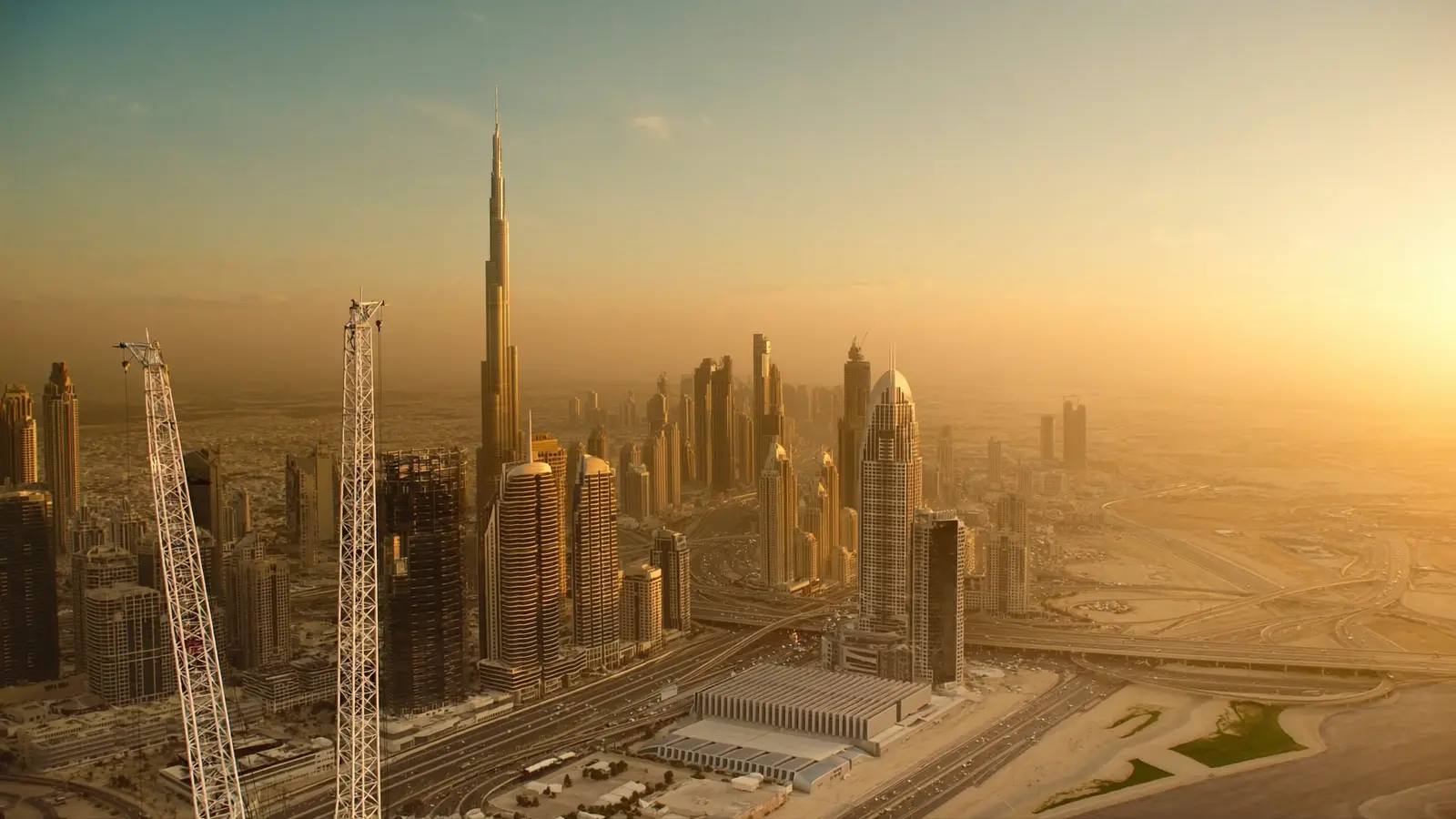
Futuristic luxury on the desert edge. Iconic views and world-class resorts matched to your style.
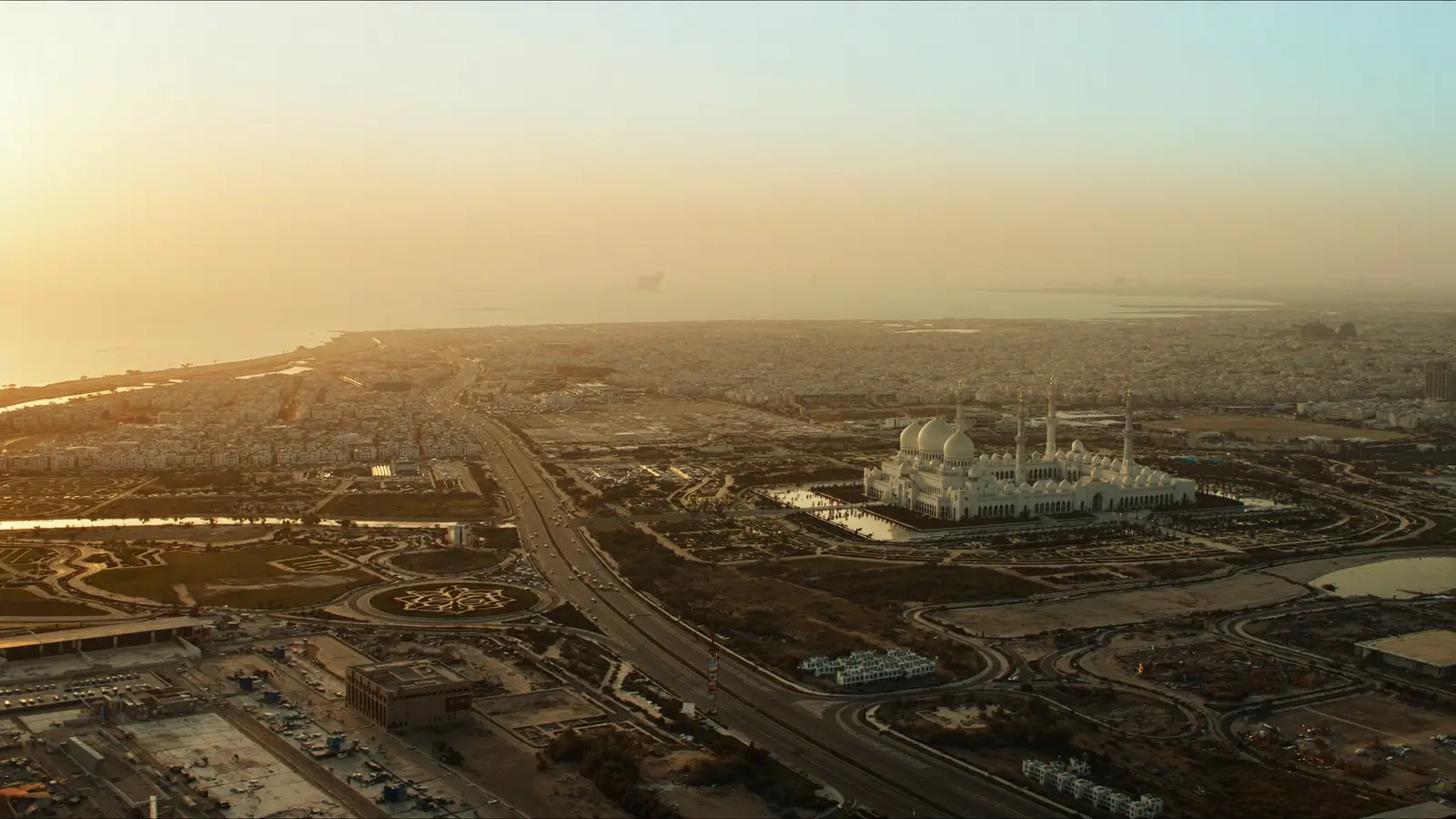
Cultural depth and luxury. AI-matched stays near Sheikh Zayed Grand Mosque.
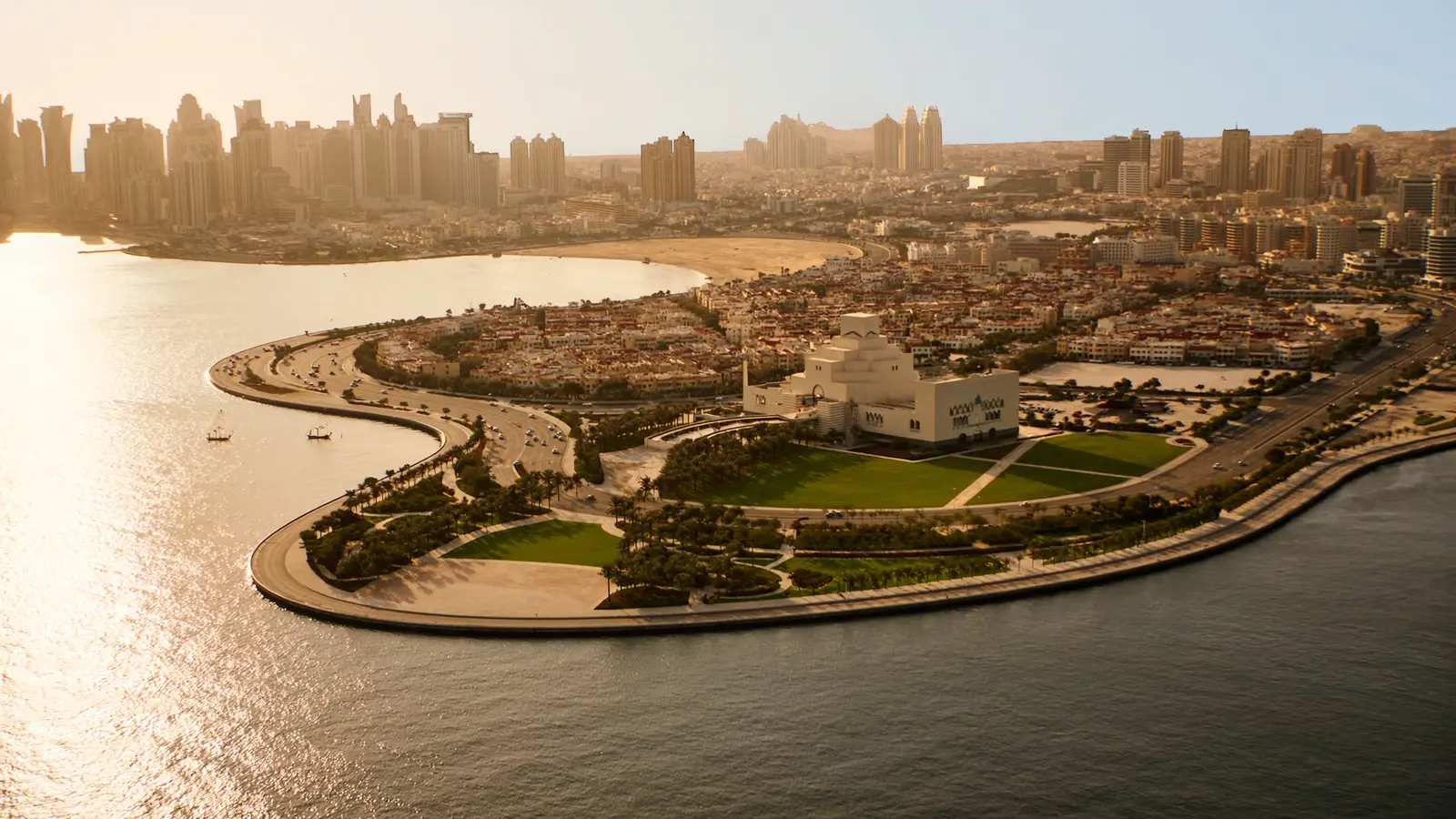
Modern architecture and rich culture. AI-matched luxury near the Museum of Islamic Art.
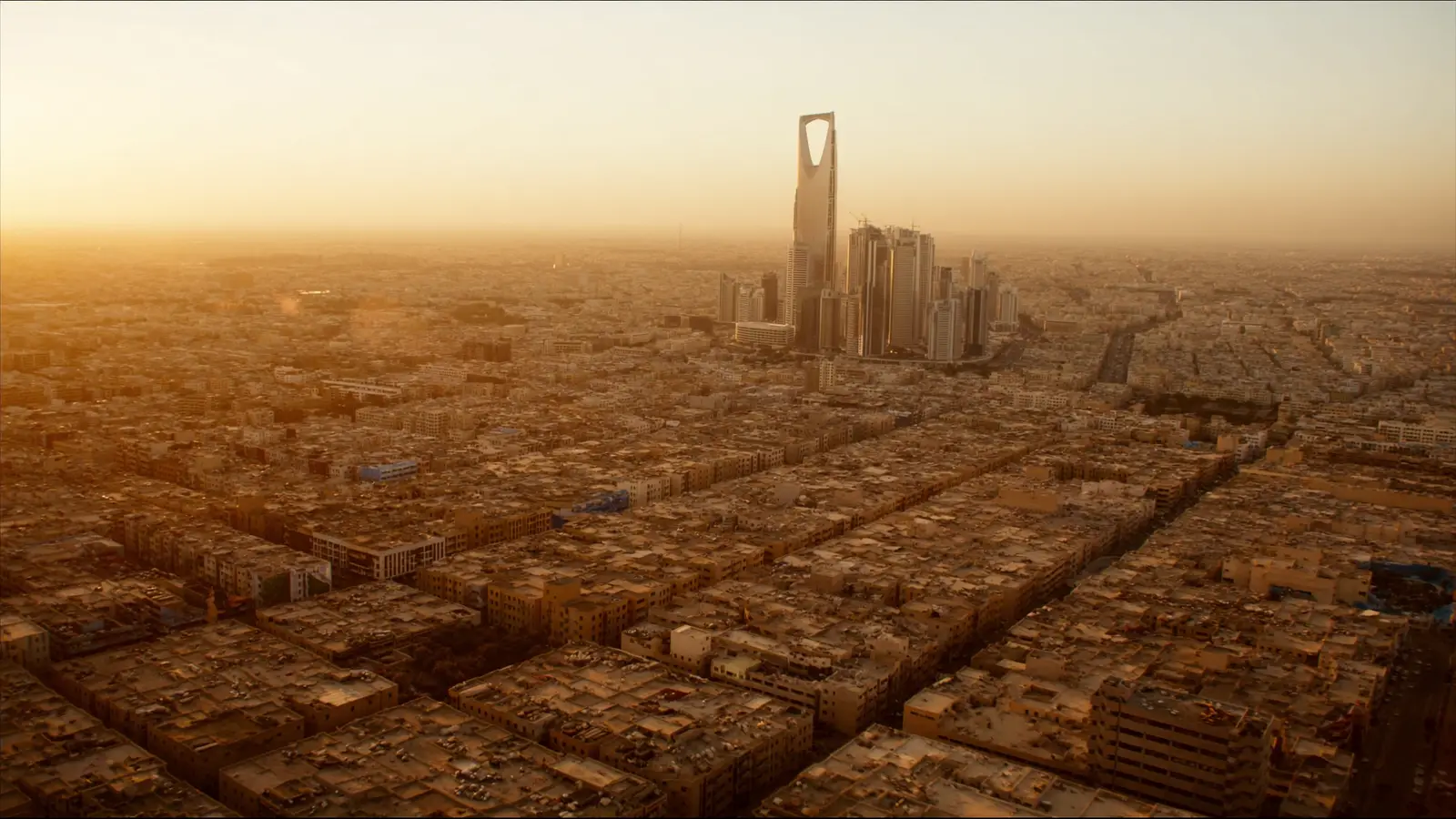
Rapid transformation and new icons. AI-matched modern luxury in Riyadh.